







It's not just a cosmetic problem to have rotten teeth. If not treated, they can cause pain, infection, tooth loss, and even health problems throughout the body. Many people don't pay attention to early signs, thinking that mild tooth sensitivity or discolouration isn't a big deal. But tooth decay happens slowly, and getting help early can save your teeth and your health in general.
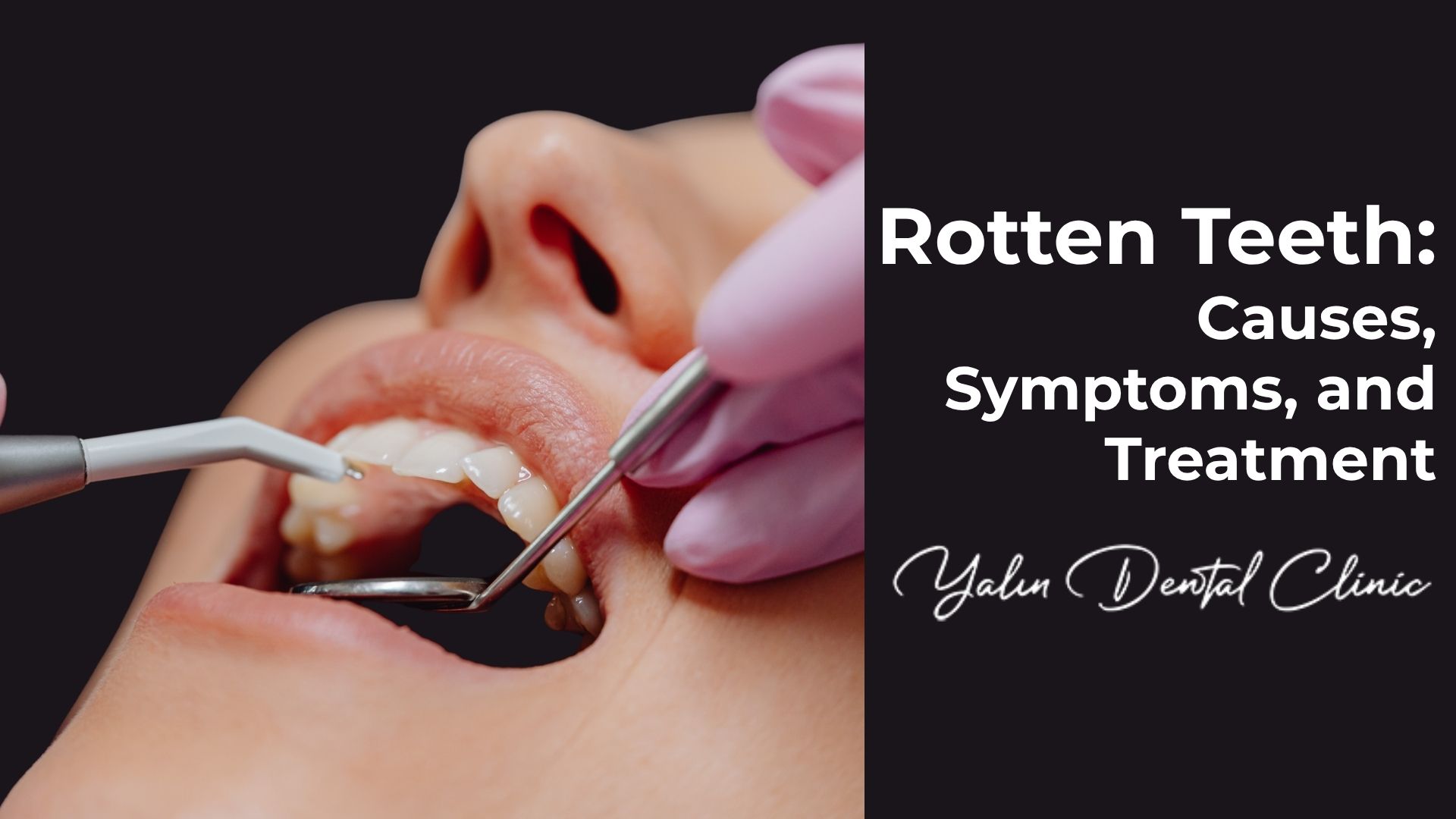
This guide will teach you everything you need to know about rotten teeth symptoms, causes, treatment options, and prevention methods so you can keep your smile and avoid problems in the future.
What are rotten teeth?
When teeth are very damaged by tooth decay, bacterial infection, or structural breakdown, they are said to be rotten. This happens when bad bacteria in the mouth make acids that eat away at tooth enamel and slowly break down the tooth structure.
If you don't treat it, decay moves through several layers:
- Enamel (the layer that protects the outside)
- Dentin (the middle layer)
- Pulp (the inner nerve and blood supply)
- The root and the bone around it
Infection and severe pain usually set in once decay reaches the inner pulp.
Anyone can have rotten teeth, even adults, teenagers, and kids, especially if they don't brush their teeth well or go to the dentist on time.
Symptoms of Rotten Teeth
It's very important to notice early signs of dental problems to avoid them getting worse. Rotten teeth usually get worse over time, and the symptoms get worse too.
Early Symptoms
You might notice the following in the early stages:
- Teeth that hurt when you eat hot or cold foods
- A little pain when chewing
- Spots on teeth that are white, brown, or black
- A little bad breath
- Slight irritation of the gums
People often ignore these early signs, but they mean that tooth decay has already begun.
Advanced Symptoms
As decay gets worse, symptoms become more obvious:
- Toothache that won't go away
- Holes or cavities that can be seen in teeth
- A dark brown or black spot
- Swelling around the tooth that hurts
- A bad taste in the mouth
- More sensitive teeth
At this point, dental care is even more important for stopping an infection.
Severe Symptoms
In more serious cases, rotten teeth can lead to:
- Pain that is very bad and throbbing
- Swelling of the face
- Formation of pus or gum abscess
- Fever (in very bad infections)
- Trouble chewing or biting
- Teeth that are loose
Severe symptoms mean an infection, which needs immediate dental care.
What causes rotten teeth?
There are several things that can cause teeth to rot and decay. Knowing what causes these issues can help you avoid them in the future.
Poor oral hygiene
Not brushing and flossing enough is the most common cause. When plaque builds up, bacteria make acids that hurt the enamel on teeth.
Consumption of high sugar
Eating and drinking sugary foods and drinks often raises the risk of tooth decay. Sugars feed bacteria, which speeds up the damage to enamel.
Some foods that are often high-risk are:
- Drinks with sugar
- Sweets and candy
- Foods that stick
- Carbohydrates that have been processed
Dry Mouth
Saliva protects teeth by washing away bacteria and neutralising acids. Less saliva makes it more likely that things will rot.
A dry mouth can happen because of the following:
- Drugs
- Smoking
- Health problems
- Not enough water
Poor Diet
Not getting enough calcium and vitamin D makes teeth weaker and more likely to rot.
Smoking and Alcohol
Smoking makes it harder for blood to flow to the gums, which hurts oral health. Drinking alcohol can also make your mouth dry and raise your risk of decay.
Delayed Dental Visits
Regular visits to the dentist help find problems early. Skipping the dentist lets decay worsen unnoticed.
Stages of Rotten Teeth
Tooth decay happens in stages over time:
Stage 1: Damage to the enamel
There are white or brown spots on the teeth. Not in pain yet.
Stage 2: Dentin Decay
Decay goes deeper, making things a little sensitive.
Stage 3: Infection of the Pulp
Bacteria get to the nerve in the tooth, which hurts and swells.
Stage 4: The Formation of an Abscess
There is a serious infection around the roots of the teeth.
Stage 5: Losing a Tooth
The tooth is badly damaged and may need to be pulled.
Treatment early on stops the disease from getting worse.
Treatments for Rotten Teeth
The level of decay will determine the treatment. Dentists check the health of the teeth and suggest the best course of action.
Dental Fillings
If decay is found early, dental fillings are used to fix the area that is damaged. The part that is decayed is taken out, and the tooth is filled with a composite material.
Best for:- Tiny tooth holes
- Early decay
Dental Crowns
A dental crown is put over a tooth that is badly damaged but can still be saved.
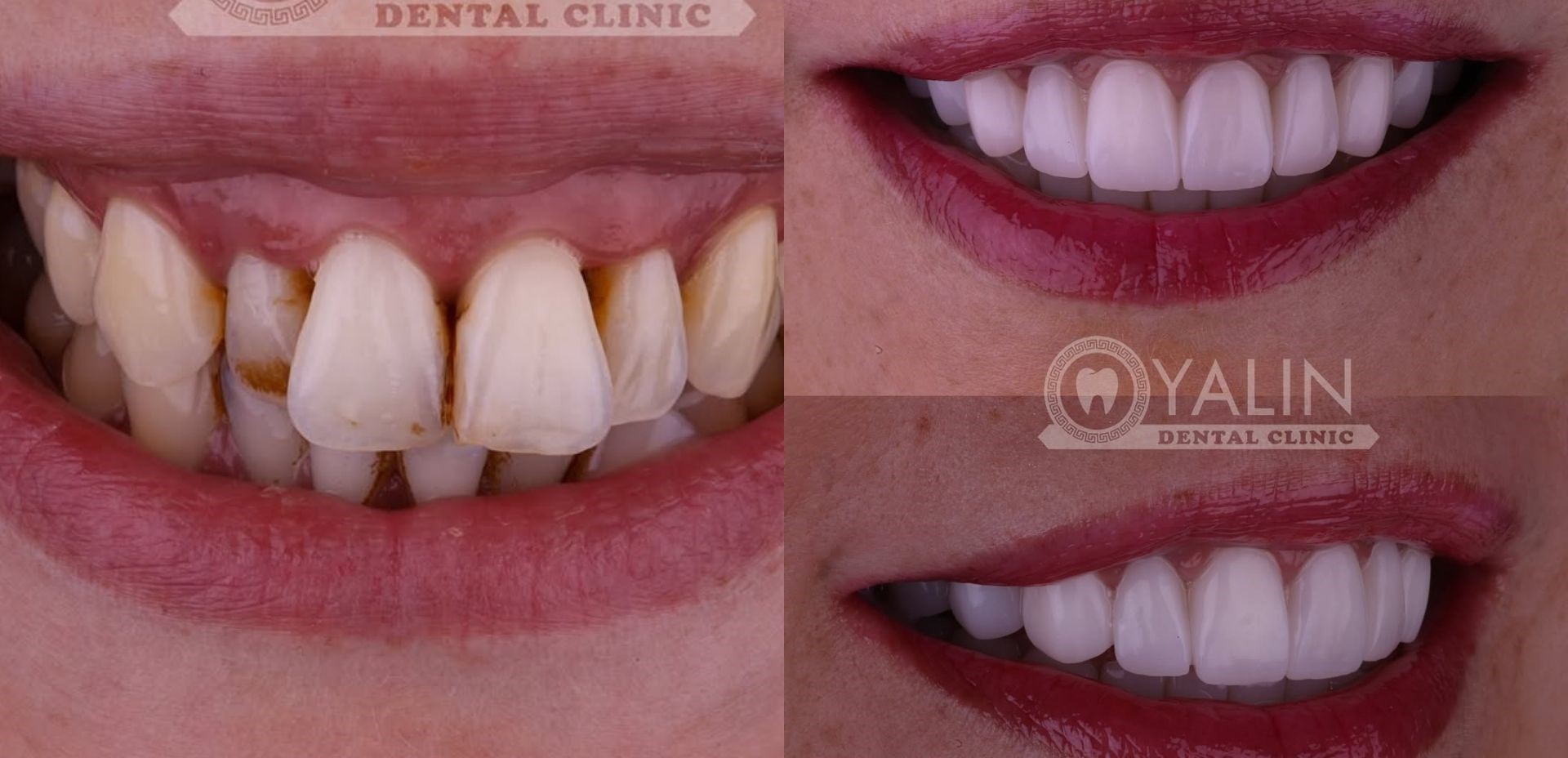
- Get stronger again.
- Make teeth look better.
After a root canal, people often get dental crowns.
Root Canal Treatment
If an infection gets to the tooth pulp, you need root canal treatment. During this process:
- The tissue that is infected is taken out.
- Tooth is cleaned and disinfected.
- The tooth is sealed and fixed.
Root canal treatment keeps natural teeth and prevents tooth extraction.
Tooth Extraction
If the tooth can't be saved, tooth extraction is the only treatment option.
After extraction, you have the following options for replacement:
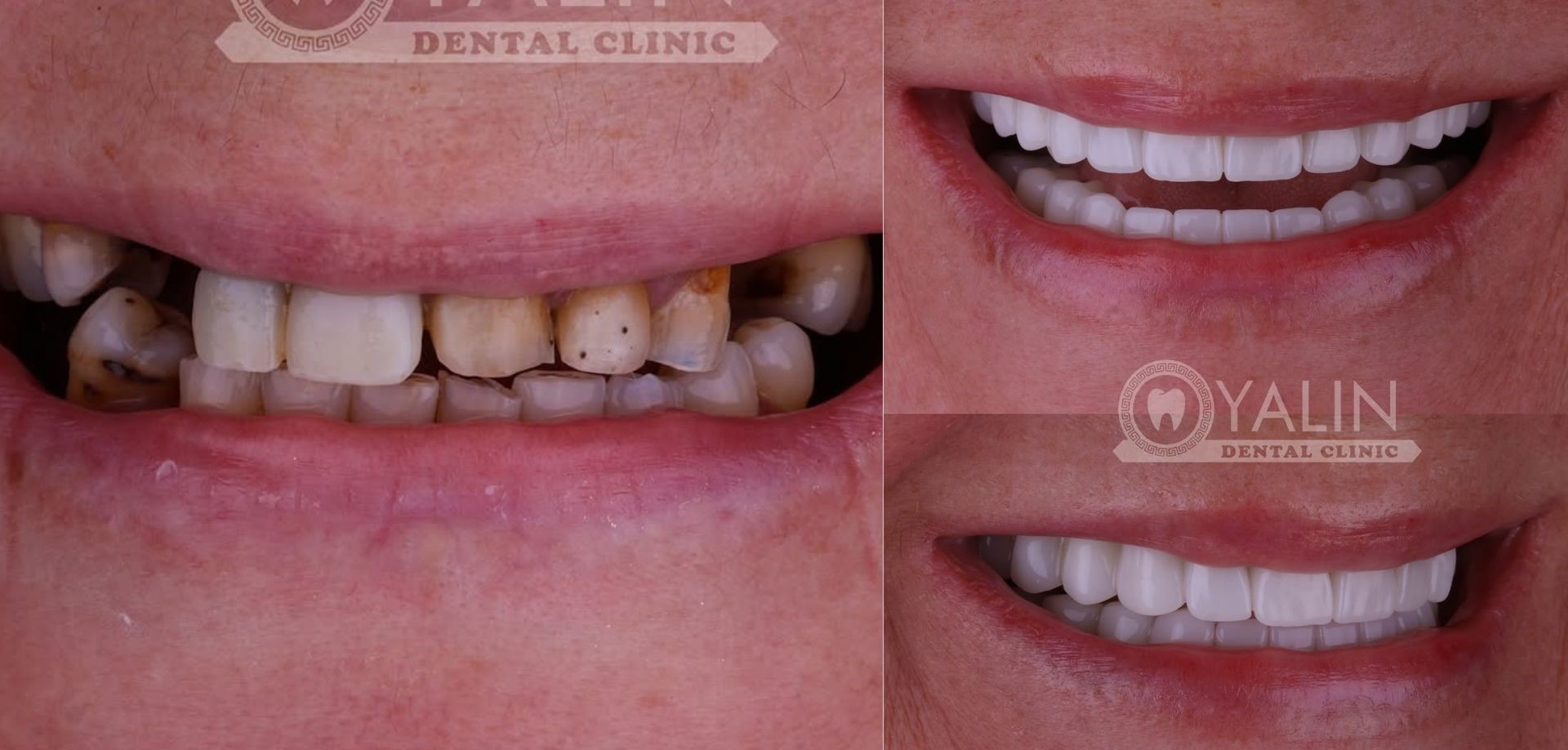
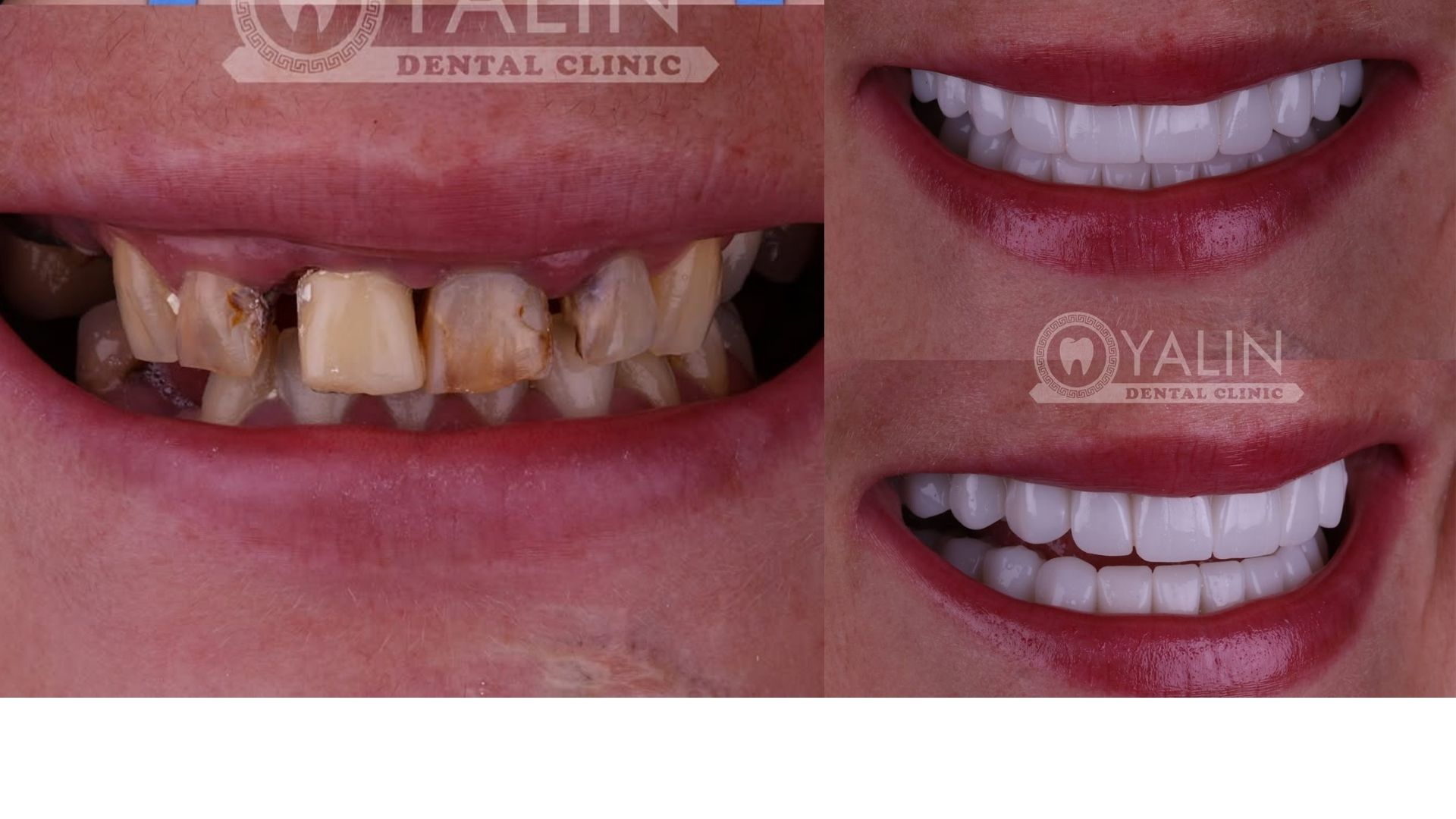
- Dental bridges
- Dentures
Dental implants are generally chosen for the most long-term solution treatments.
Can you fix rotten teeth?
Sometimes, you can fix early-stage decay by:
- Treatments with fluoride
- Better oral hygiene
- Changes to the diet
- Professional teeth cleaning
But once cavities form, you need to see a dentist.
What happens if you don't get your rotten teeth fixed?
If you don't take care of your rotten teeth, you could have serious problems:
- Tooth loss
- Gum disease
- Bone loss
- The formation of an abscess
- Infection spreading to other areas
- Difficulty eating
- Speech problems
In very rare cases, severe infections can have an effect on overall health.
How to prevent rotten teeth
It's always easier to prevent something than to treat it. You can keep your teeth healthy with simple habits.
Daily Oral Hygiene
- Brush your teeth twice a day
- Brush your teeth with fluoride toothpaste
- Use floss every day
- Use mouthwash if your dentist recommends
Healthy Diet
Limit:
- Sugary foods
- Acidic drinks
- Sticky snacks
Increase:
- Dairy products
- Vegetables
- Water consumption
Regular Dental Visits
Every six months, go to the dentist for a teeth cleaning and check-up.
Avoid Smoking
Smoking makes teeth rotten faster and slows down healing.
When to see a dentist?
If you have any of the following, you should see a dentist:
- Tooth pain
- Sensitivity
- Bad breath
- Gum swelling
- Tooth discoloration
Early treatment decreases the risks.
Rotten teeth are a common but serious dental problem that you should never ignore. The first signs of decay may not seem like a big deal, but if you don't treat it, it can lead to infection, tooth loss, and problems that last a long time. Modern dentistry offers good treatments like fillings, crowns, root canal therapy, and dental implants, which is a good thing.
The best ways to keep your teeth healthy and your smile looking good are to brush and floss regularly, cut back on sugar, and see the dentist on a regular basis.
If you think your teeth might be rotten, getting professional dental advice as soon as possible can help you keep your natural teeth and avoid more complicated treatments later on.
Note
- Before and after images were taken in the same clinical environment and under the same technical conditions.
- Written and explicit patient consent has been obtained.
- This content is shared for informational purposes only.
- Results may vary from person to person.
Please contact us for more information.