







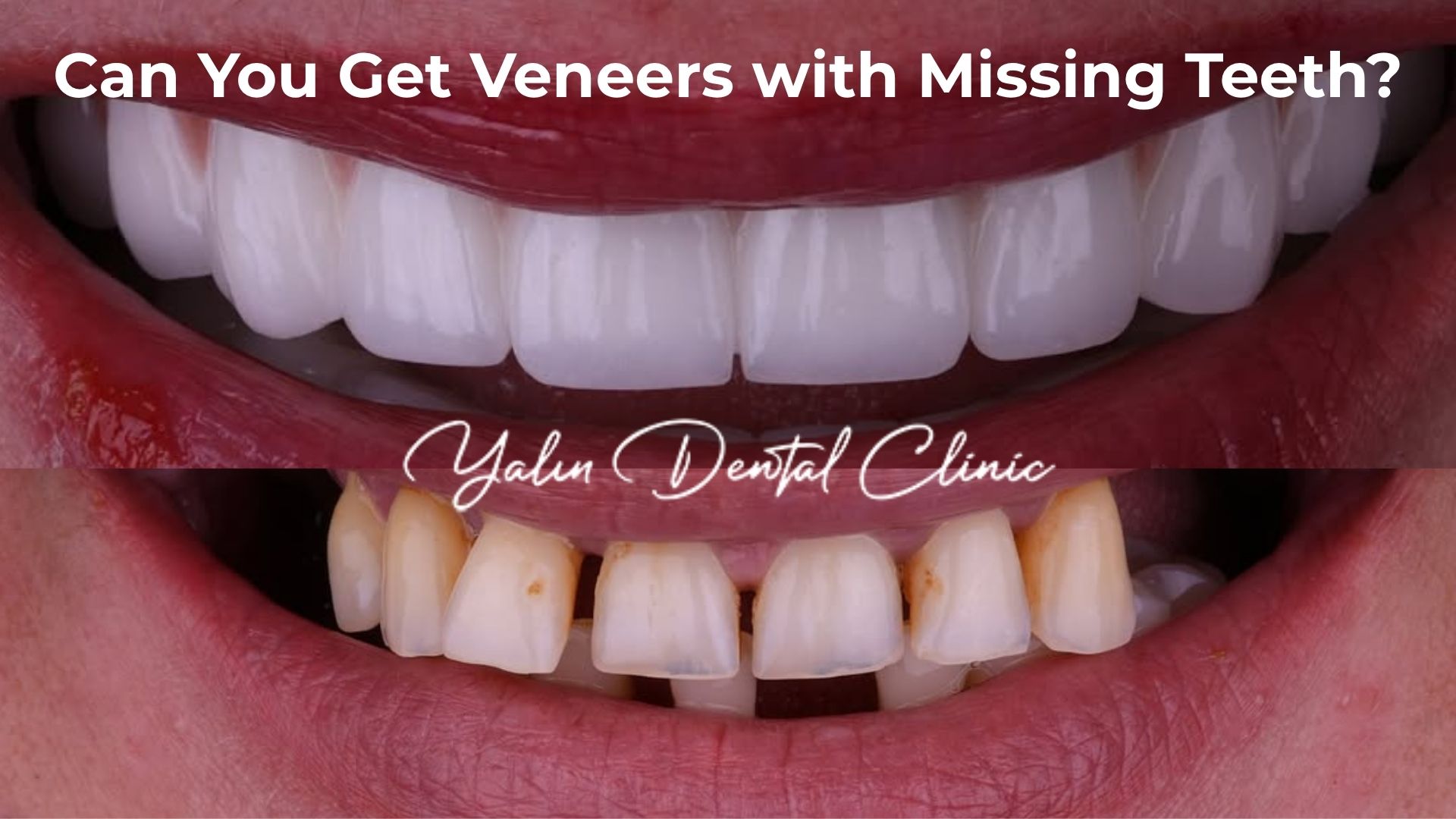
Dental veneers are one of the most popular cosmetic dentistry treatments for achieving a brighter and more even smile. Many patients ask, “Can you get veneers if you have missing teeth?” The short answer is “no”; veneers cannot replace missing teeth on their own, but they can still form part of a more comprehensive treatment plan to improve your smile. To better understand the issue, it is helpful to know how veneers work and when other treatments may be required.
What are dental veneers?
Veneers are thin shells usually made of porcelain or composite resin. They improve the shape, colour, size, and alignment of the teeth by bonding them to the front surface. Veneers are commonly used to treat the following issues:
- Stains or discolouration
- Minor chips or cracks
- Gaps between teeth
- Slight misalignments
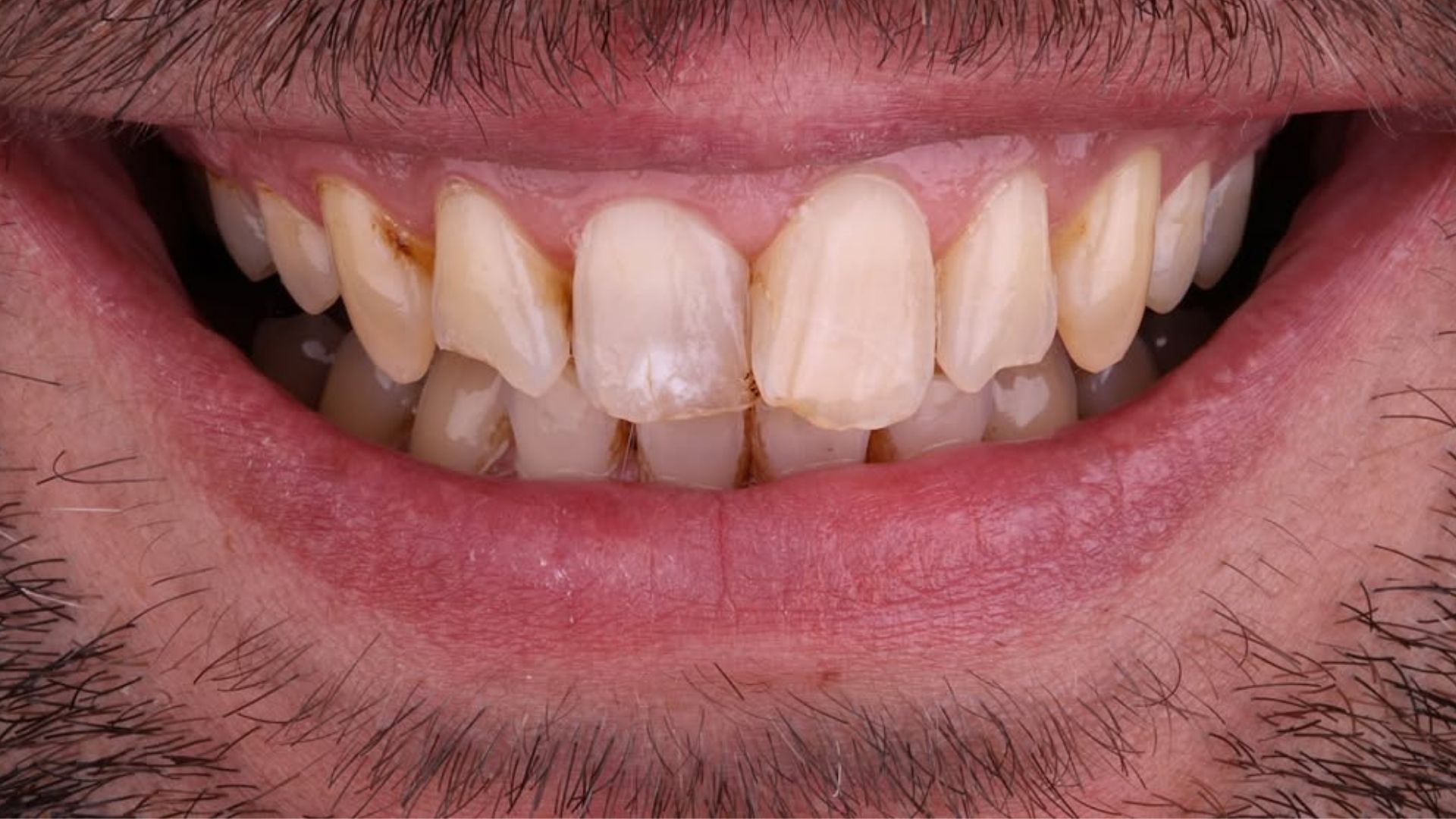
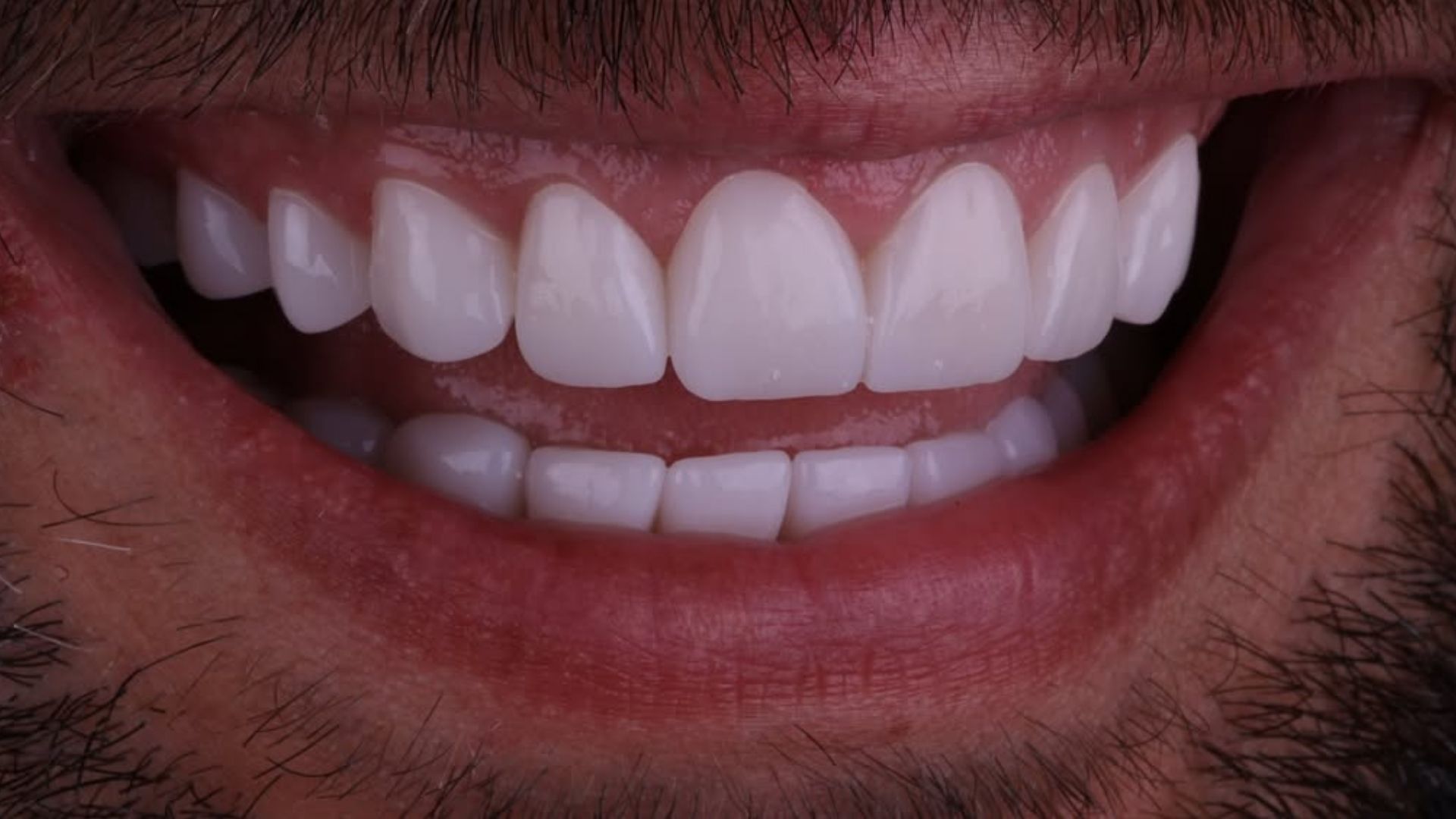
However, a healthy, existing tooth structure is required for veneers to be bonded. Therefore, veneers are designed to correct an aesthetically compromised appearance rather than to replace a tooth that is already missing.
Why veneers can’t replace missing teeth?
If a tooth is completely missing, a veneer cannot be bonded to that tooth. Veneers are not designed to replace structural components; they are used to conceal aesthetic imperfections rather than to treat functional problems with the tooth. Using veneers to replace a missing tooth is ineffective because in this case they would not be stable, functional or long-lasting.
However, once the missing tooth is replaced properly, veneers can be used on the surrounding teeth to make the entire smile look seamless.
The best options for missing teeth
Your dentist will usually suggest one of the following ways to fix your teeth if you are missing one or more:
Dental implant
A dental implant is a process that replaces missing teeth with natural-looking and functional teeth. The initial step is to decide if your jawbone is healthy enough to support the implant. In some cases, a bone graft is required to create a solid base. In the surgery a titanium post is screwed into the bone, like a strong root being driven into the earth for a tree. An abutment and a custom-made crown are then attached, creating a natural-looking tooth that functions like a real one. With careful upkeep your results can last a lifetime, giving you a smile that looks great and feels powerful.
All on 4 dental implants
All on 4 dental implant procedure is a revolutionary treatment for those who have lost most or all of their teeth. A brand new set of fixed teeth in just one day.
Missing most or all of your teeth? All-on-4 is a full smile in one day. Full set of teeth on four implants. Strong, secure and natural-looking. No bone grafts are needed, saving time and money. All-on-4 dental implants are especially popular with those who want to avoid traditional dentures, as they are more comfortable, do not slip and allow patients to eat and speak normally straight away.
All on 6 dental implants
All on 6 implants are a dental treatment for a full set of teeth. Six implants anchor the set for incredible stability. Imagine it like adding extra pillars to a building, making it stronger and more secure. These implants are a great solution for those with bone loss, especially in the back of the jaw, and many patients do not require bone grafting.
Dental bridge
A dental bridge fills in the space by attaching an artificial tooth (pontic) to the natural teeth next to it. Crowns are usually put on these supporting teeth. Quicker and less invasive than implants. Good when the teeth next to it already need crowns. Usually lasts between 10 and 15 years.
Dentures
Dentures are custom-made, removable replacements for missing teeth and surrounding tissues in people with some missing permanent teeth. These may be used as complete dentures or partial dentures, depending on how many teeth have been lost.
Can veneers be used with other treatments?
Yes—and this is where veneers become highly valuable.
Veneers can be used to improve the look of the smile as a whole after missing teeth have been replaced with implants or bridges. For instance: An implant takes the place of the missing tooth. Veneers improve the colour, shape, and symmetry of the surrounding teeth. The final result is a smile that looks natural and even. This mix of methods is often called a "Smile Makeover / Hollywood Smile".
When should you get veneers?
If you fit the following criteria, veneers might be a good choice for you:
- You have healthy teeth in the area being treated, and your teeth are structurally strong. You want cosmetic changes instead of functional restoration.
- You have enough enamel for bonding.
If you have missing teeth and are worried about how they look, a "customised treatment plan" that includes both restorative and cosmetic procedures is usually the best option.
What happens if you have a gap from a missing tooth?
Some patients confuse small gaps (diastemas) with missing teeth. Veneers can effectively close small gaps. If the gap is between existing teeth, veneers may be suitable. However, if the gap is caused by a missing tooth, veneers alone will not be sufficient. If you wish to find out which treatment is right for you, it is advisable to have a comprehensive dental examination.
Treatment Planning: What to expect?
If you’re considering veneers but have missing teeth, your dentist will follow a structured process:
1. Comprehensive Examination
Includes X-rays and digital scans to assess bone and tooth health.
2. Treatment Planning
Determining whether implants, bridges, or other restorations are needed first.
3. Restorative Phase
Replacing missing teeth.
4. Cosmetic Phase
Applying veneers to enhance the final appearance.
This staged approach ensures both functionality and aesthetics are achieved.
Are veneers worth it if you have missing teeth?
Veneers are definitely worth it, but only if they are part of a full treatment plan. They can't fix the problem of missing teeth on their own, but they can make the final result much better once the structural problem is fixed.
So, is it possible to get veneers if you have missing teeth?
Not directly, but yes, as part of a combined treatment plan.
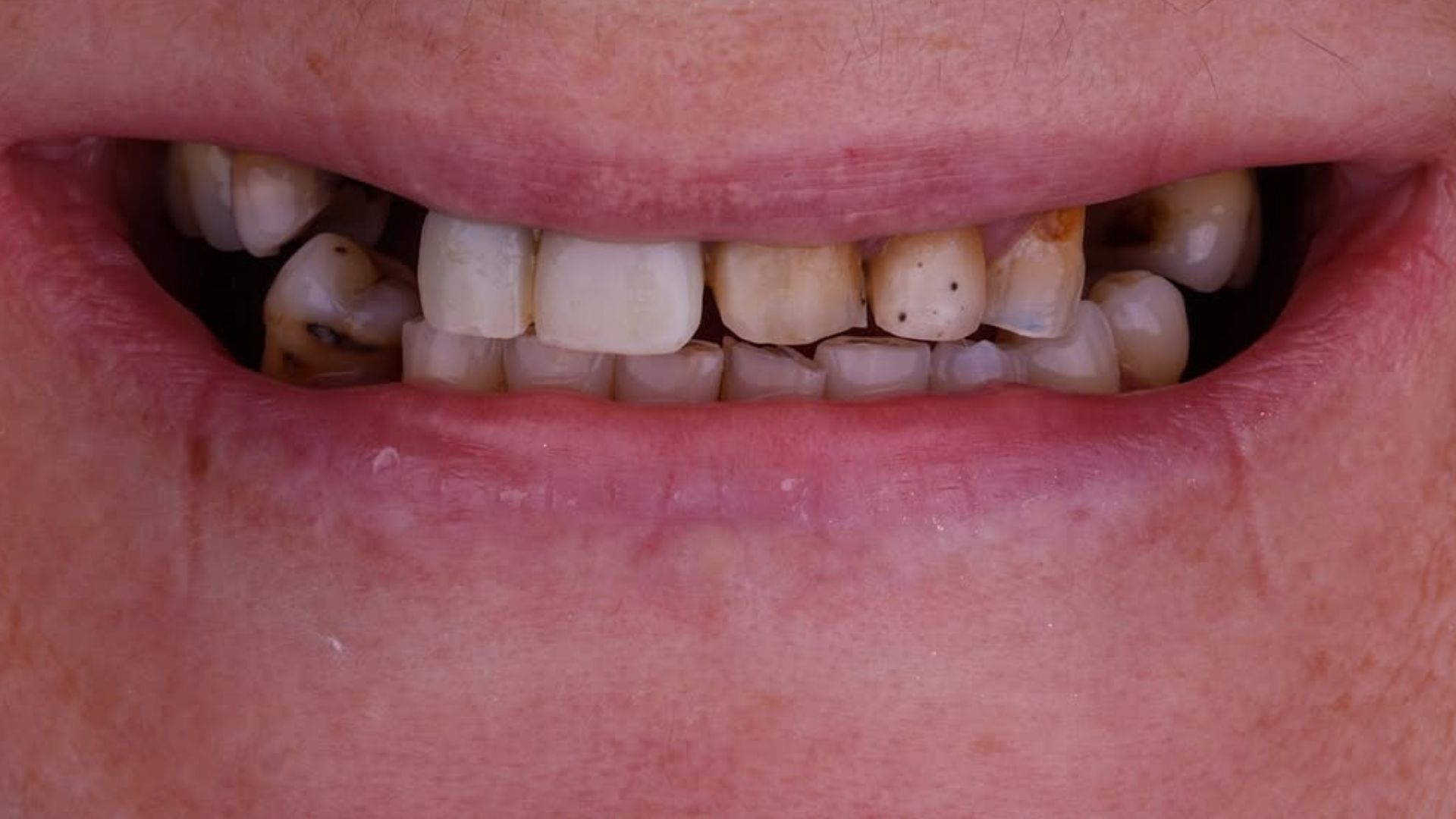
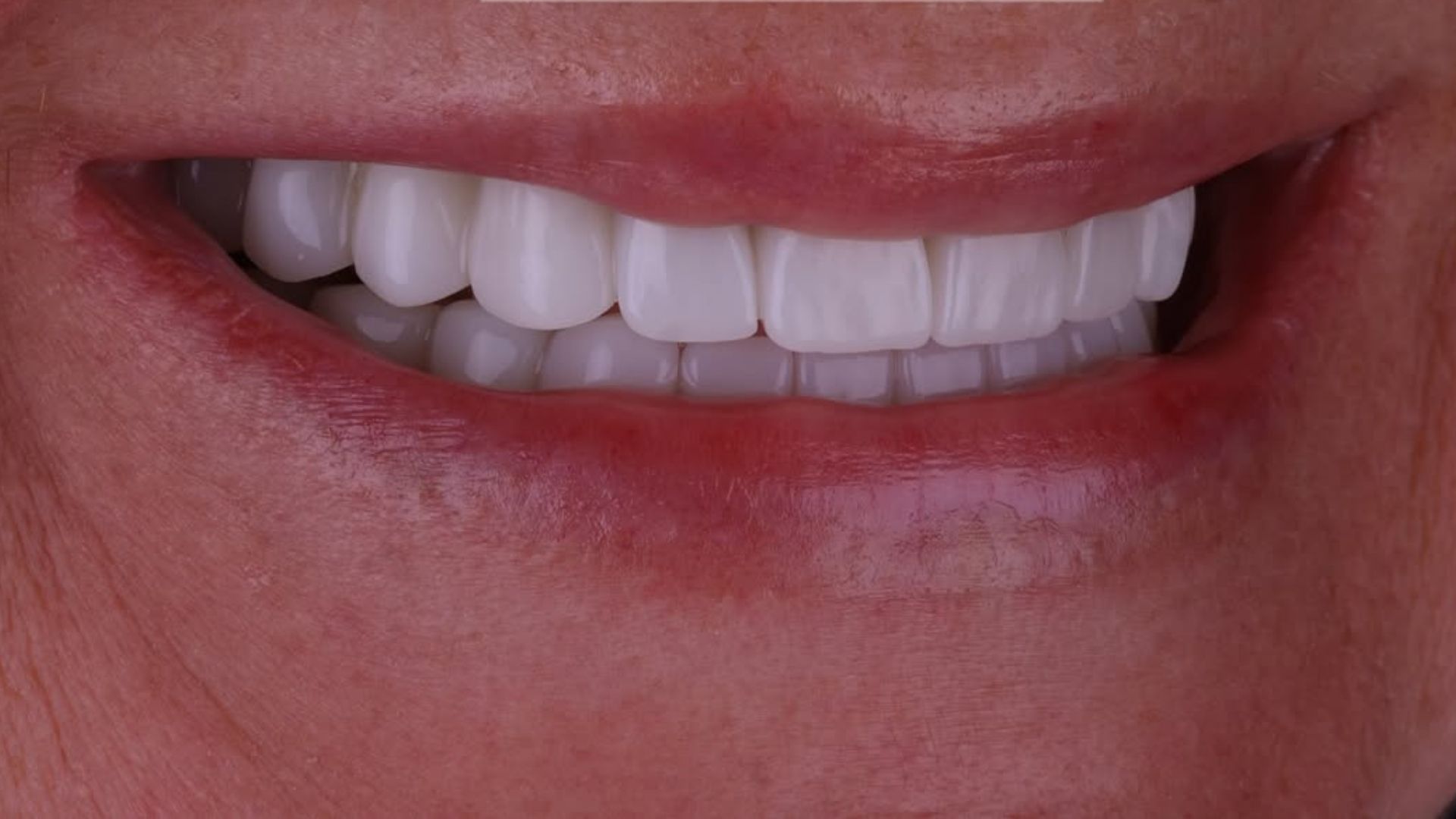
The most important thing is to first replace missing teeth with safe methods like dental implants or bridges. After that, you can use veneers to make your smile look better and more perfect.
If you're not sure which option is best for you, the best thing to do is talk to a qualified dentist who can make a personalised treatment plan tailored to your needs.
Please contact us for more information.