







All-on-4 dental implants are one of the most effective solutions for people who have lost most or all of their teeth or whose remaining teeth cannot be saved. A dentist places four implants in the jaw to support a fixed set of new teeth. This gives the patient a stable alternative to removable dentures.
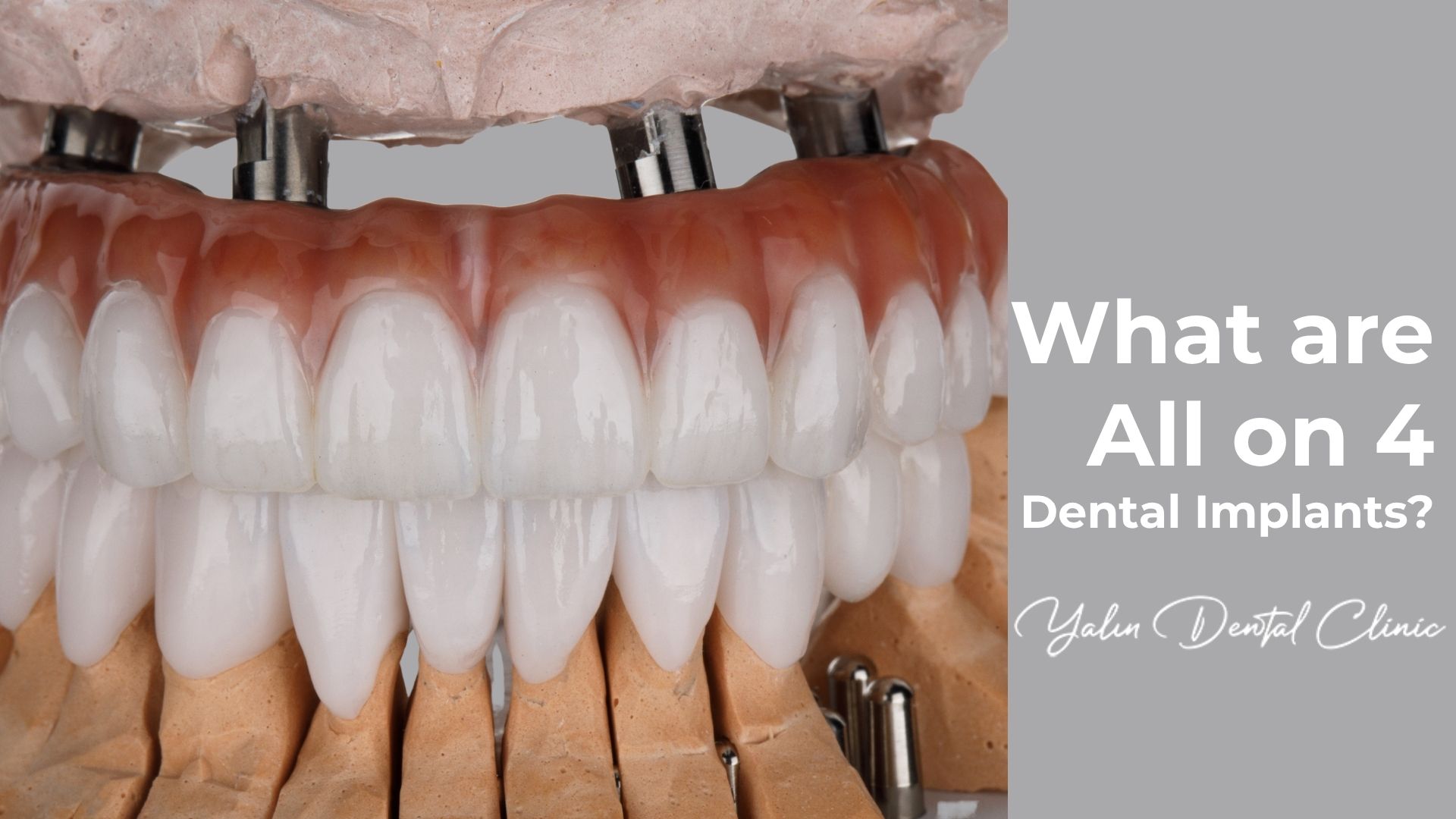
All-on-4 Dental Implants Procedure in Turkey, Antalya
Turkey is one of the most popular countries for all-on-4. Turkish dentists perform All-on-4 procedures routinely and have extensive experience treating both local and international patients. Many clinics, especially in Antalya and Istanbul, have experienced implant teams, modern equipment and strong healthcare facilities.
Turkey is also a good option for implant patients due to lower implant costs compared to those in the UK, Europe, or the US. Many patients can book treatment without waiting months for an appointment.
Many clinics organize airport transfers, hotels, and treatment planning. Many patients also enjoy a short holiday in Antalya while completing their treatment.
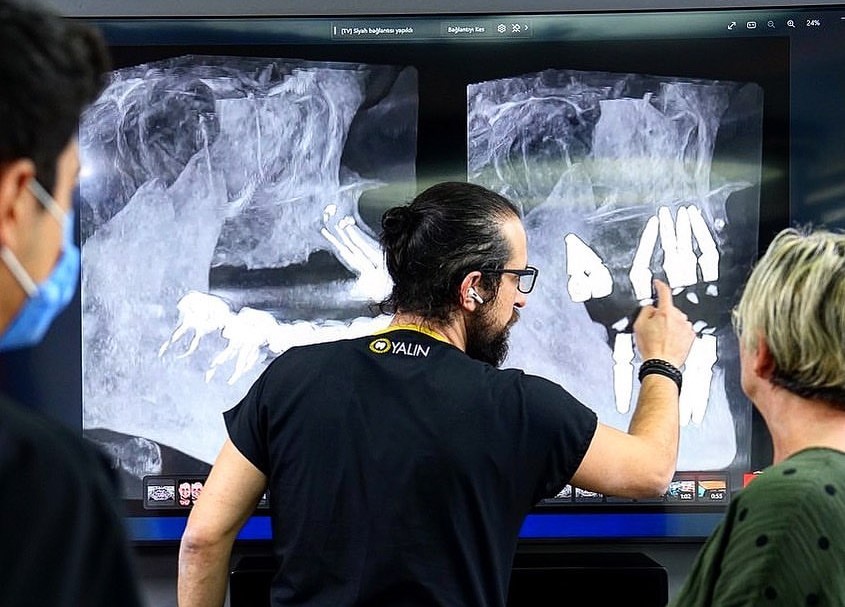
All-on-4 Advantages
- You get a full set of fixed teeth with only four implants.
- Your new teeth do not move while you eat or speak.
- You can smile without worrying about loose dentures.
- Eating becomes easier and more comfortable.
- Your speech gets clearer after you get used to the teeth.
- Treatment is often completed more quickly than traditional full-mouth implant procedures.
- The new teeth give your face and smile a fuller look.
- With regular care, you can use them comfortably for many years.
Dentists in Antalya, Turkey, offer All-on-4 treatments
Turkish dentists perform all-on-4 treatments regularly. Many implant dentists in Antalya have extensive experience in full-mouth implant rehabilitation and regularly treat international patients. They receive strong clinical training and continue improving their skills through courses, seminars and dental congresses in Turkey and abroad.
You can contact them easily as well. Many dentists and clinic teams are able to speak English and other languages clearly. Before and after photos, patient reviews and previous treatment cases also will help you see the dentist’s experience.
All-on-4 Dental Implants Turkey Price
All-on-4 dental implants in Turkey usually cost around £1,500 to £3,000 per jaw, and the final price depends on the implant brand, the material used for the fixed teeth, the dentist’s experience, the condition of your jawbone, any extractions or bone grafting you may need, and whether the package includes temporary teeth, scans, medication, hotel and transfers.
| Country | Estimated Cost per Jaw |
|---|---|
| Turkey | £1,500–£3,000 |
| UK | £10,000–£25,000 |
| USA | £11,000–£28,000 |
| Europe | £6,000–£13,000 |
Turkey's implant costs are more affordable compared to those in the UK and the US. Turkey offers significantly lower treatment costs than the UK, the US, and many European countries while maintaining high standards of care. Many clinics use internationally recognised implant systems, modern digital technology, and experienced implant teams. You can also start your treatment much sooner, without waiting for months.
How does All-on-4 procedure work?
All-on-4 isn't a single appointment — it's a process that unfolds over several months, with each stage building on the last. Here's a walk-through of what actually happens, from the first visit to the day you get your permanent teeth.
1. Consultation
The process begins with a discussion. Your dentist carefully examines your oral health, asks what you're hoping to achieve, and determines whether All-on-4 is the right treatment for your situation. This is also where you'll go over your medical history and receive detailed information about the procedure, recovery, expected results, and possible risks — especially useful if you're dealing with several failing teeth or already missing most of them.
2. CT Scan
From there, you'll get a 3D CT scan of your jaw. The CT scan is an essential part of treatment planning — it's what lets your dentist see exactly how much bone you have to work with and where the nerves and sinuses sit, before creating your personalised treatment plan. Standard dental X-rays cannot provide this level of detail, which is part of why All-on-4 placement can be planned so precisely.
3. Treatment Plan
With the scan in hand, your dental team creates a detailed treatment plan: where each of the four implants will go, at what angle, what your temporary teeth will look like, and roughly how long the whole thing will take. Many modern dental clinics use digital planning software, so you can actually see a simulation of the outcome before any surgery happens.
4. Extractions
If you've still got some natural teeth remaining — especially ones that are too severely damaged or decayed to be restored — they usually come out on the same day as the implant surgery. This is one of the things that makes All-on-4 appealing: it can often be completed during the same appointment, depending on the patient's clinical condition, instead of dragging out over several separate appointments.
5. Four Implants
This is the stage that gives the treatment its name. Four titanium implants go into the jawbone — two placed vertically towards the front and two angled towards the rear, where bone tends to be thinner. This angulation is one of the key advantages of the All-on-4 technique: it lets the implants anchor into available healthy bone, which is why many patients can avoid bone grafting they might otherwise have needed.
6. Temporary Teeth
In most cases, patients leave the clinic with a fixed temporary bridge on the same day, allowing them to eat, speak, and smile with confidence while the implants heal. The temporary bridge is designed to place less pressure on the implants during the healing period.
7. Healing
The healing stage is one of the most important parts of the treatment process. Over the next 3 to 6 months, the implants slowly fuse with the jawbone in a process called osseointegration. It's what turns the procedure from a cosmetic fix into something genuinely load-bearing and permanent. During this stretch, you'll likely be eating softer foods and attending scheduled follow-up appointments so your dentist can keep an eye on how things are healing.
8. Permanent Bridge
Once the implants have properly bonded with the bone, the temporary bridge comes off and is replaced with your final one — custom-made to match the shape, colour, and feel of natural teeth. This final restoration is designed for long-term function and aesthetics. Most patients report that this is when their new smile feels completely natural.
All-on-4 Recovery Time
Recovery from All-on-4 dental implants happens in stages rather than all at once. The first few days tend to be the most intense — patients can expect mild swelling, bruising, and discomfort during the first few days and a soft-food diet, with most patients back to light daily activities within 3 to 5 days. Initial healing of the gums typically takes about 1 to 2 weeks, though the more important process is happening underneath: the implants need roughly 3 to 6 months to fully fuse with the jawbone (a process called osseointegration) before the final, permanent set of teeth is fitted.
In the meantime, patients usually wear a temporary fixed prosthesis, so they continue to have a functional smile throughout the healing period. Overall timelines vary based on individual bone density, oral hygiene, and how closely post-op instructions are followed, but most patients are eating normally and functioning comfortably well before that final restoration stage is complete.
All-on-4 vs Traditional Implants
All-on-4 replaces a full row of teeth with just four implants. Traditional implants usually replace teeth one by one and often take longer.
| Feature | All-on-4 Dental Implants | Traditional Dental Implants |
|---|---|---|
| Number of Implants | Four per jaw | One per tooth |
| Best For | Full tooth loss | A few missing teeth |
| Treatment Time | Usually shorter | Usually longer |
| Fixed Teeth | Often fitted on the same day | Placed after the healing period |
| Bone Grafting | Less often needed | More often needed |
| Surgery | Fewer implant sites | More implant sites |
| Recovery | Often quicker | Can take longer |
| Cost | Lower for a full jaw restoration | Higher for a full jaw restoration |
| Cleaning | Simple daily care | Like caring for natural teeth |
| Final Result | Full fixed smile | Individual replacement teeth |
Who is a good candidate for All-on-4 dental implants?
Although All-on-4 dental implants are suitable for many patients, the treatment is not right for everyone. A comprehensive examination and 3D CBCT scan are necessary to determine your suitability. In general, a good candidate for All-on-4 dental implants typically has the following characteristics:
- Missing most or all of their teeth — due to tooth decay, advanced gum disease, or long-term tooth loss.
- Unhappy with removable dentures — patients whose dentures slip, feel uncomfortable, or no longer fit properly may benefit from a fixed implant-supported solution.
- Limited jawbone for traditional implants — the angled posterior implants used in the All-on-4 technique maximise the available bone and often eliminate the need for bone grafting.
- In generally good overall health — successful healing depends on good general health and the body's ability to recover after implant surgery.
- No uncontrolled medical conditions — conditions such as uncontrolled diabetes or certain autoimmune disorders may affect healing and should be carefully assessed before treatment.
- Willing to stop or reduce smoking during treatment — smoking can slow healing and increase the risk of implant failure.
- No upper age limit — age itself is not usually a limiting factor. Bone quality, gum health, and overall medical fitness are far more important.
- Final suitability is confirmed after a comprehensive examination — a clinical assessment, digital X-rays, a 3D CBCT scan, and a consultation with an implant dentist are necessary to determine whether All-on-4 is the right treatment. The points above are intended as general guidance rather than a definitive checklist.
What is the best material for all-on-4 implants?
Titanium is usually the best choice for the implants because it is strong, safe, and bonds well with the jawbone. For the fixed teeth, zirconia often gives the best long-term result, as it looks natural, resists stains, and handles daily chewing well.
What is All-on-4 Concept in Turkey?
The All-on-4 concept in Turkey means replacing a full row of missing or badly damaged teeth with a fixed bridge supported by four implants.
What is All-on-4 Bridge?
All-on-4 bridge is a full row of fixed teeth attached to four dental implants. It does not come out like a denture and helps you eat, speak, and smile more comfortably.
All-On-4 Dental Implant Problems
Most people do well with this treatment. Long-term studies have reported success rates above 95% when treatment is properly planned and patients maintain good oral hygiene and regular dental check-ups. Although the treatment has a high success rate, complications can occasionally occur. You may feel sore; food can collect under the bridge or an implant screw may loosen over time. Small chips in the teeth or discomfort while chewing are another possible problem. Poor cleaning, smoking, or weak healing can also lead to infection around the implants and, in rare cases, implant failure.
All-on-4 Implants Before and After in Antalya, Turkey
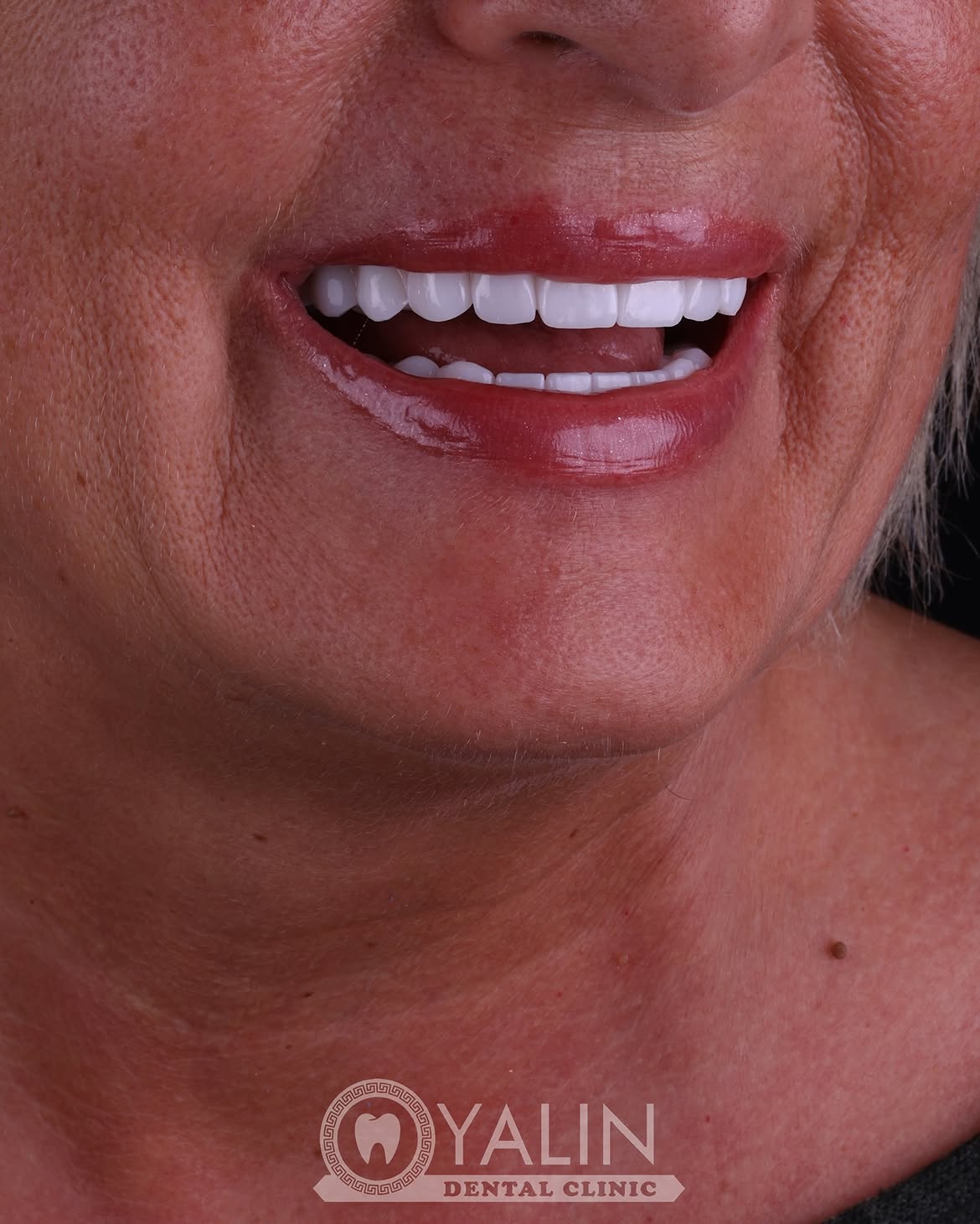
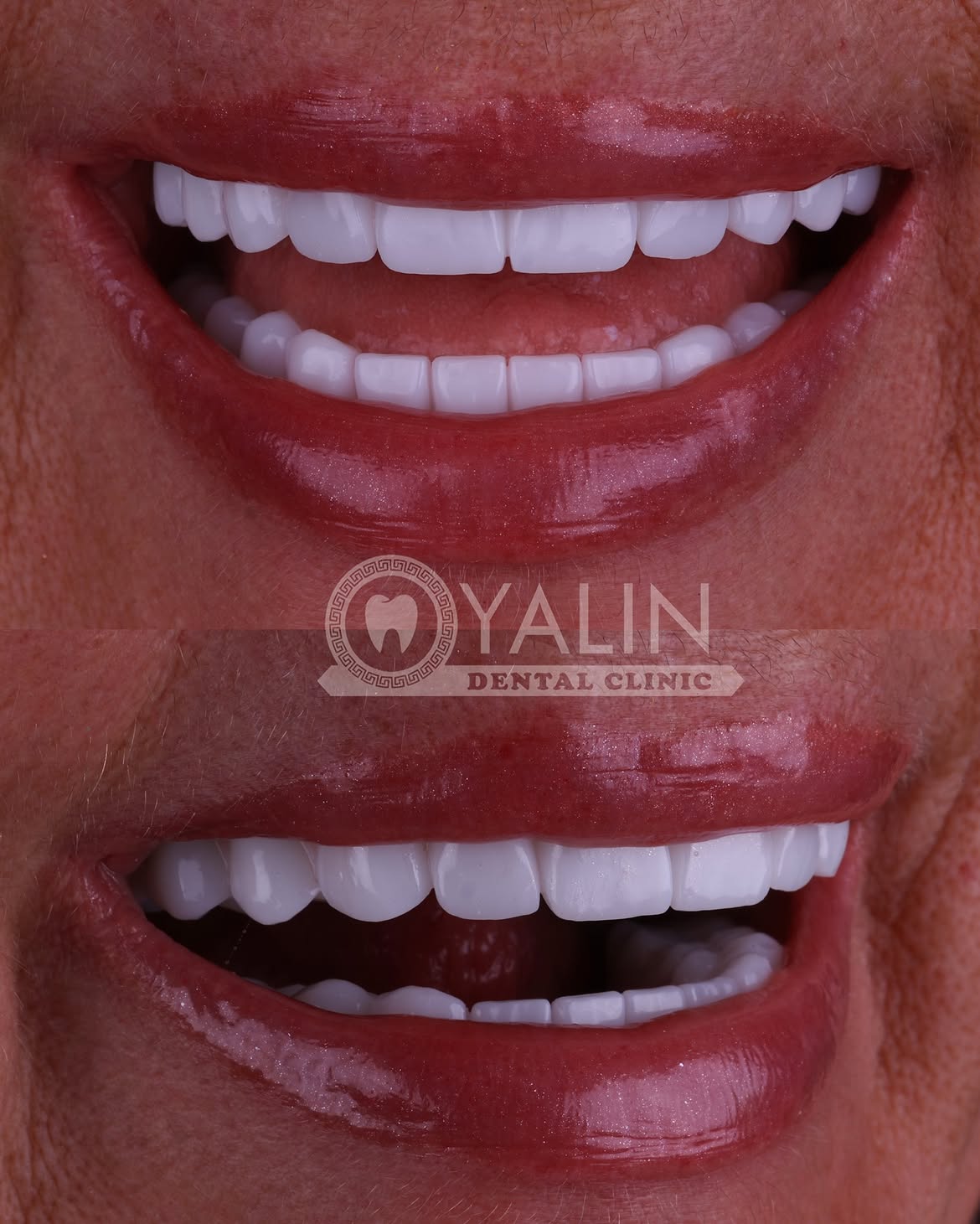
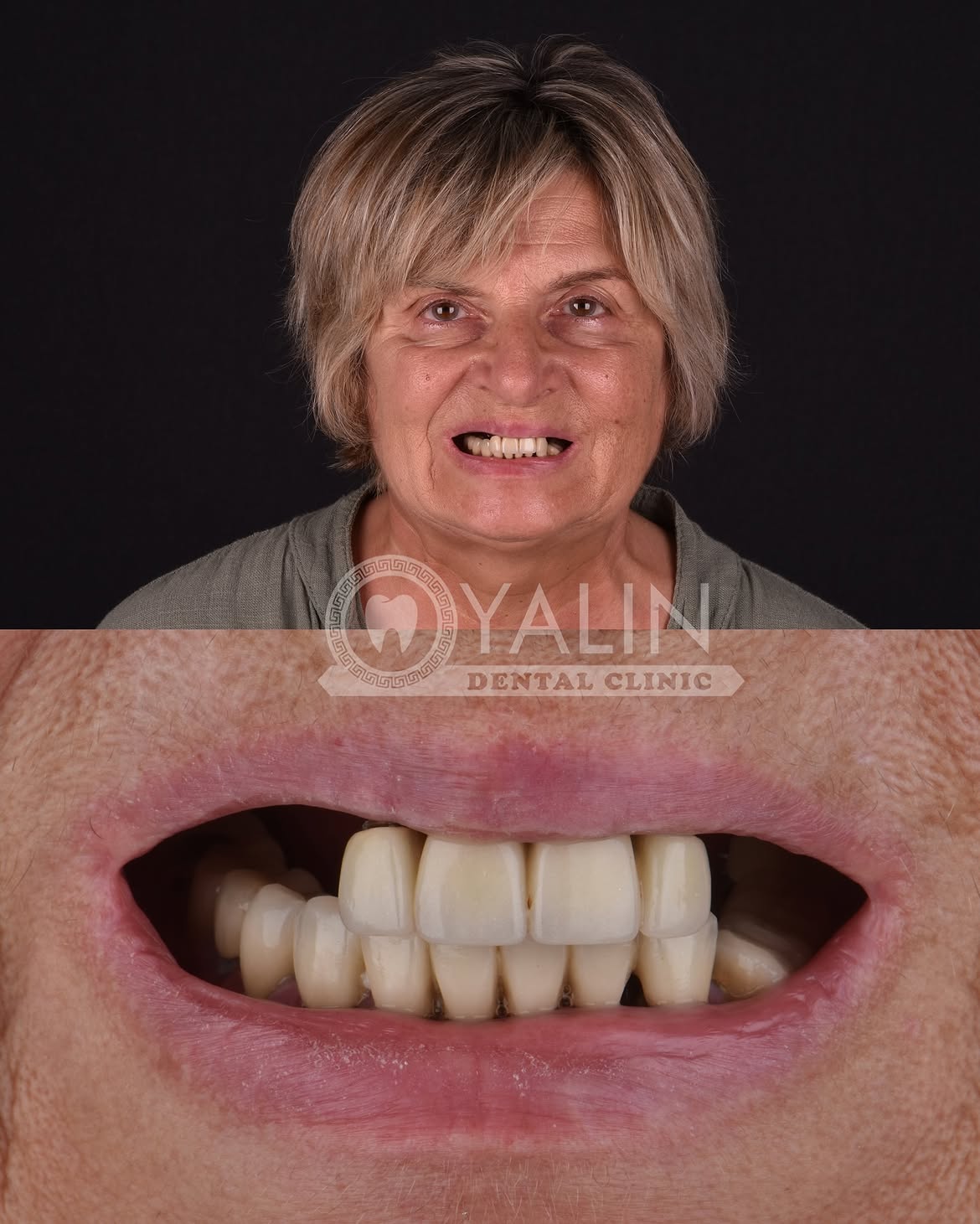

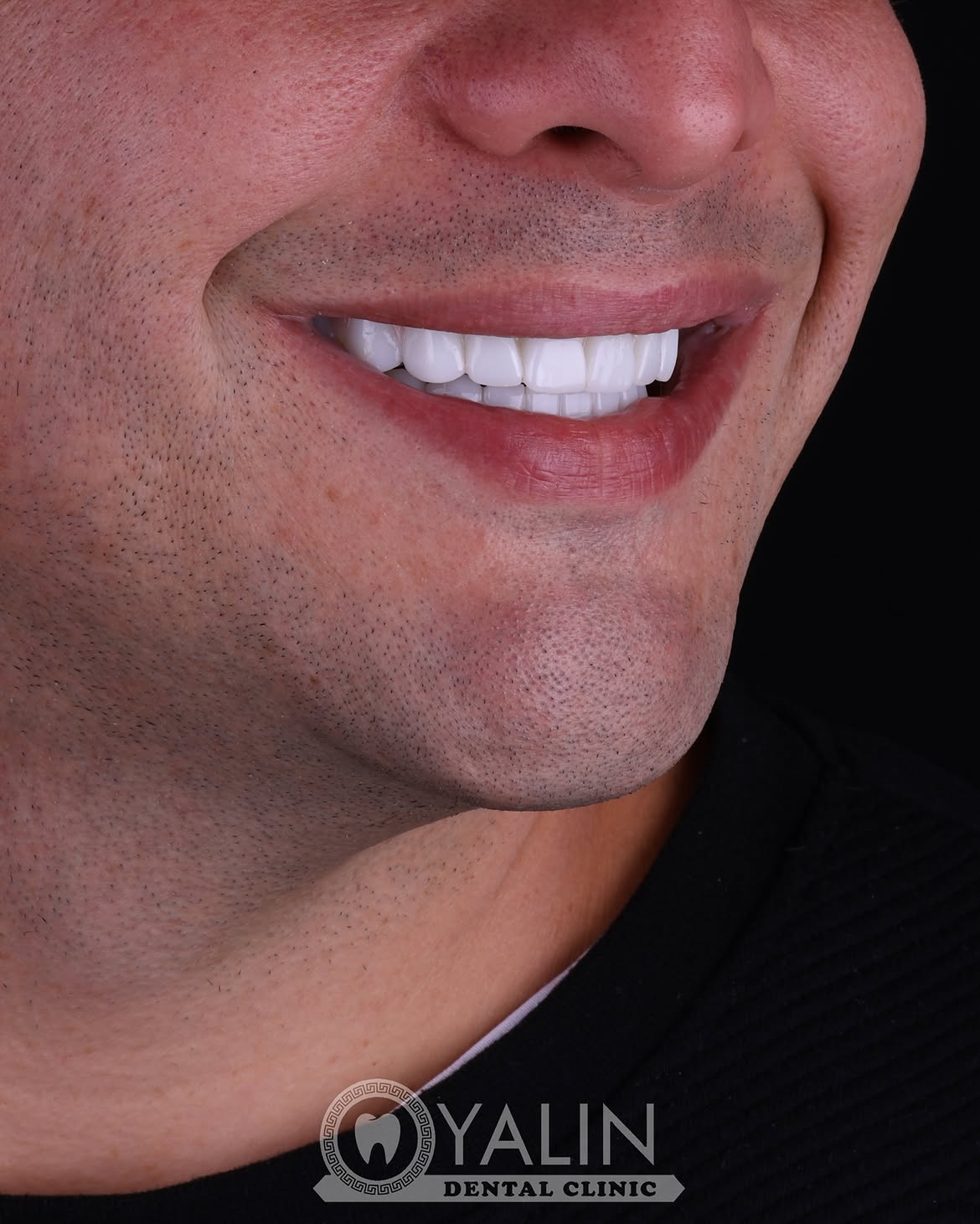
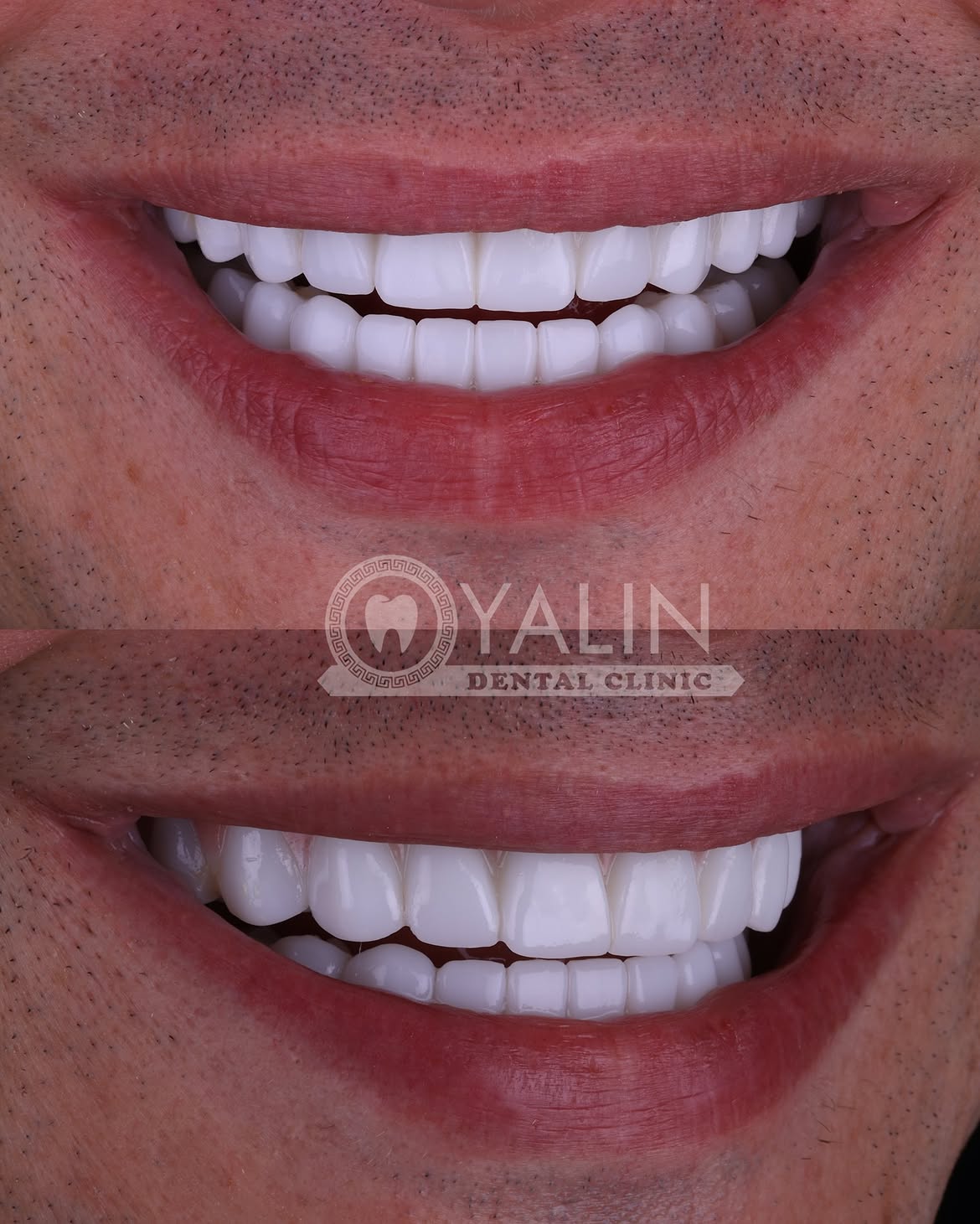
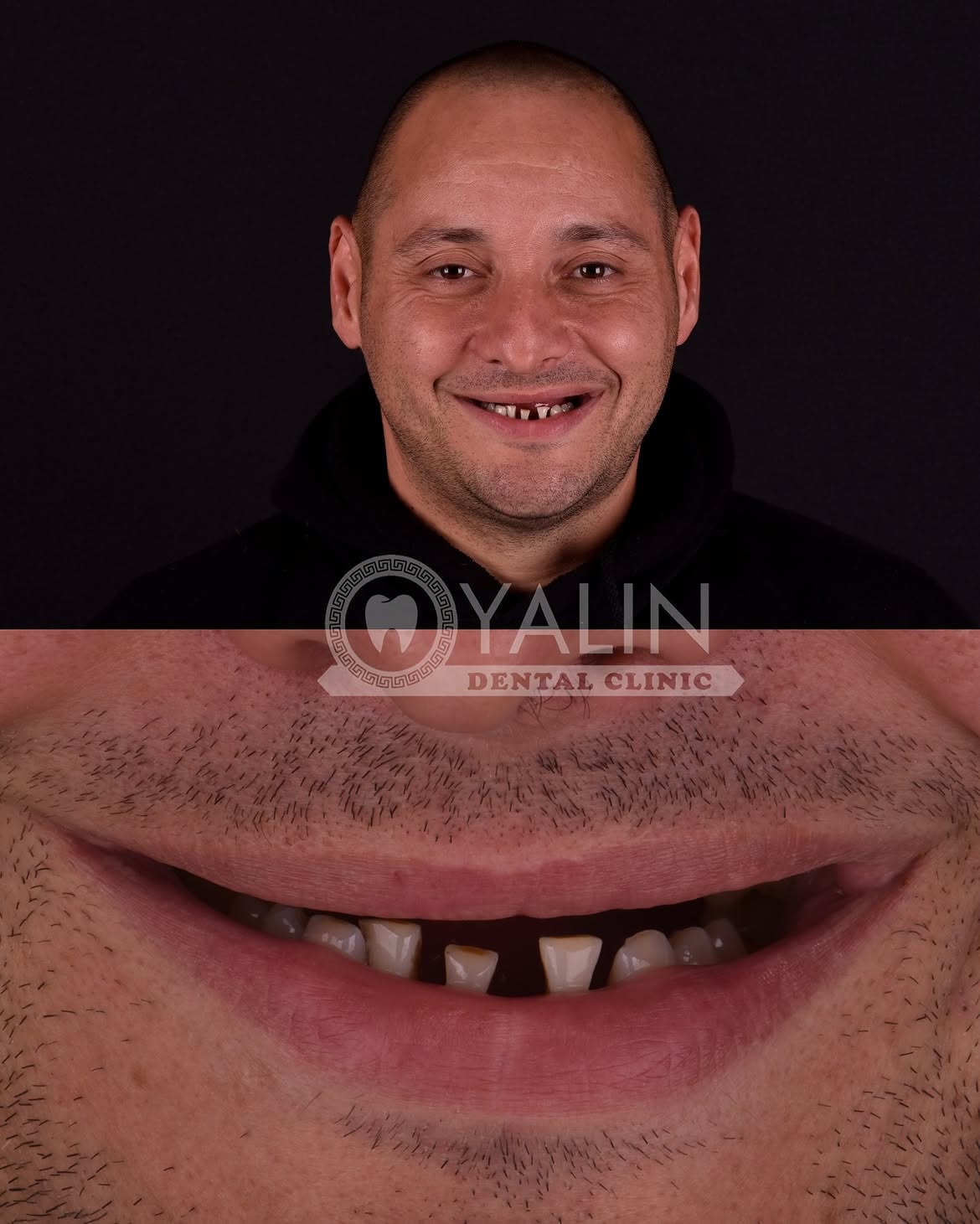

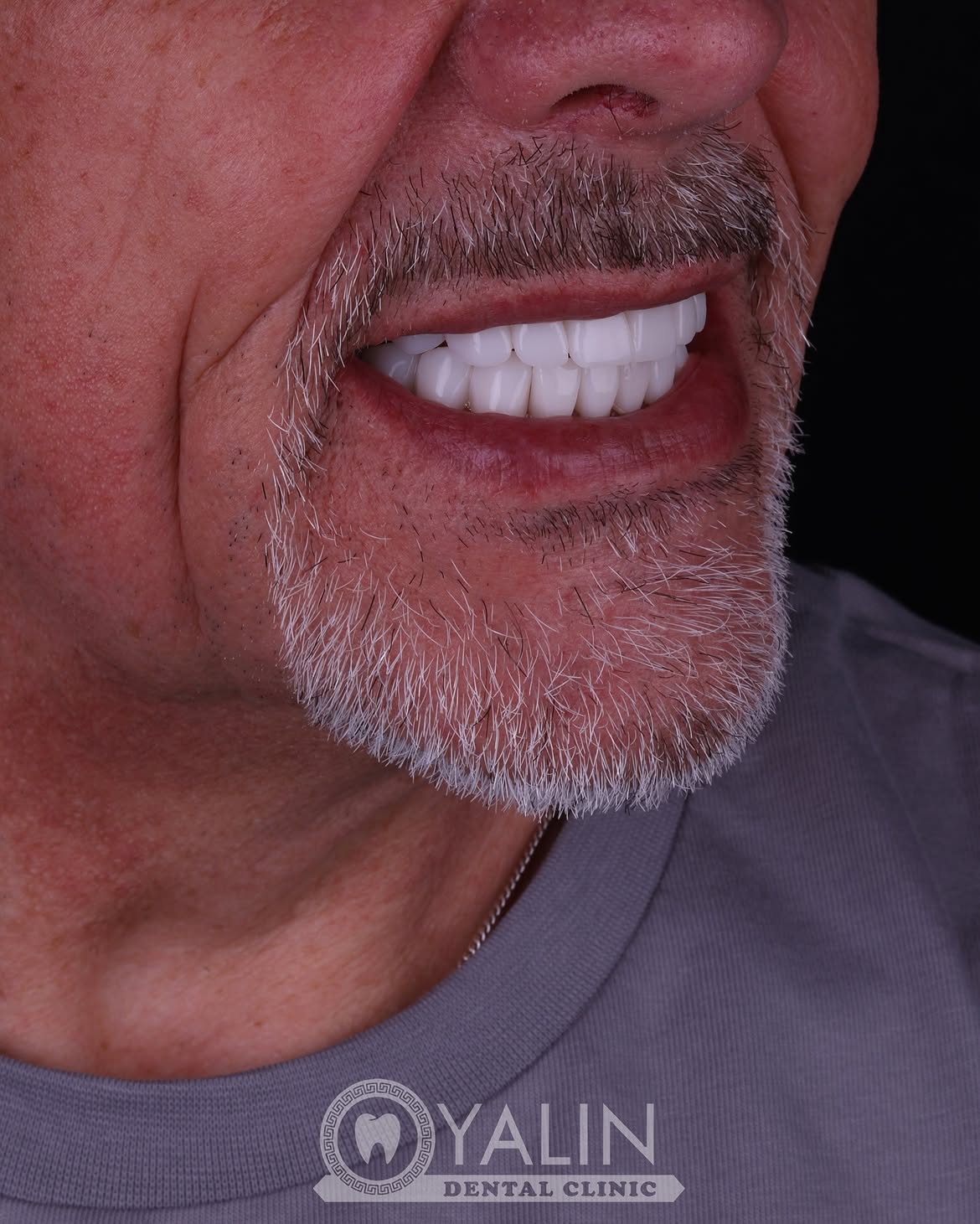
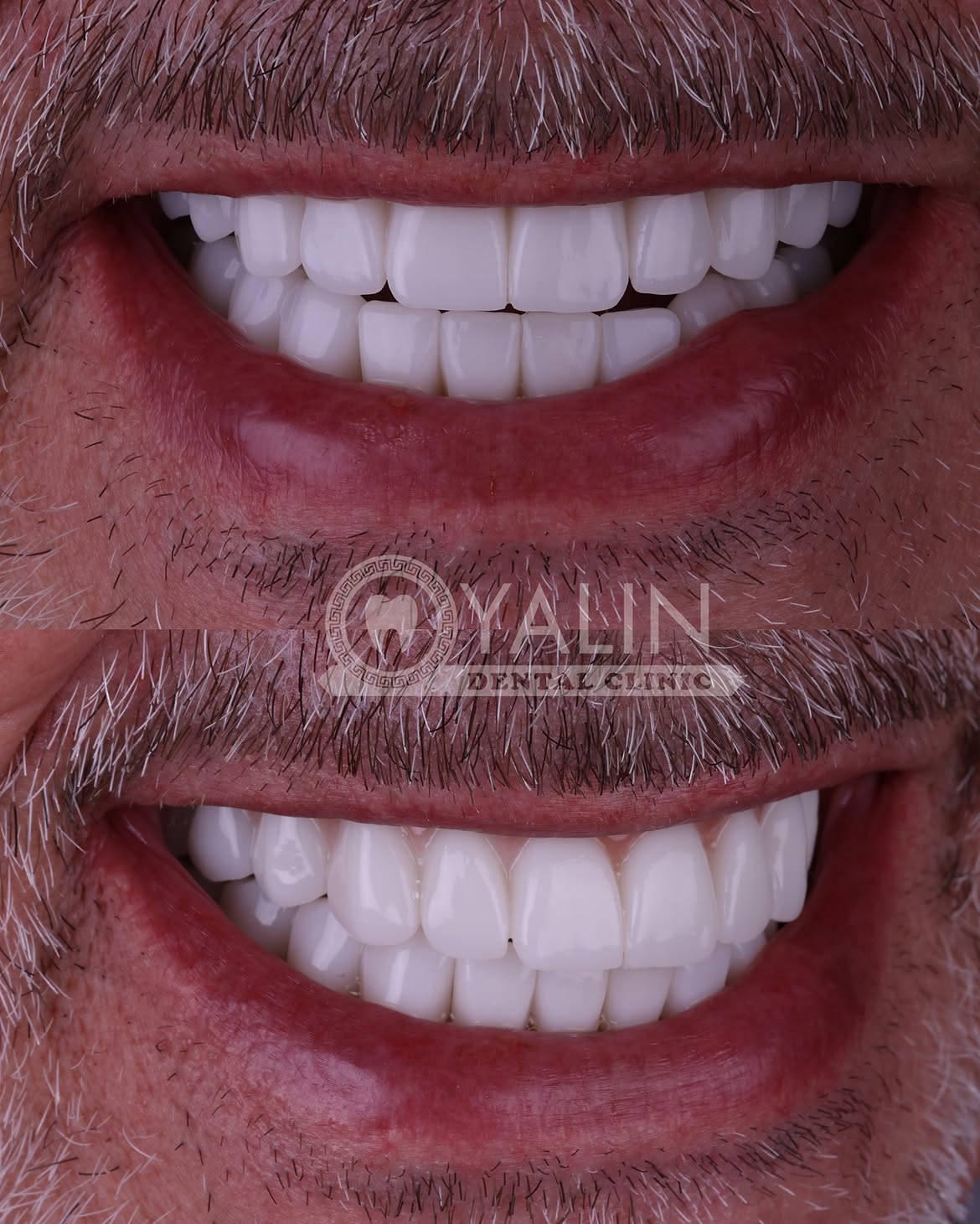
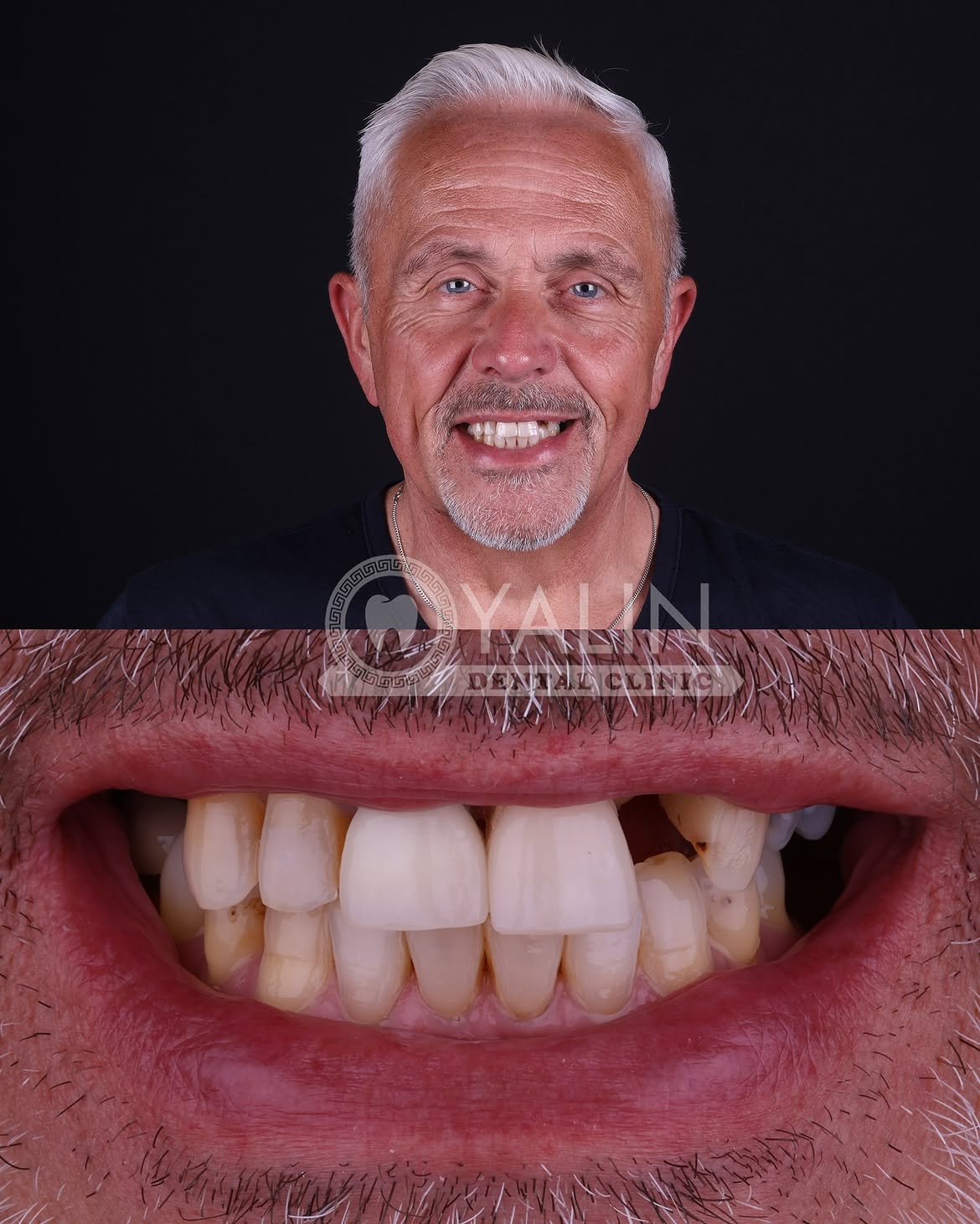

Before and after photographs help patients understand the type of results that may be achieved with All-on-4 dental implants.
Note
- Before and after images were taken in the same clinical environment and under the same technical conditions.
- Written and explicit patient consent has been obtained.
- This content is shared for informational purposes only.
- Results may vary from person to person.
Turkey Teeth Dental Review
See verified reviews from patients who travelled to Antalya for dental treatment.
All-on-4 dental implants: how many teeth?
An All-on-4 bridge usually carries 10 to 14 teeth on one jaw. The exact number depends on your mouth, bite, and the space available for the bridge.
Can All-on-4 be completed in one day?
The implant surgery itself, along with the placement of a temporary fixed bridge, can often be completed in a single day — which is why All-on-4 is commonly referred to as "same-day teeth." However, the permanent bridge is not fitted until the implants have fully healed and fused with the jawbone, a process known as osseointegration, which typically takes 3 to 6 months. While you can leave the clinic on the same day with a full set of fixed temporary teeth, the treatment is only considered complete once the final restoration has been placed.
Do All-on-4 dental implants look natural?
Yes. Modern All-on-4 implants are custom-made to match the shape, size, and shade of your natural teeth, creating a realistic and attractive smile. A well-designed restoration is often difficult to distinguish from natural teeth. The final aesthetic result depends on factors such as the experience of the implant dentist, the dental laboratory, and the materials used. When performed by an experienced dental team using high-quality materials, All-on-4 dental implants can provide a highly natural-looking and long-lasting result.
Conclusion
All-on-4 dental implants are an effective solution for replacing a full arch of missing teeth with just four strategically placed implants. They provide a stable, natural-looking alternative to removable dentures while restoring comfort, confidence, and chewing function. With experienced implant dentists, modern technology, and affordable prices, Antalya, Turkey, has become a popular destination for patients seeking high-quality All-on-4 treatment. A comprehensive consultation and 3D CBCT scan are the first steps towards determining whether All-on-4 dental implants are the most suitable solution for restoring your smile.
Frequently Asked Questions
How long do All-on-4 implants last?
With good oral care and regular dental checks, all-on-4 implants can last about 20-25 years or more.
Which is better, All-on-4 or All-on-6 dental implants?
Both treatments have their place. All-on-4 is suitable for limited bone and fewer implants, while All-on-6 offers more strength and load distribution with sufficient healthy bone.
What is the downside of all on four dental implants?
The main disadvantages include the higher initial cost, the need for careful oral hygiene, possible food accumulation beneath the bridge, occasional loosening of screws or chipping of the prosthesis, and the small risk of implant failure. However, these problems are uncommon when treatment is performed by an experienced implant dentist and the patient follows aftercare instructions.
Why are dental implants so affordable in Turkey?
Dental implants cost less in Turkey because clinic rent, laboratory fees, staff wages, and other running costs are lower. The exchange rate, high number of patients, and strong competition between clinics also help keep prices down.
If you would like to learn more about All-on-4 dental implants or receive a personalised treatment plan and quotation, contact our team today to arrange your consultation.