




Basically, it’s a type of dental crown, a cap, that we place over a damaged tooth. The material is called zirconia. It’s white, very solid, kind of… tough in a good way. Not like the old metal ones people used to have.
We use it when a tooth is broken, worn down, or just too weak to survive on its own. Instead of removing the tooth, we protect it. Cover it. Give it a second life, you could say.
What people really like about zirconia is its durability: it’s strong; it doesn’t look fake. You don’t want something that just works; you also want it to look like a real tooth when you smile or talk. And zirconia does that pretty well, honestly.
Furthermore, it’s metal-free. That matters more than people think. Gums usually respond better, and you don’t get that dark line near the gum.
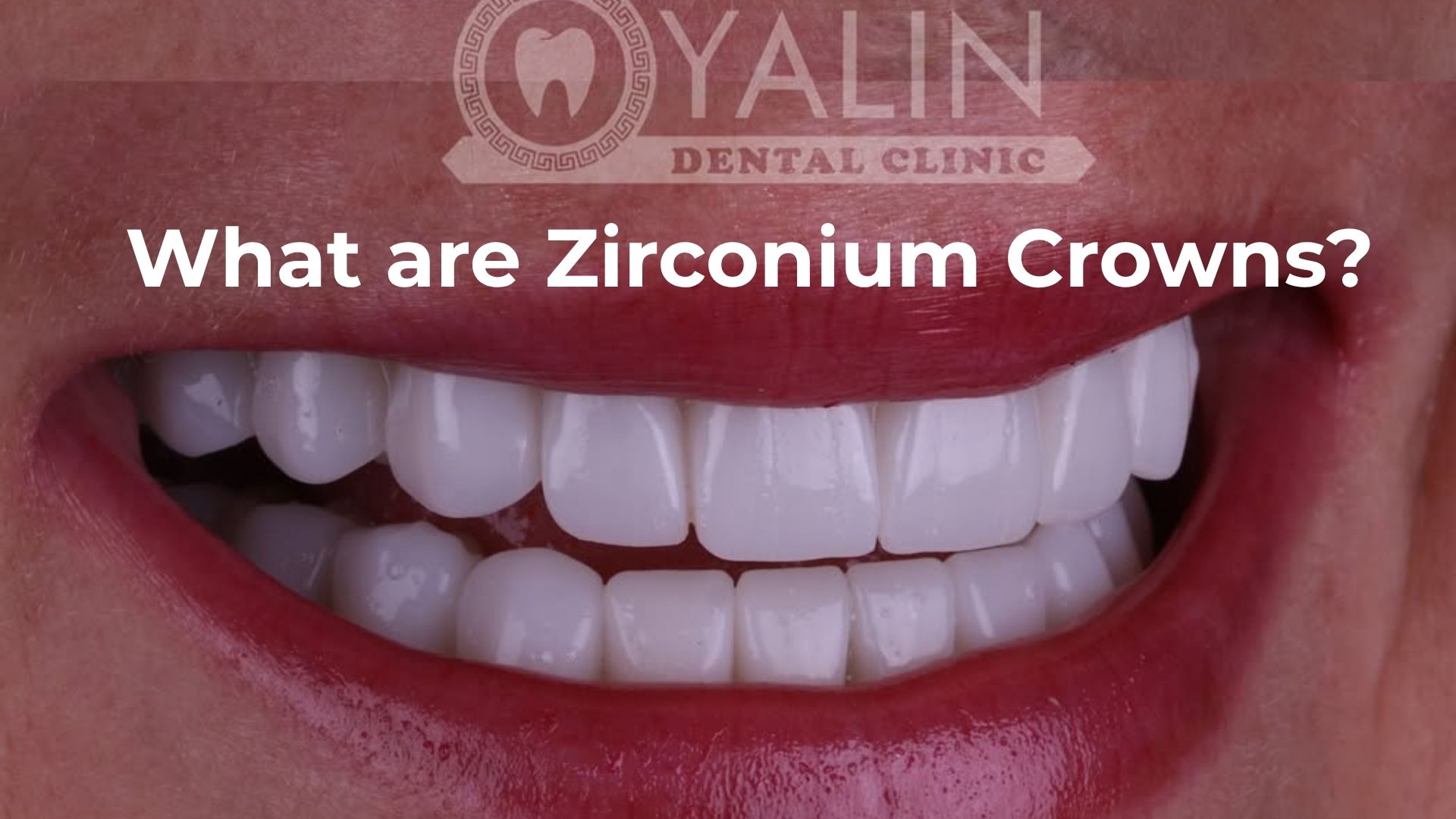
Zirconium crowns Turkey, Antalya
A lot of patients come to Turkey for zirconia crowns, and the reason is simple! The quality is really good, clinics are experienced, and you don’t wait around for months. Prices are also much more reasonable compared to Europe. So people get solid treatment and, well, save a good amount at the same time.
What is cubic zirconia?
Cubic zirconia is that shiny stone you see on rings and jewellery. It’s made to look like a diamond. Nice to look at, but that’s it… It's not made for teeth.
In dentistry, we use zirconia. This one is completely different. It’s a solid, strong ceramic that can handle chewing, pressure, heat, everything going on in the mouth.
So yeah, similar names, but don’t mix them.
Cubic zirconia = for jewellery.
Zirconia = for your teeth, for crowns.
The Reasons you need zirconia crowns
| Features | Why Zirconia |
|---|---|
| Broken tooth | Strong protection |
| Large filling | Prevent fracture |
| Root canal tooth | Extra support |
| Worn teeth | Restore shape |
| Discolored tooth | Better aesthetics |
| No metal preference | Metal-free option |
Most of the time, it’s not just about looks. A tooth is already in trouble. Maybe it’s cracked; maybe it had a big filling and now it’s getting weaker. Sometimes after a root canal, the tooth just becomes fragile! It needs protection.
That’s where zirconia crowns come in. We basically cover the tooth, protect it, and let you use it like normal again.
And yeah, aesthetics matter too. If a tooth is discoloured or just doesn’t look right anymore, zirconia gives that clean, natural look without looking fake. Especially if you smile a lot, people care about that.
Furthermore, some patients just don’t want metal in their mouth. Totally fair. Zirconia is metal-free, more gum-friendly, and just feels… better for many people.
So, it’s usually a mix of things. General reasons: Strength, protection, and appearance all together.
Benefits of getting zirconia crowns
Zirconia has very popular benefits:
- Very strong
- Long-lasting
- Natural look
- Protects weak teeth
- Metal-free
- Gum-friendly
- Good for back teeth
- Color stability
You can chew comfortably. It doesn’t crack easily like some other materials.
Once it’s done properly, you use it for years without thinking about it much.
It’s white and clean-looking. Doesn’t scream 'this is a crown.'
If your tooth is fragile, this basically saves it from breaking further.
No metal taste, no dark lines near the gums. Looks and feels more natural.
Gums usually adapt it well. Less irritation compared to some older crown types.
Handles strong chewing pressure without problems.
Doesn’t stain easily over time. Keeps that clean look.
Disadvantages of zirconia crowns
First thing, it’s very hard. That’s good for strength, but over time it can wear down the opposite tooth if the bite isn’t adjusted properly. So, you have to be careful there.
Also, in very front teeth… sometimes it doesn’t look as natural as other options. It’s still aesthetic, don’t get me wrong, but if someone wants that super glass-like, translucent look, you might choose something else.
Another thing is we usually need to shape the tooth a bit more to fit zirconia. Not extreme, but still something to know.
And once it’s placed, it’s not the easiest material to adjust. If something feels off, small corrections are a bit limited.
Price-wise… it is a bit higher than basic crowns.
And if we ever need to remove it… it’s tough. Zirconia is strong, so taking it off is not as simple as other crowns.
Zirconium crowns procedure
First check and planning
We look at the tooth carefully. Is it too damaged, does it need a crown, or can we save it another way? We usually take an X-ray. If there’s decay or a root canal needed, we handle that first.
Preparing the tooth
Then we shape the tooth a bit. Just enough to make space for the crown. Patients worry about this part, but it’s controlled and necessary, nothing random.
Taking impressions
Once the tooth is ready, we take a mold. Either with a soft material or a digital scan. This is what we use to design your crown.
Temporary crown
You don’t leave with an empty tooth. We place a temporary crown to protect it and keep things looking normal.
Lab process
Your measurements go to the lab. They create your zirconia crown specifically for you. Shape, size, color… all customized.
Try-in
When it’s ready, we don’t rush. We place it on the tooth and check everything. How it looks, how it fits, how you bite.
Final placement
If everything feels right, we cement it in place. At that point, it becomes your new tooth surface.
Final adjustments
We check your bite again. If something feels high or uncomfortable, we adjust it slightly.
How long do zirconium crowns last?
Zirconia crowns usually last around 10 to 15 years, sometimes even longer if you do everything well.
How long they last mostly depends on your oral hygiene, biting habits, and how well the crown was placed in the first place, as these factors can significantly influence the longevity and durability of the crowns over time.
Zirconium oxide crown
A zirconium oxide crown is basically another name for a zirconia crown, just the more technical term for the same material. It’s a strong, white ceramic used to cover and protect damaged teeth while keeping a natural look.
Zirconium crown vs porcelain
People ask this question a lot, and honestly it makes sense. Both look good, both work well… but they’re not the same. It really comes down to strength vs. aesthetics in most cases. Let’s break it down clearly.
|
Feature |
Zirconia crown |
Porcelain crown |
|
Strength |
Very strong, handles heavy chewing easily. Great for back teeth where pressure is high. |
Less strong compared to zirconia. Can chip under strong force. |
|
Aesthetics |
Looks natural, but slightly more opaque. Good, but not the most lifelike in some cases. |
More translucent, reflects light like real teeth. Better for front teeth. |
|
Durability |
Long-lasting and resistant to cracks. You don’t worry much once it’s placed. |
Durable, but more fragile than zirconia over time. |
|
Tooth wear (opposite) |
Hard surface may wear down the opposite tooth if not adjusted well. |
Softer on opposing teeth. More gentle in bite. |
|
Tooth reduction |
Usually needs a bit more shaping to fit properly. |
Often requires slightly less reduction. |
|
Metal content |
Completely metal-free. Clean look at the gum line. |
Can be metal-free or metal-based depending on type. |
|
Best use area |
Ideal for back teeth and patients who grind teeth. Built for strength. |
Best for front teeth where appearance matters most. |
|
Cost |
Can be slightly higher, but worth it for strength and longevity. |
Often similar or slightly lower depending on type. |
Zirconia vs Emax
Zirconia is stronger. If we’re talking back teeth and heavy chewing, we usually go with zirconia. It’s tough, durable, and you don’t really worry about it.
Emax is more about looks. It reflects light more like a natural tooth, so for front teeth, especially in smile design, it just looks more real.
So, think of it like this… Zirconia is stronger but a bit more matte; Emax is more delicate but looks more natural.
|
Feature |
Zirconia |
Emax |
|
Strength |
Very high strength |
Medium strength |
|
Aesthetics |
Natural white look |
High natural look |
|
Durability |
Long term use |
More fragile |
|
Translucency |
Low translucency |
High translucency |
|
Best use |
Back teeth use |
Front teeth use |
|
Material type |
Solid ceramic block |
Glass ceramic |
Zirconium crowns Turkey price
In Turkey, zirconia crowns usually cost around 150€ to 300€ per tooth. It can go a bit lower or higher depending on the clinic, but this is the general range.
The main reason people choose Turkey is pretty clear. You get good quality treatment for a much better price compared to Europe. And honestly, there’s no long waiting time. You come, plan it, and get it done quickly.
Prices change depending on a few things… the quality of the material, the dentist’s experience, the technology used, and the condition of your tooth. Furthermore, how many crowns you need matters too.
For exact pricing, it’s always better to check your case directly. You can contact Yalın Dental for detailed information.
Caring for Zirconia Crown
Once it’s done, life goes back to normal… but a few small things are really important!
First, treat it like your own old tooth. Brush twice a day; don’t skip it. And floss… I know people avoid it, but around crowns it matters even more. Don't forget! That area near the gum is where problems usually start.
Try not to bite on very hard things all the time. Like ice, hard nuts, opening packages with your teeth… It is a common habit. Zirconia is strong, yes, but still, no need to test it.
If you grind your teeth at night, that’s important. In those cases, we usually recommend a night guard. It protects both your crown and your natural teeth.
Furthermore, don’t disappear after treatment. Visit your dentist for check-ups. We just check if everything is stable and clean around it and make sure your bite is still fine.
And one more thing… if something feels off, high bite, discomfort, or anything, don’t wait. Small adjustments early save bigger problems later.
Do these simple things, and honestly, your crown will just sit there and do its job for years without bothering you.
Are there other types of dental crowns?
Yes, there are a few different types, and each one is used for a slightly different reason:
Porcelain crowns
Porcelain crowns are very aesthetic, especially for front teeth. Looks closest to natural enamel.
Metal crowns
Super strong, long-lasting, but not aesthetic. Mostly used for back teeth.
Porcelain fused to metal (PFM)
Combination of strength and aesthetics. Has a metal base with porcelain on top.
Emax crowns
High aesthetic crowns. Very popular for front teeth and smile design.
Resin crowns
More affordable, but less durable. Usually temporary or short-term use.
Gold crowns
Very durable and gentle on opposing teeth, but rarely chosen today because of appearance.
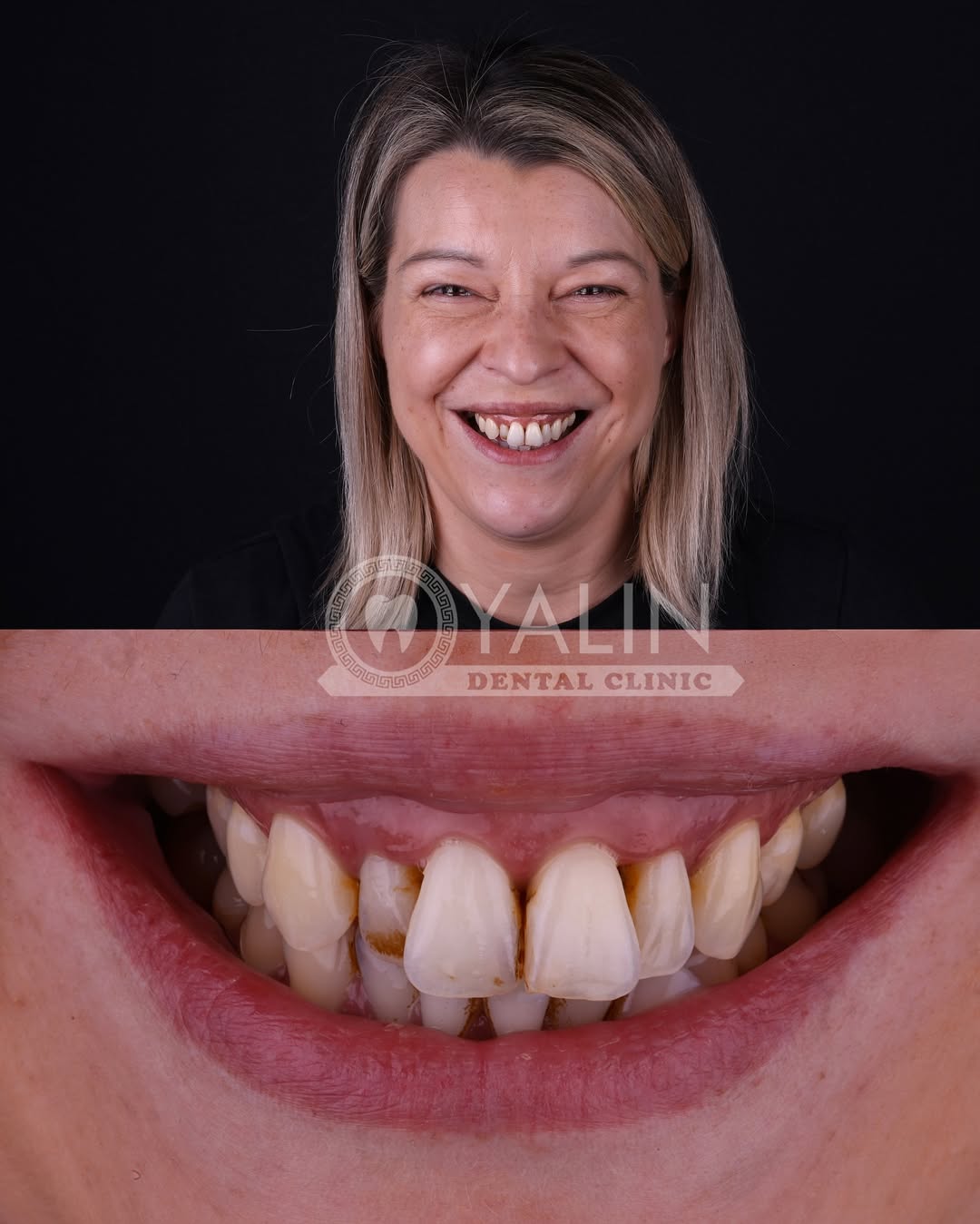
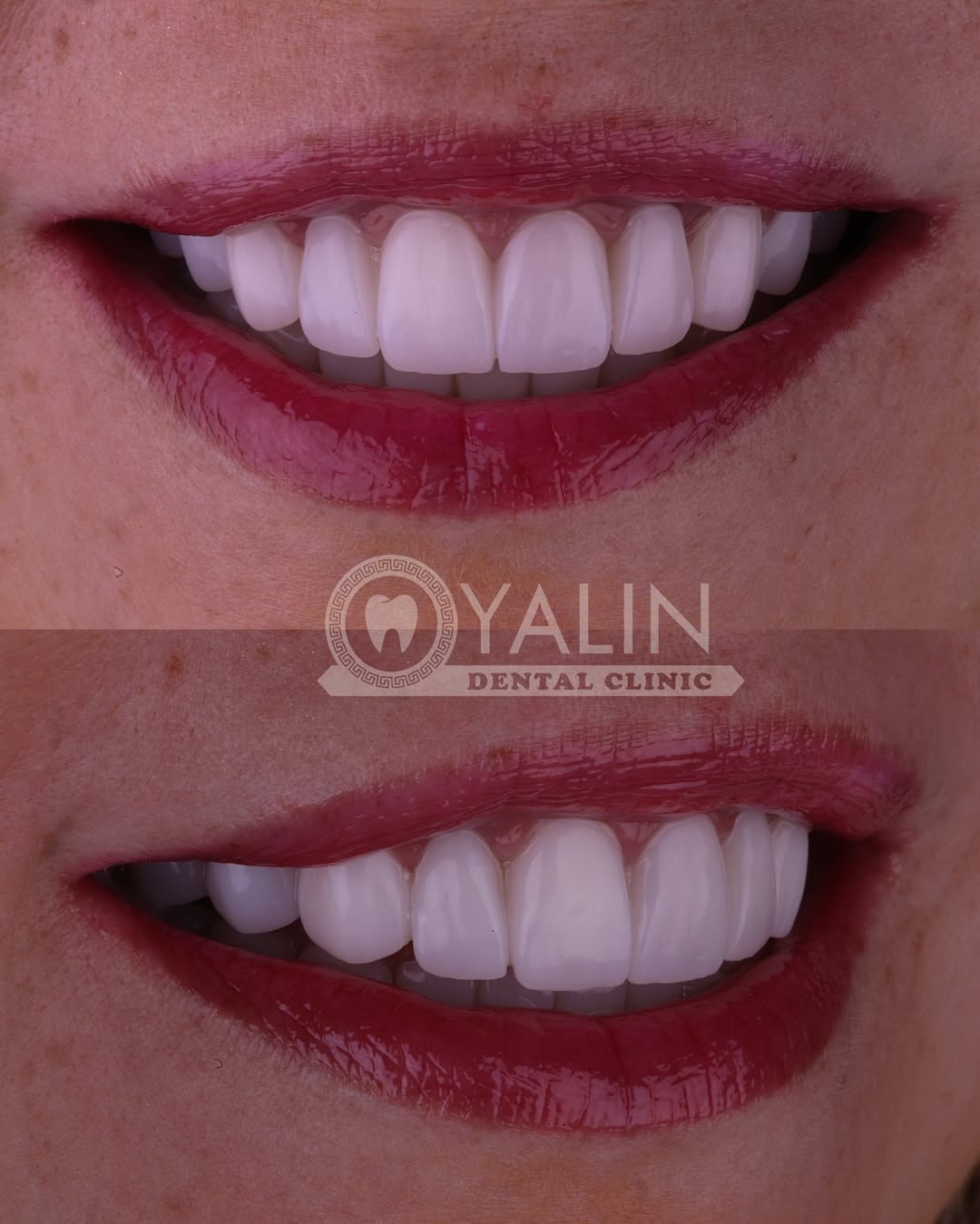
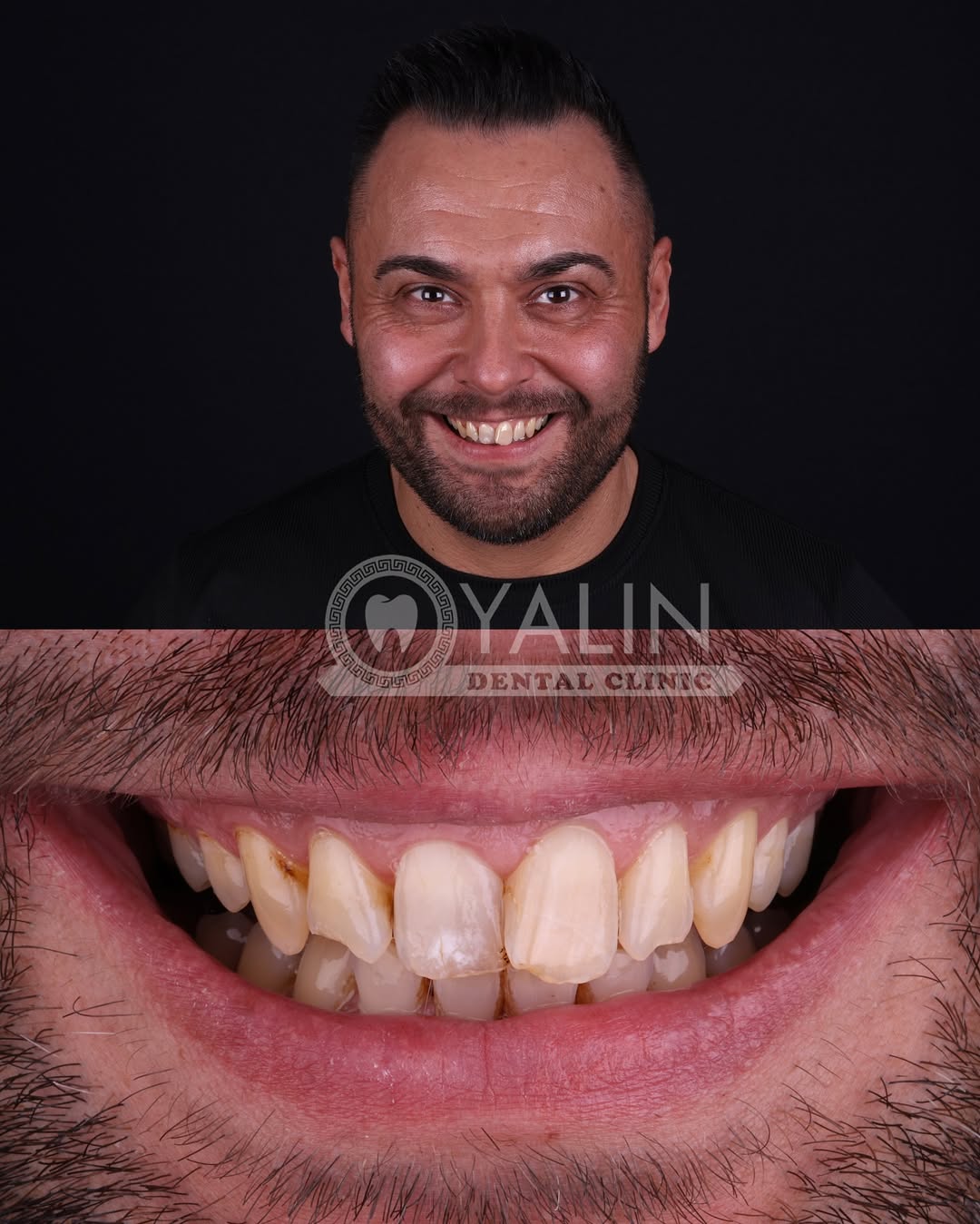
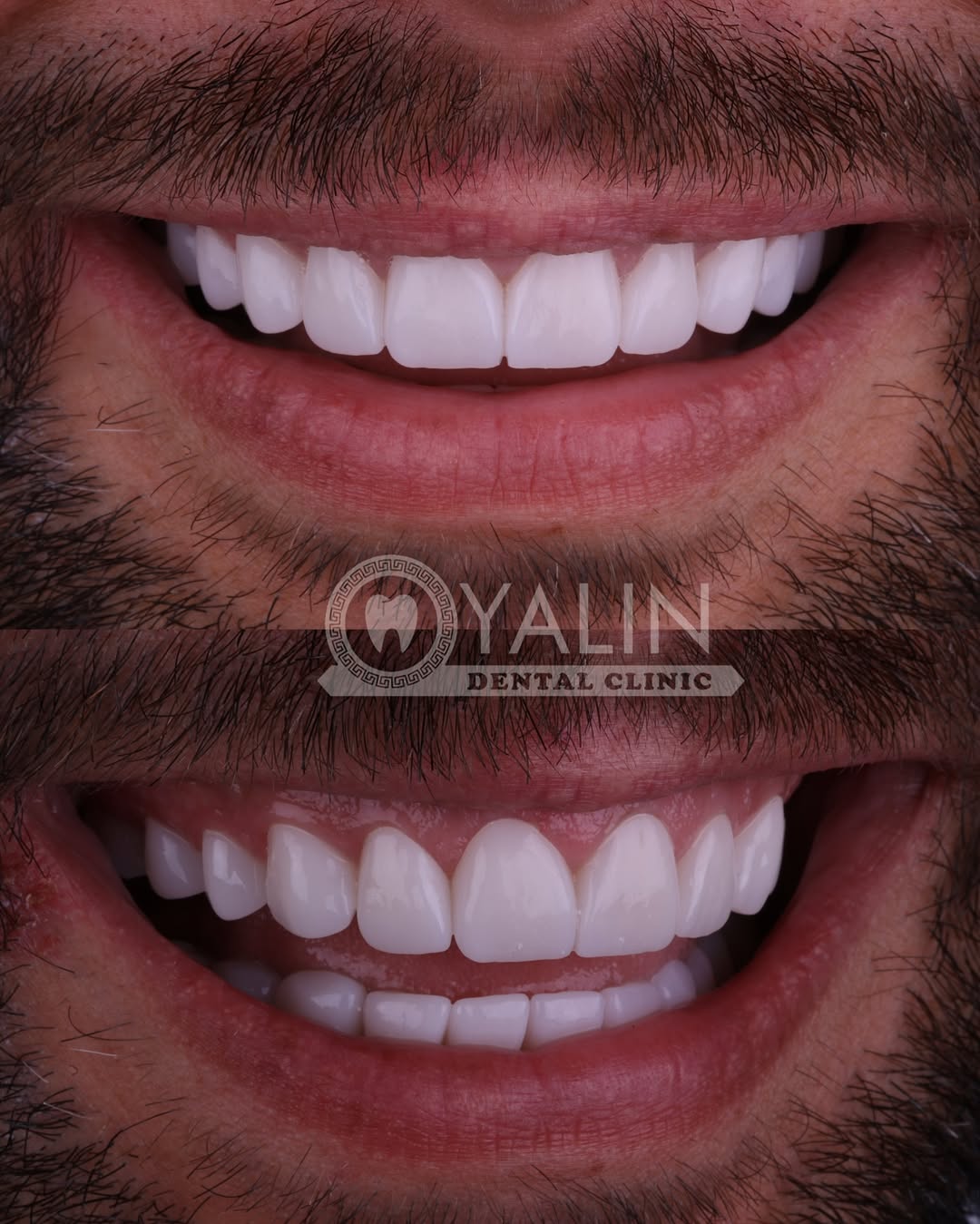
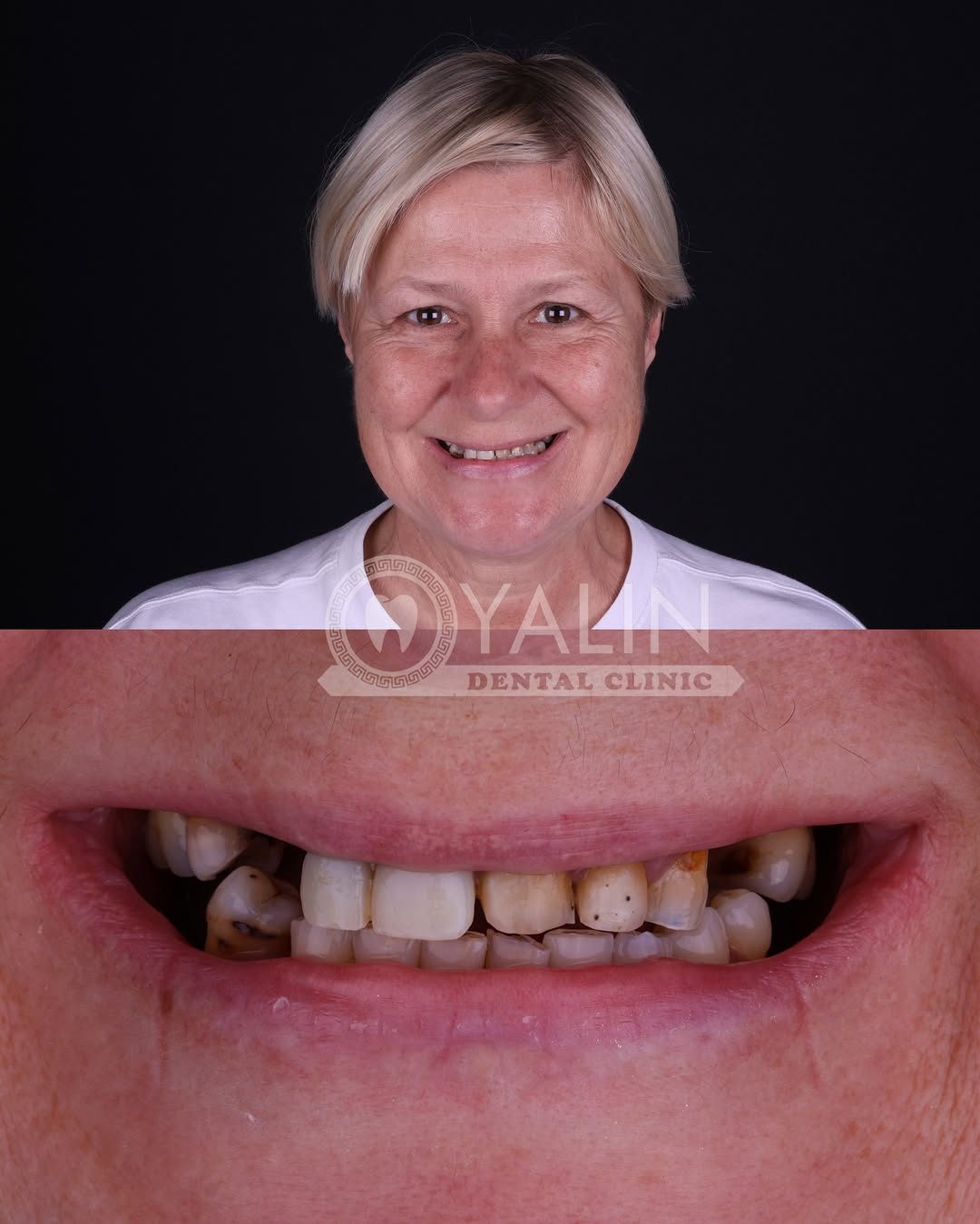
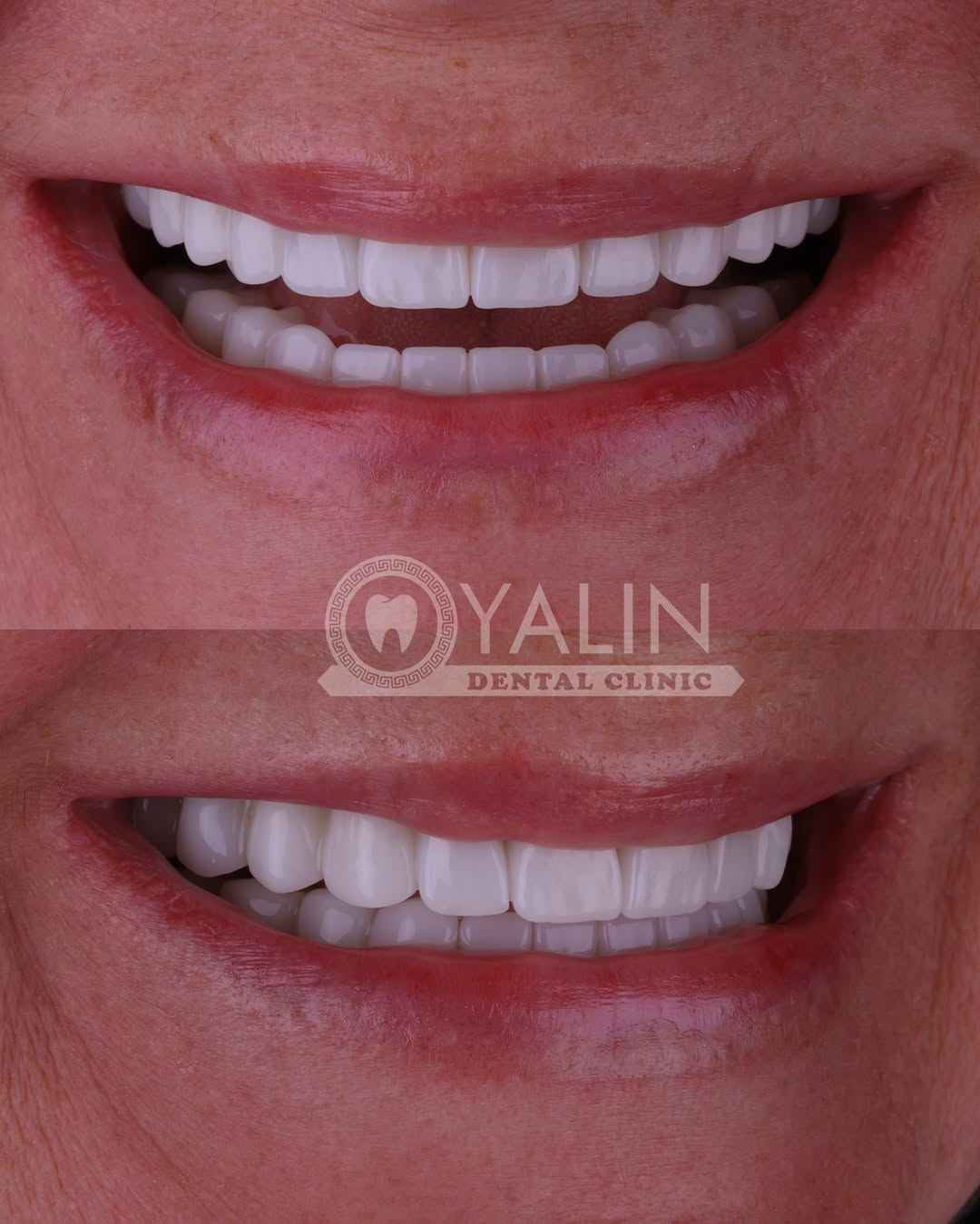
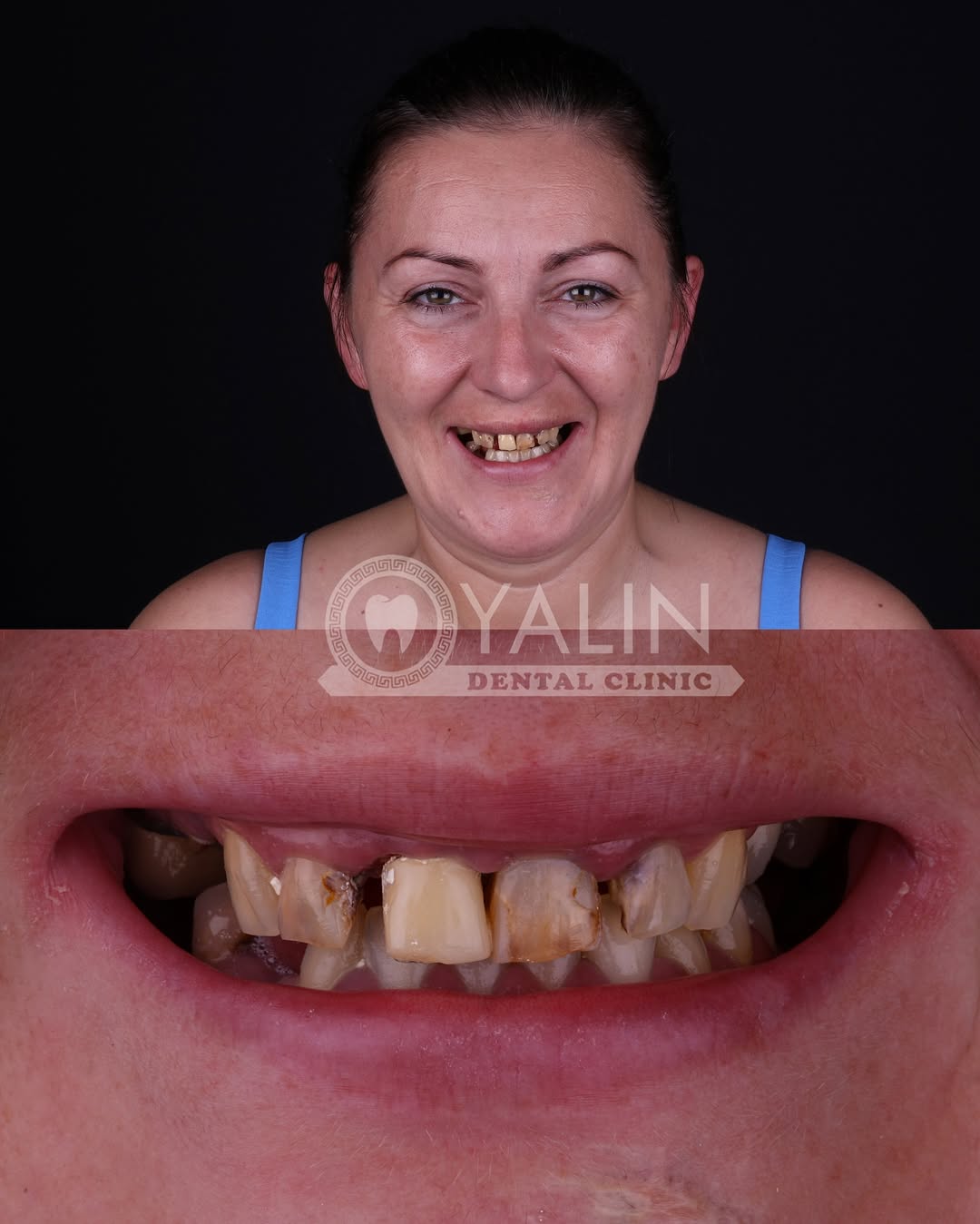
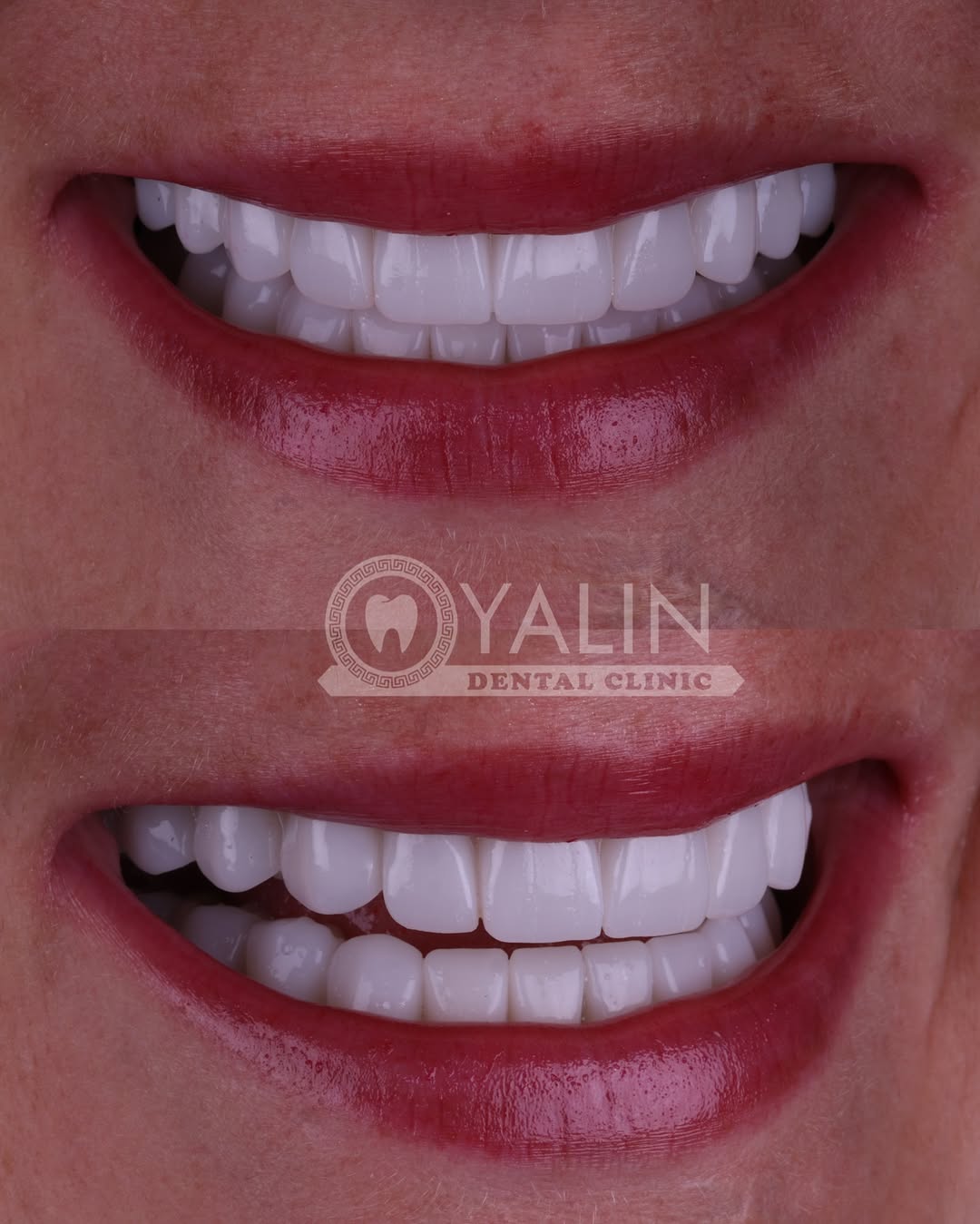
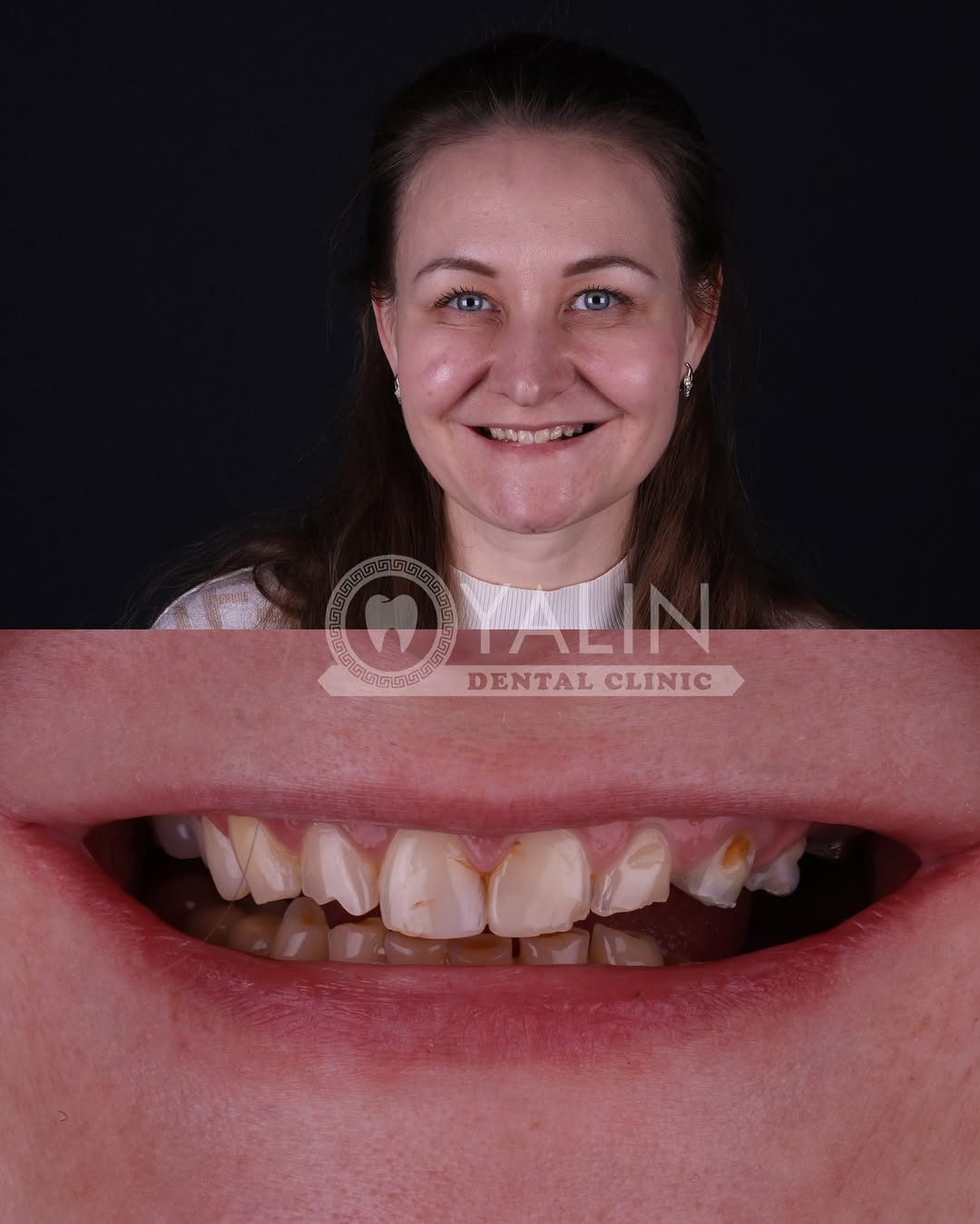
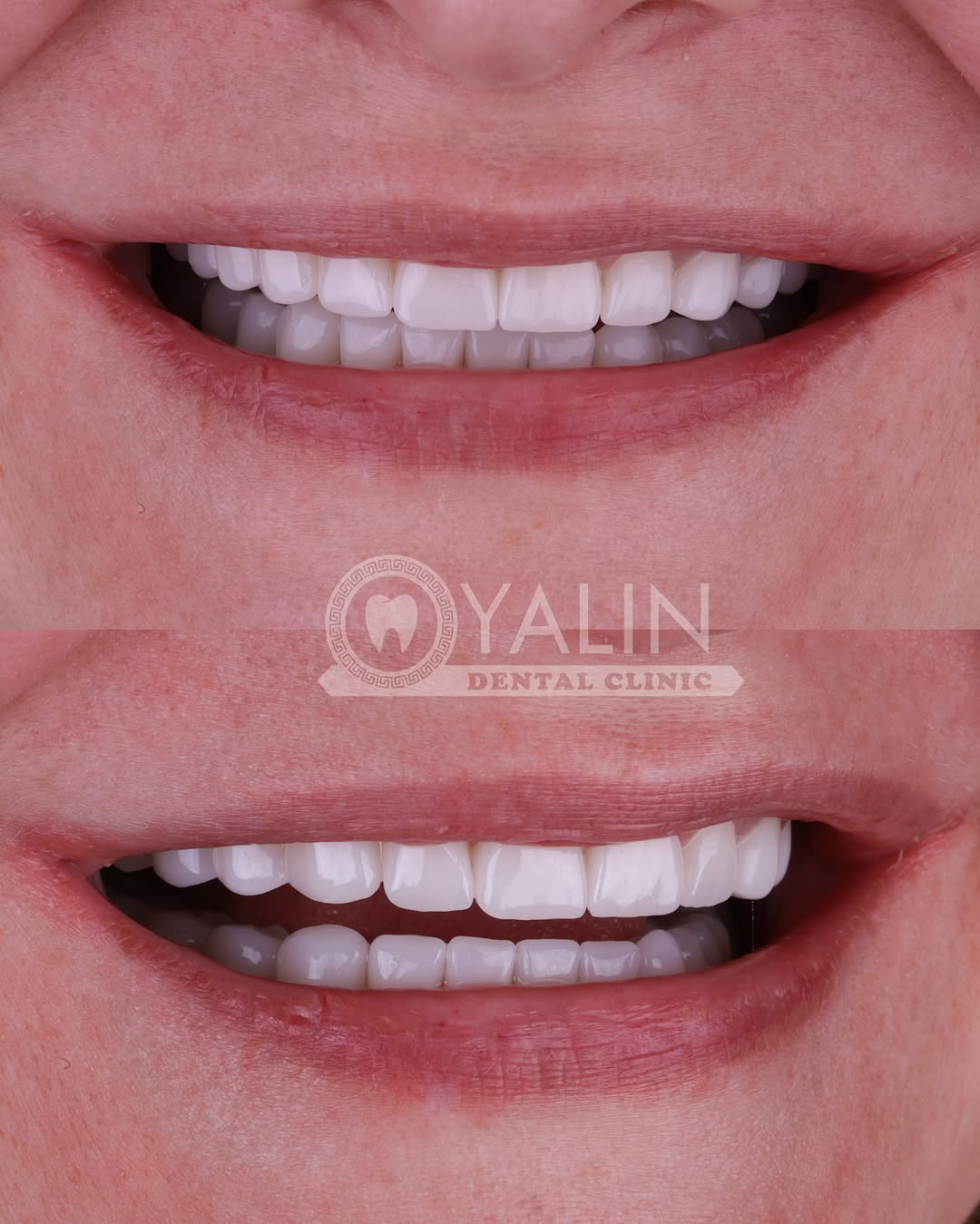
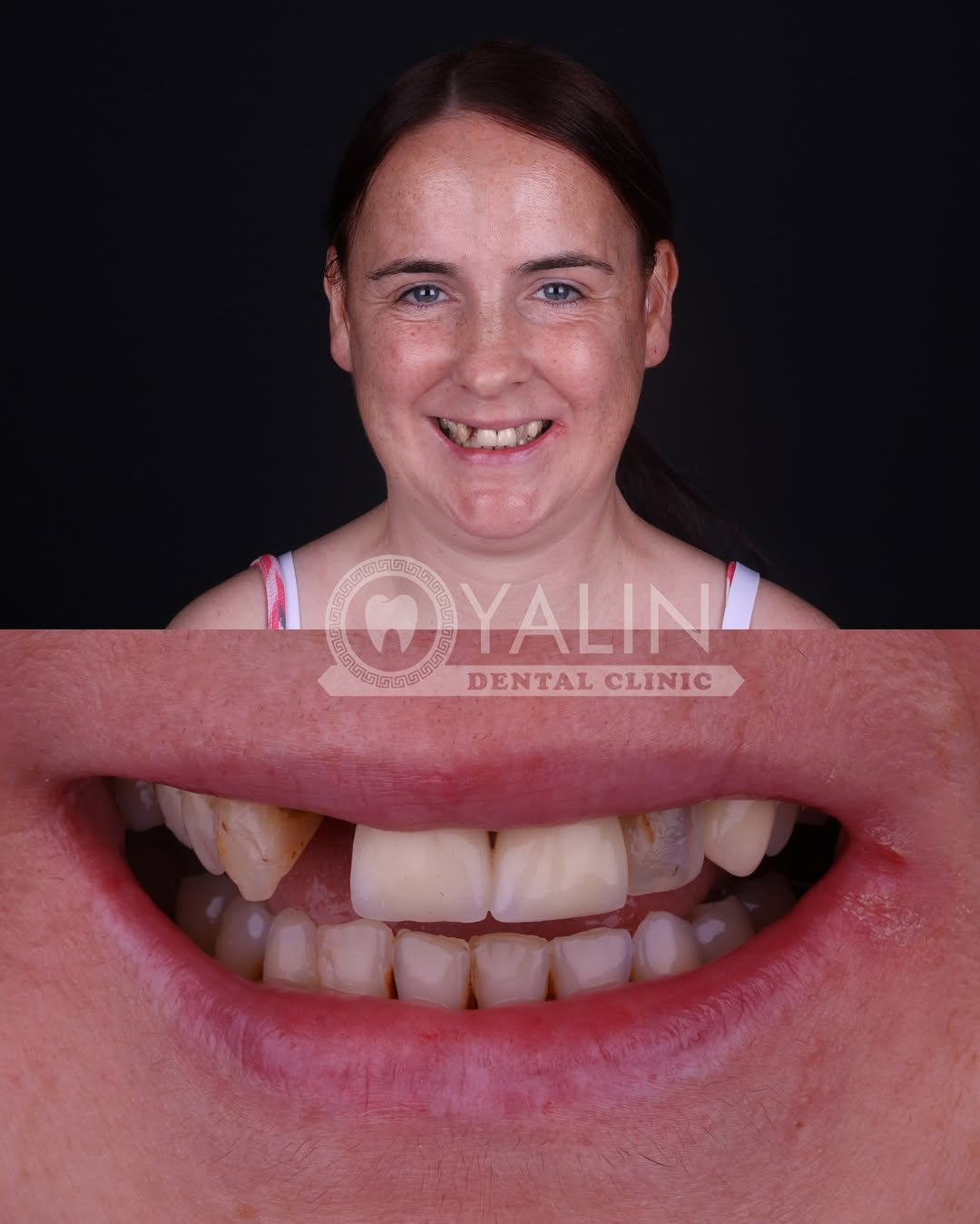
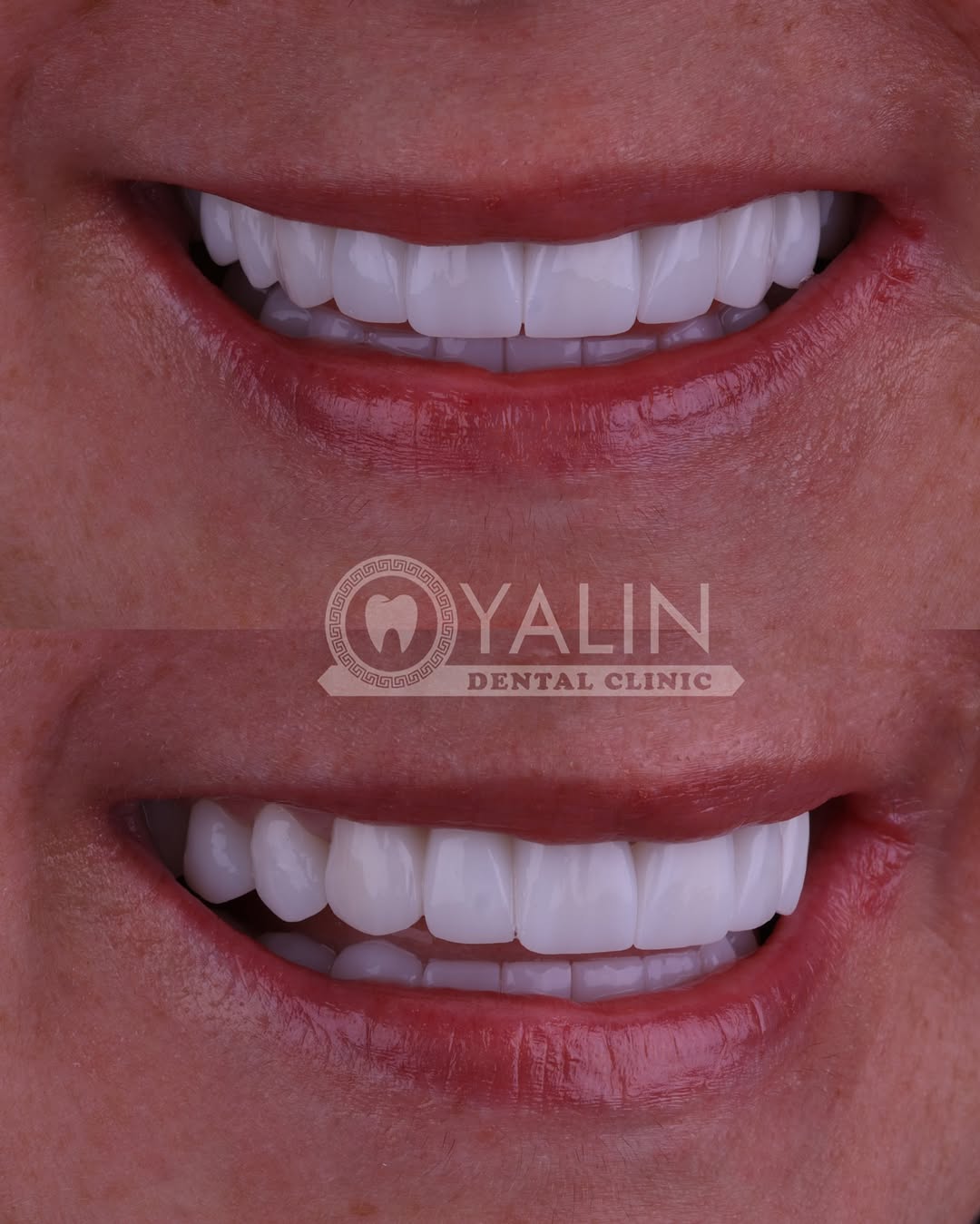
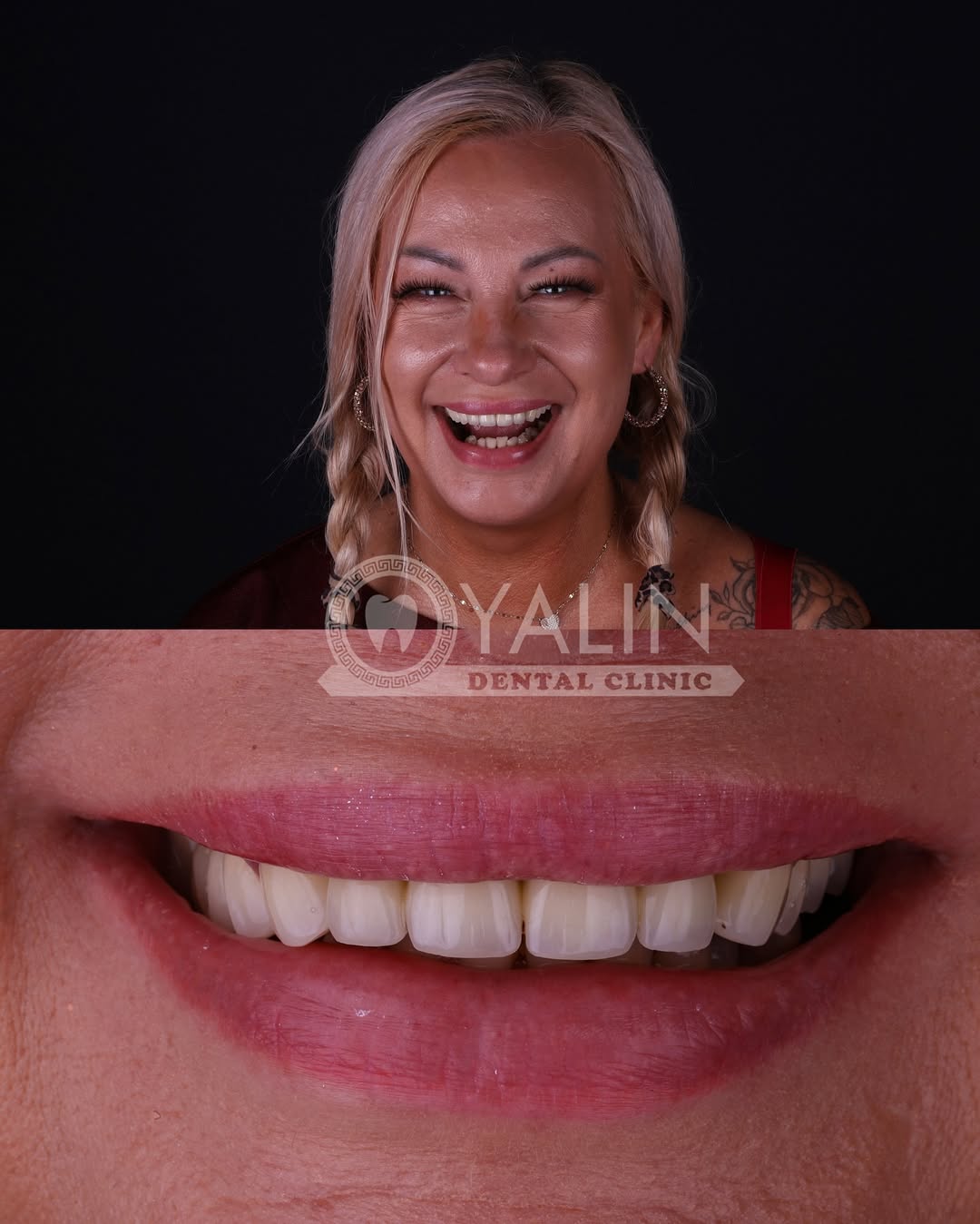
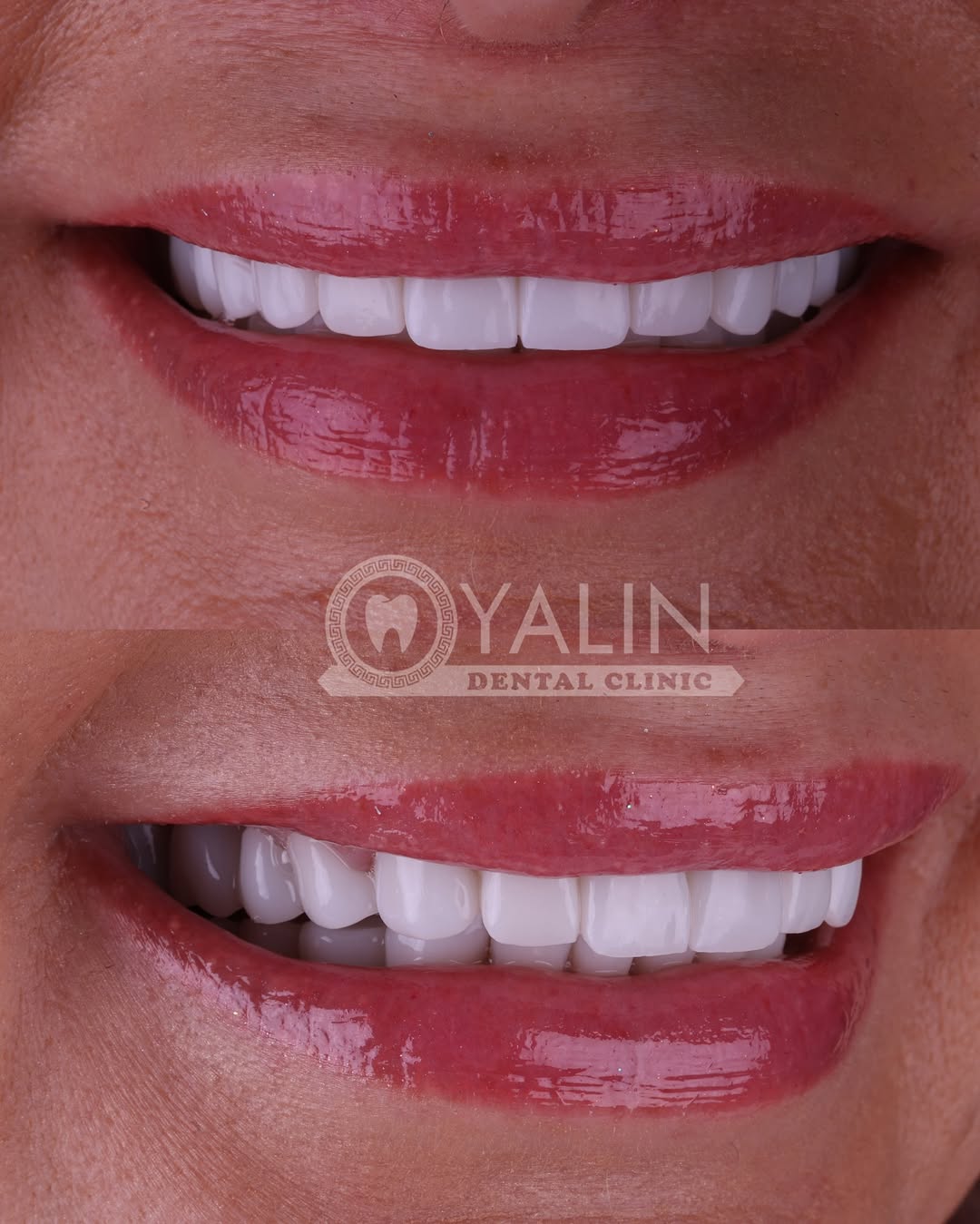
Zirconium Crown Before and After in Turkey, Antalya
Frequently Asked Questions
Are zirconium crowns good?
Yes, they are a strong, long-lasting, and natural-looking option for restoring damaged teeth.
Do zirconium crowns stain?
No, they don’t stain easily because the surface is smooth and non-porous.
But if oral hygiene is poor, the edges near the gums can still discolour over time.
Can you have a zirconia crown with porcelain?
Yes, zirconia crowns can be layered with porcelain to improve their natural look, especially for front teeth.
Will zirconia lose its colour?
No, zirconia doesn’t change colour over time because the material itself is stable and resistant to staining.
Does zirconia have an odour when placed?
No, zirconia itself has no smell, so you won’t notice any odor when it’s placed.
Is zirconia hypoallergenic?
Yes, zirconia is considered hypoallergenic because it’s biocompatible and very unlikely to cause allergic reactions.
Please contact us for more information.