







What is a dental crown?
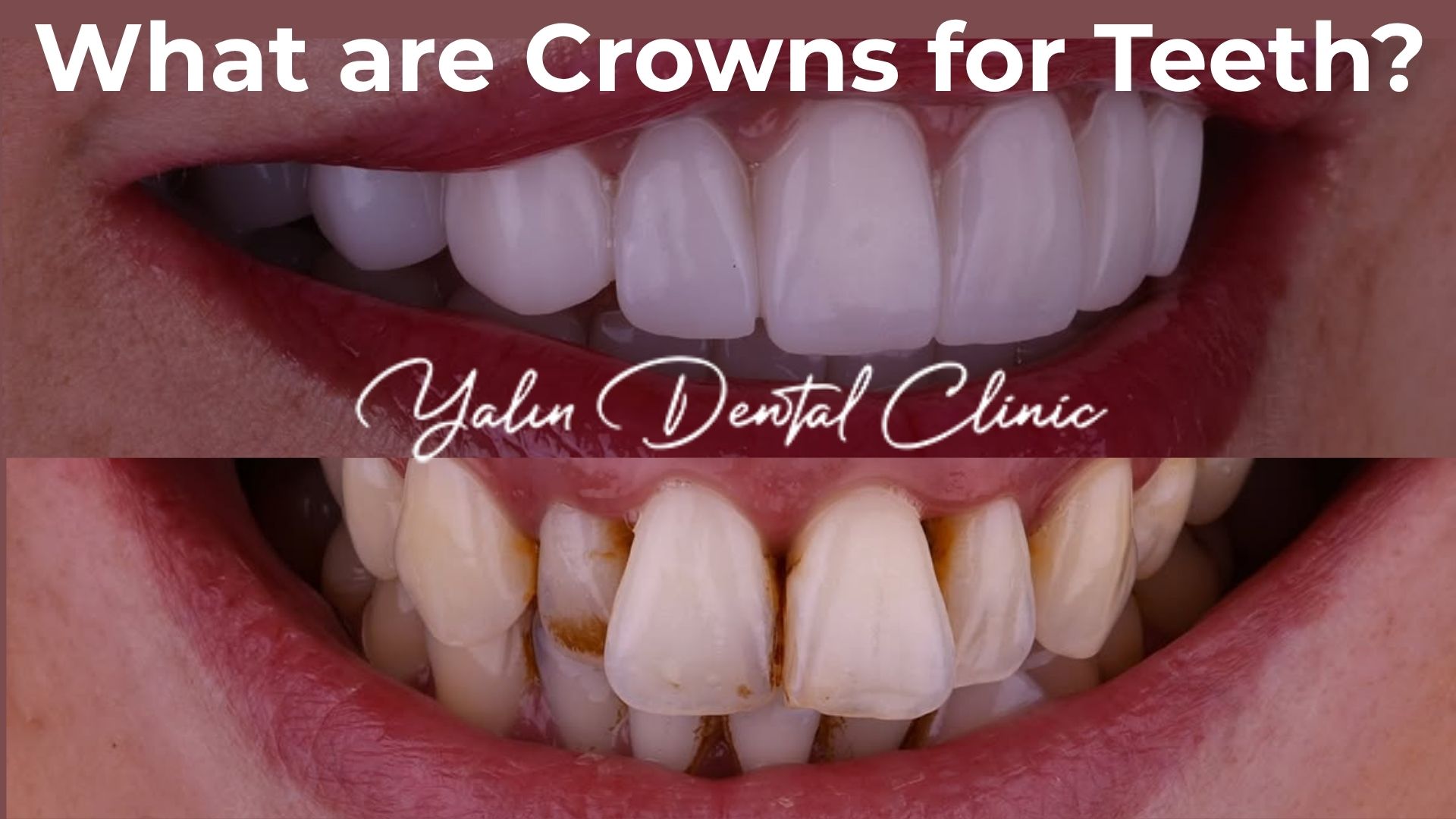
A dental crown is a tooth-shaped restoration for a damaged, weak, or heavily filled tooth. A crown protects the tooth, improves the shape of the teeth, and helps it work normally again.
What are dental crowns made of?
Zirconia, porcelain, ceramic, and metal are used for dental crowns. The dentist uses the material based on where the tooth sits, how much pressure it takes, how natural it should look, and how strong the crown needs to be.
What do crowns look like?
A dental crown is designed to look and feel like a natural tooth. Shape, size, and color are similar to the real one. The surface has the same small curves and details you see on a real tooth. Crowns placed on front teeth usually look more natural and transparent. But crowns on the back teeth are often made somewhat stronger to handle chewing.
Types of dental crowns
- Zirconia crowns: These are strong, natural-looking, and suitable for both front and back teeth.
- Porcelain crowns: Give a very natural appearance and work well for visible teeth.
- Ceramic crowns: Blend nicely with nearby teeth. Ceramic crowns are metal-free and can provide a natural-looking appearance.
- Porcelain-fused-to-metal crowns: These combine a strong metal base with a tooth-colored outer layer.
- Metal crowns: Metal crowns are highly durable, but they may not provide the most natural appearance and can sometimes show a darker line near the gum.
- Composite crowns: These are more affordable but can wear or stain sooner than other types.
Who is a good candidate for a dental crown?
You may be a good candidate for a dental crown if:
- Your tooth has a large filling.
- Your tooth feels weak or fragile.
- Part of the tooth has broken.
- The tooth has a deep crack.
- You have had root canal treatment.
- Your tooth is badly worn down.
- A dental implant needs a crown to replace the visible tooth.
- A dental crown may sometimes be considered for a severely discoloured or misshapen tooth when other cosmetic treatments are not suitable.
Tooth Crown Procedure in Turkey
The dentist first examines the tooth and may take an X-ray to check its condition. After numbing the area, the tooth is carefully reshaped so the crown can fit properly. The dentist then takes a digital scan or impression and places a temporary crown while the permanent crown is being made by the dental laboratory. At the final appointment, the temporary crown is removed, the fit and colour of the permanent crown are checked, and the crown is the permanent crown is securely fitted into place.
Recovery of dental crown
Recovery is usually quick. The numbness wears off in a few hours, and most people carry on with their day as normal. You may feel sensitivity to hot and cold for a few days. Mild sensitivity is common during the first few days and usually settles as the tooth adjusts to the new crown.
Avoid eating until the numbness has completely worn off to prevent accidentally biting your cheek, lip or tongue. For the first day, choose soft foods and avoid very hard or sticky foods. Be gentle while you are brushing around the crowned tooth. Floss carefully, especially if you have a temporary crown.
Mild sensitivity can be normal, but persistent or severe pain should be assessed by your dentist. Don't wait to call your dentist if the crown feels high when you bite, moves, comes off or keeps hurting after several days.
Advantages and Disadvantages of Dental Crowns
Advantages
- Protects a weak tooth
- Covers cracks and damage
- Improves tooth shape
- Makes chewing easier
- Looks like a real tooth
- Supports a large filling
- Can last many years
Disadvantages
- Needs some tooth shaping
- May feel sensitive at first
- Can chip or crack
- May come loose
- Needs good daily cleaning
- Can be costly
- May need replacing later
How long does a dental crown last?
Dental crowns can often last around 10 to 15 years or longer, depending on the material, oral hygiene, bite, lifestyle and regular dental care.
Dental crown costs in Turkey
A dental crown in Turkey usually costs around £150 to £350 per tooth, while prices in the UK and many European countries often start at £500 and can rise above£1,000. Dental treatment in Turkey can be more affordable than in the UK because operating, laboratory and staffing costs are generally lower. However, patients should compare dentist qualifications, materials, laboratory standards, treatment planning and aftercare rather than choosing a clinic based on price alone. A reputable clinic offers experienced dentists, modern equipment, and well-known crown materials at the same professional standard. You can also book your treatment quickly, without waiting for months. Prices can vary depending on the crown material, laboratory, dentist and complexity of the treatment.
Dental crowns on front teeth
Front tooth crowns restore the shape, color, and strength of damaged or heavily worn teeth. Dentists usually choose porcelain or zirconia because these materials blend well with the natural smile.
Dental Crown vs Dental Veneer
| Feature | Dental Crown | Dental Veneer |
|---|---|---|
| Coverage | Covers the whole tooth | Covers the front surface |
| Main purpose | Strength and repair | Shape and colour |
| Tooth damage | Moderate to severe | Mild cosmetic issues |
| Tooth shaping | More tooth structure removed | Less tooth structure removed |
| Best for | Weak or broken teeth | Stained or uneven teeth |
| Strength | Very strong | Less protective |
| Front teeth | Yes | Usually suitable |
| Back teeth | Often suitable | Usually not suitable |
| Lifespan | Around 10–15 years | Around 7–15 years |
| Cost | Usually higher | Usually lower |
Dental Crowns Before and After in Antalya, Turkey

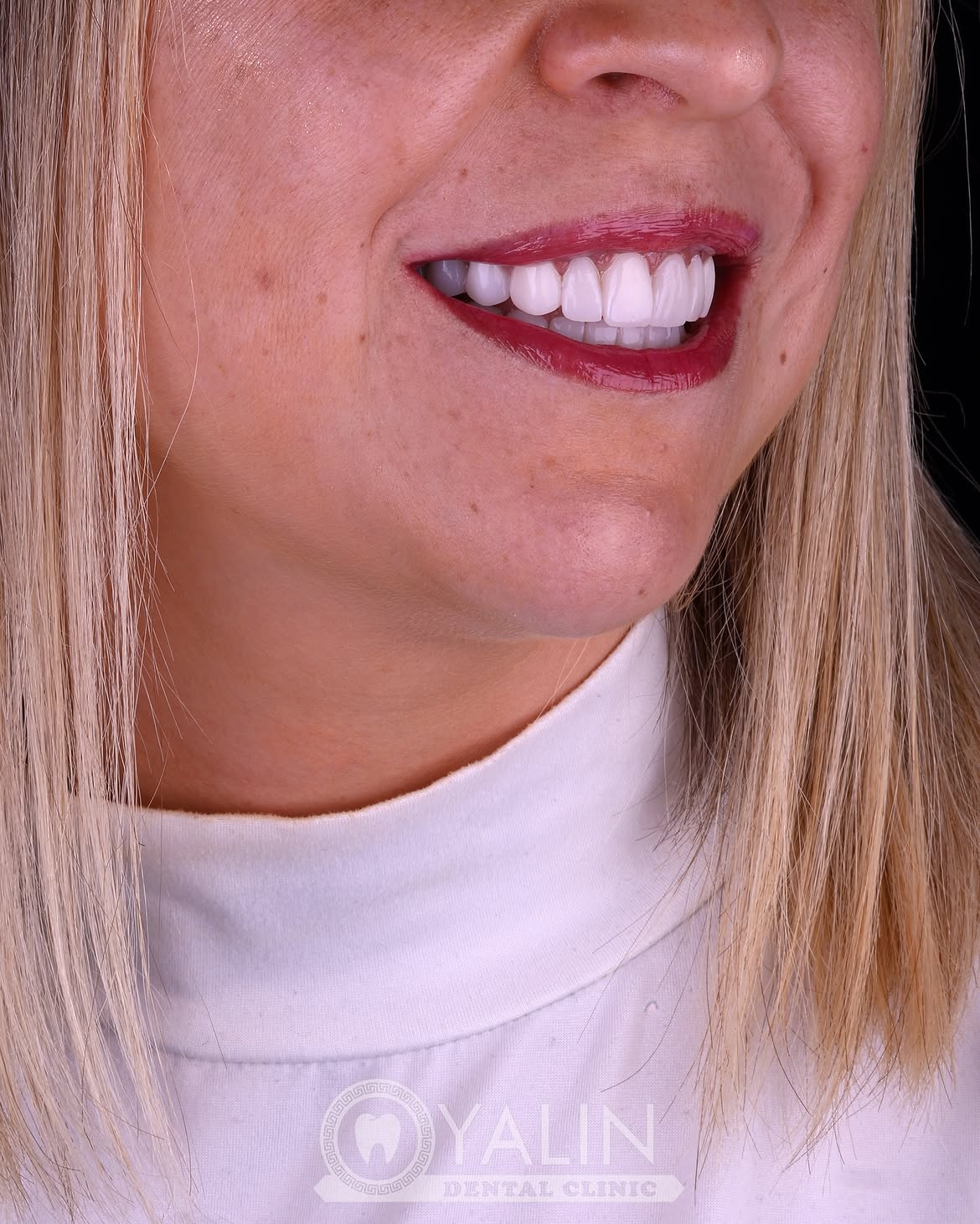
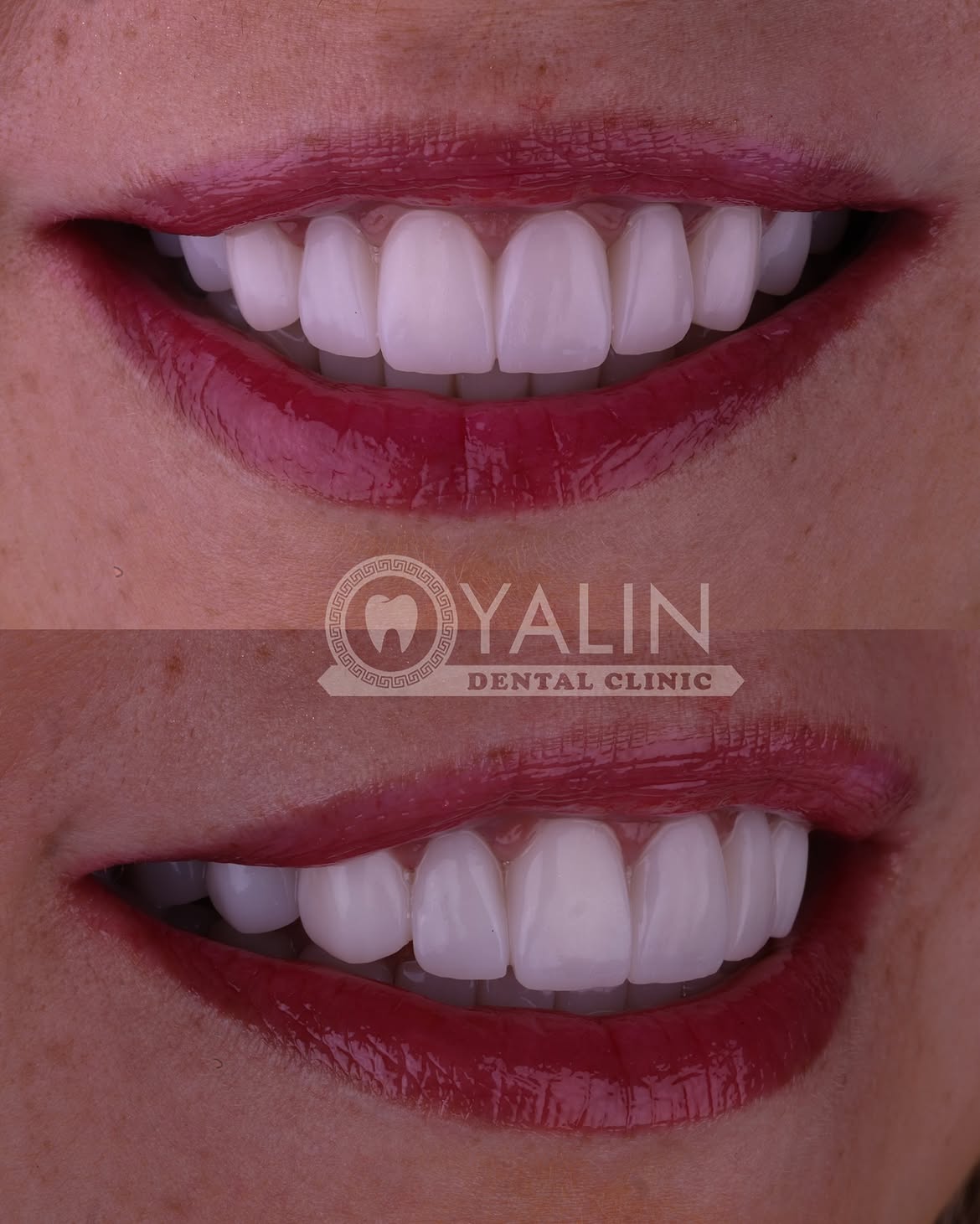
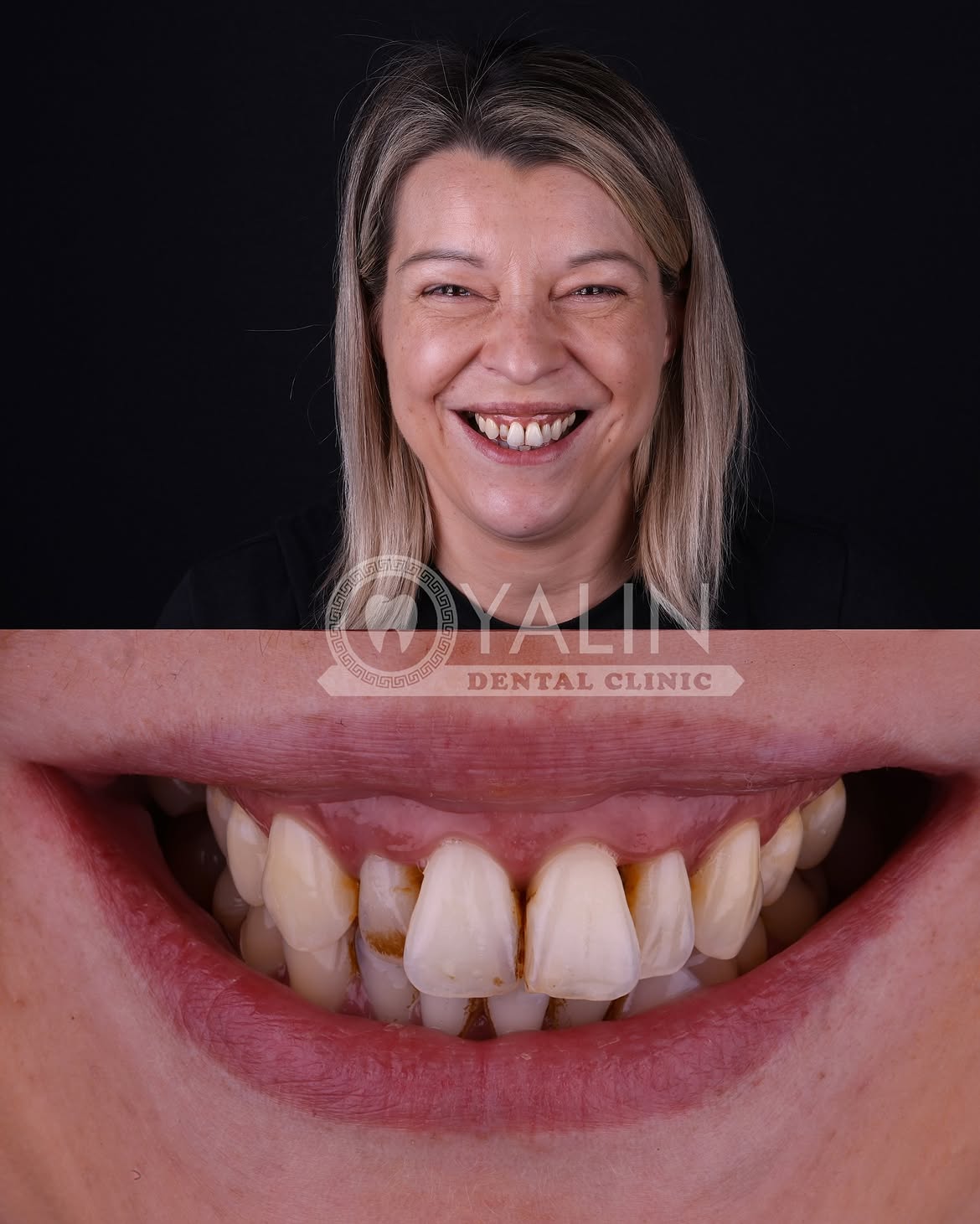


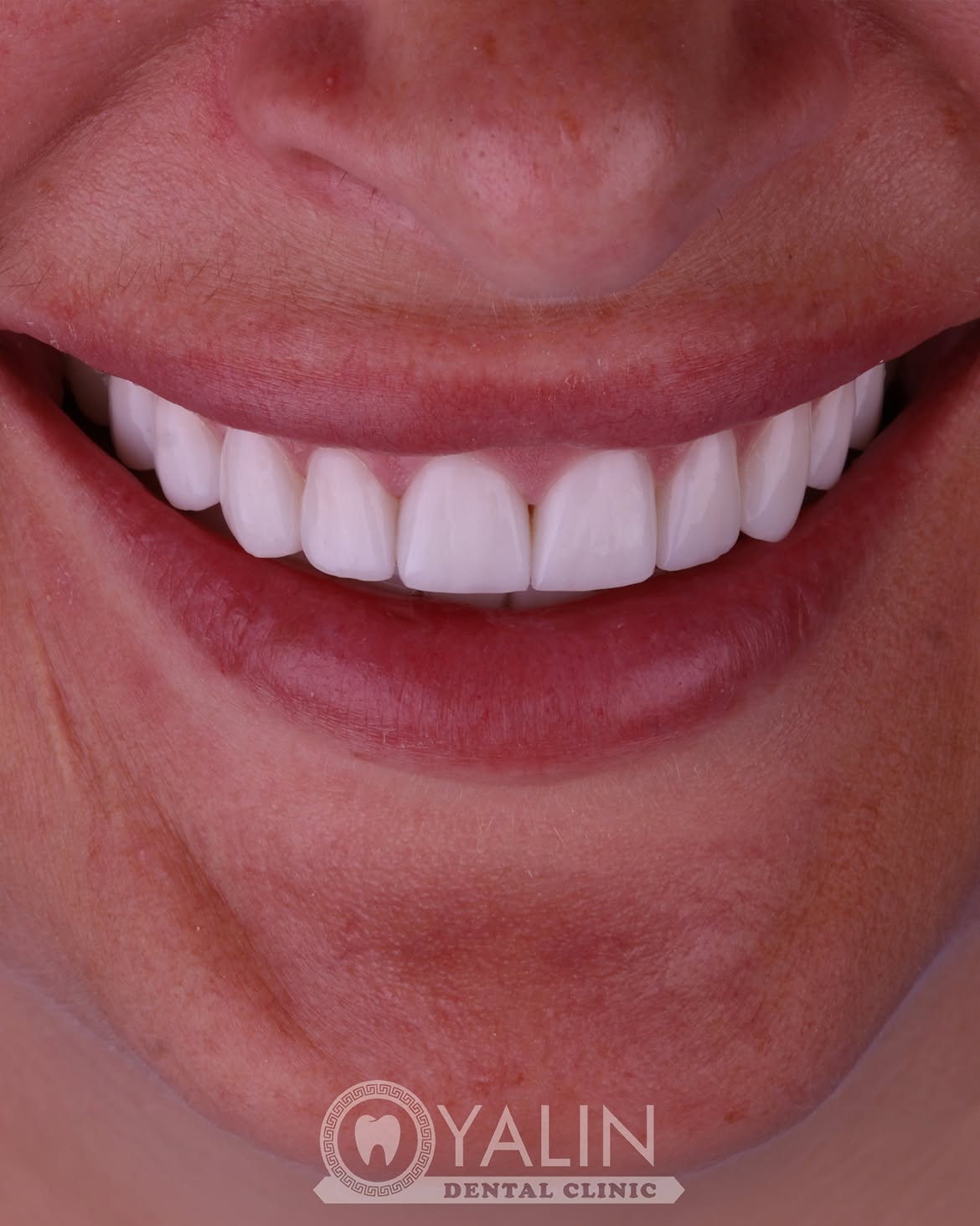
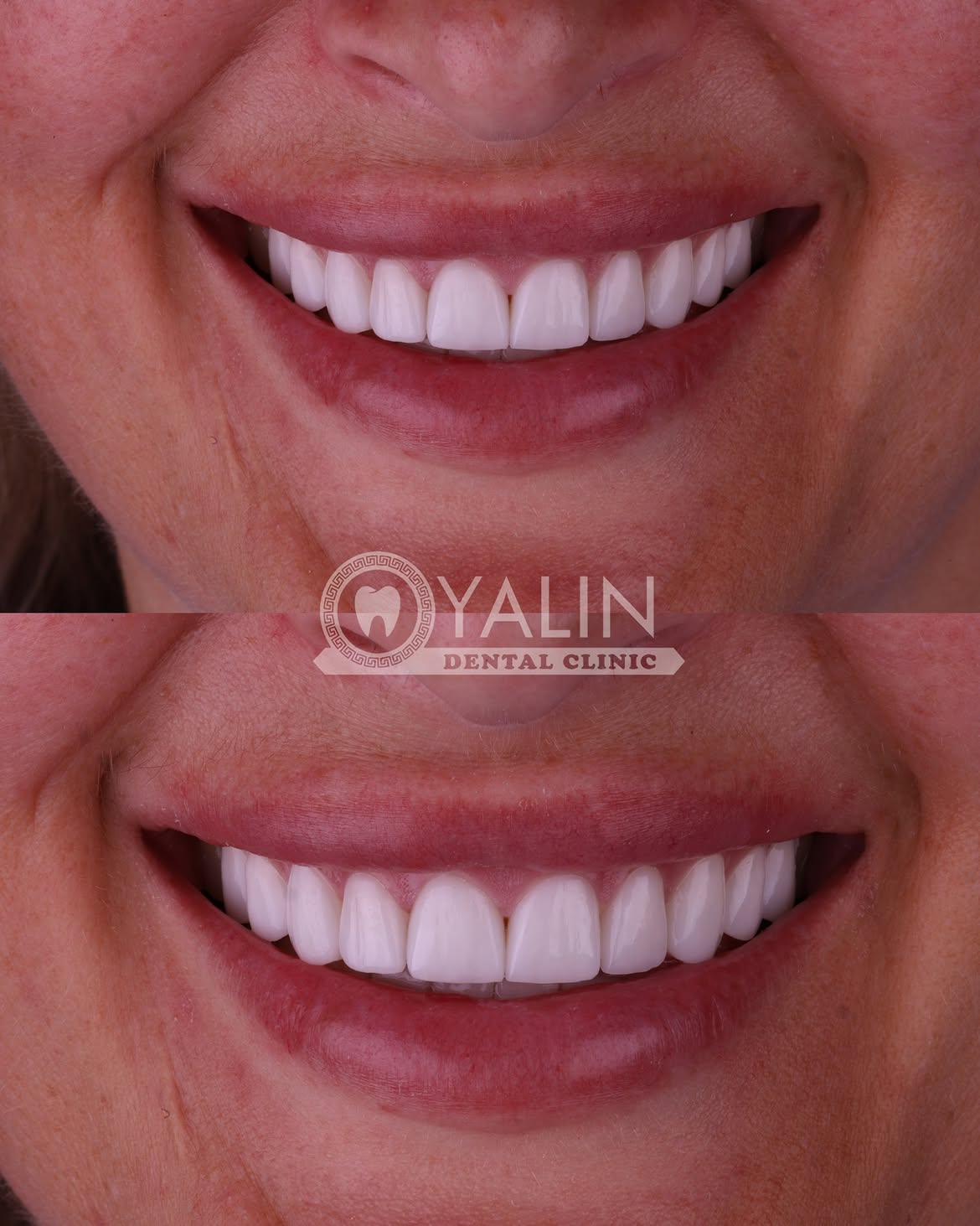
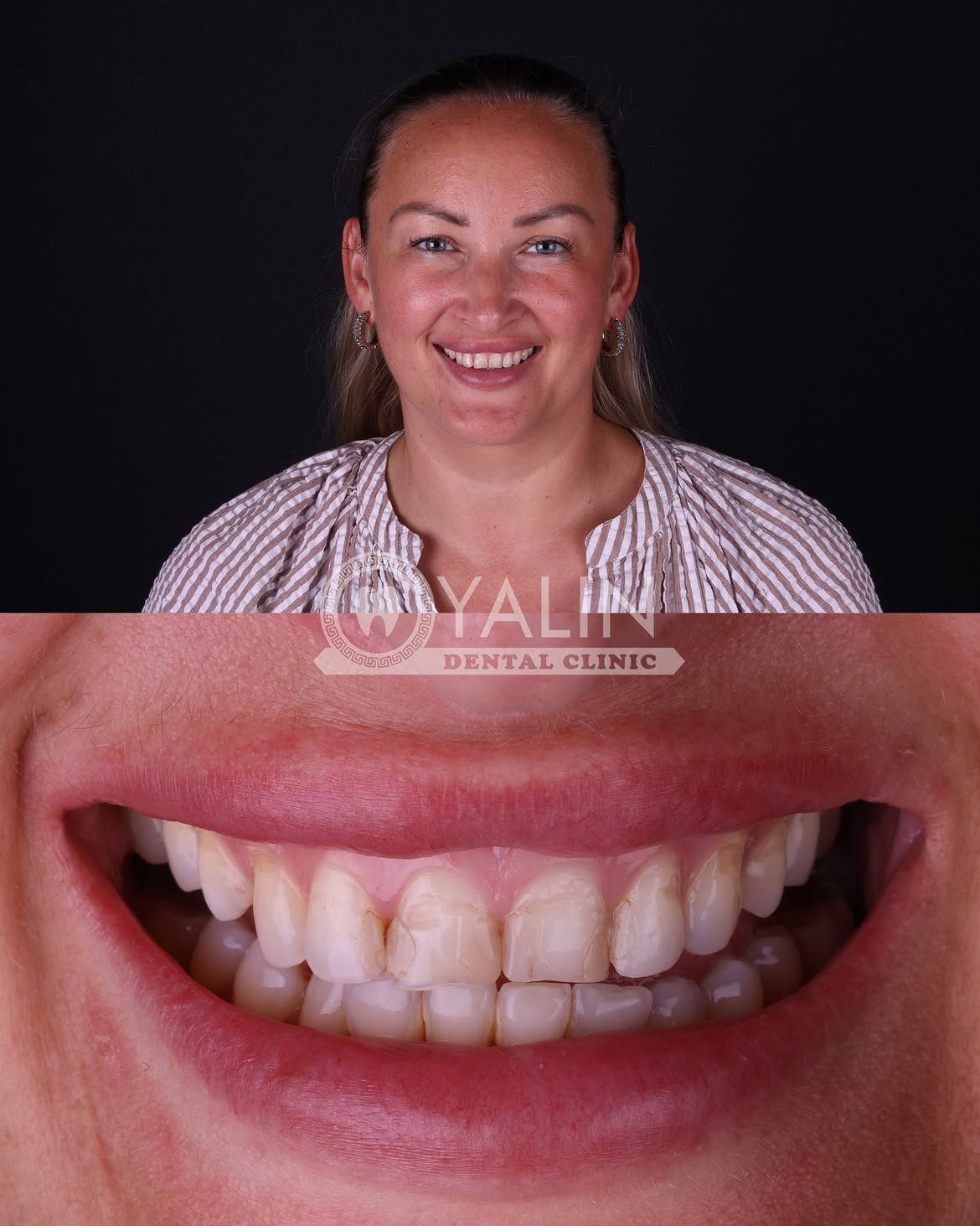


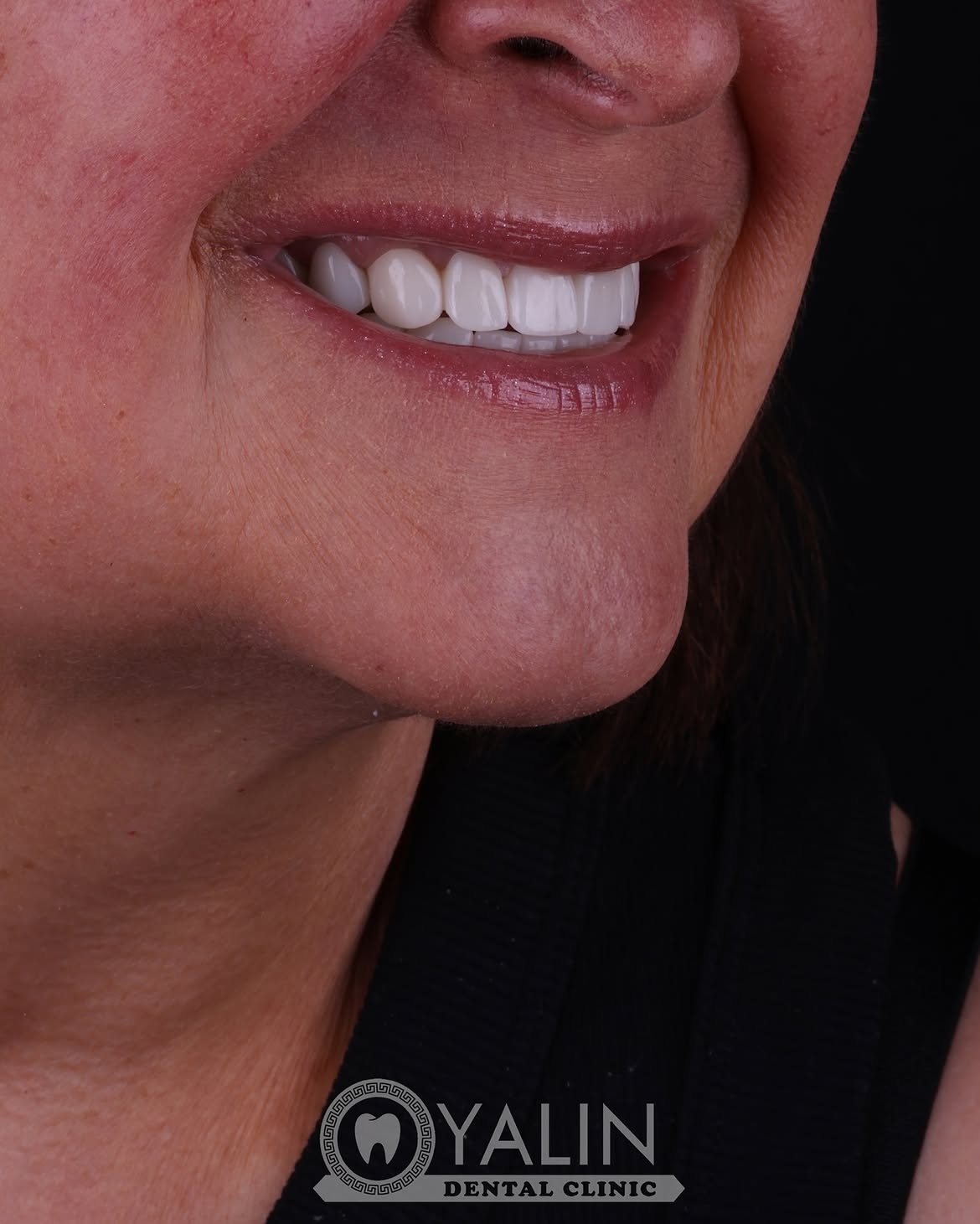
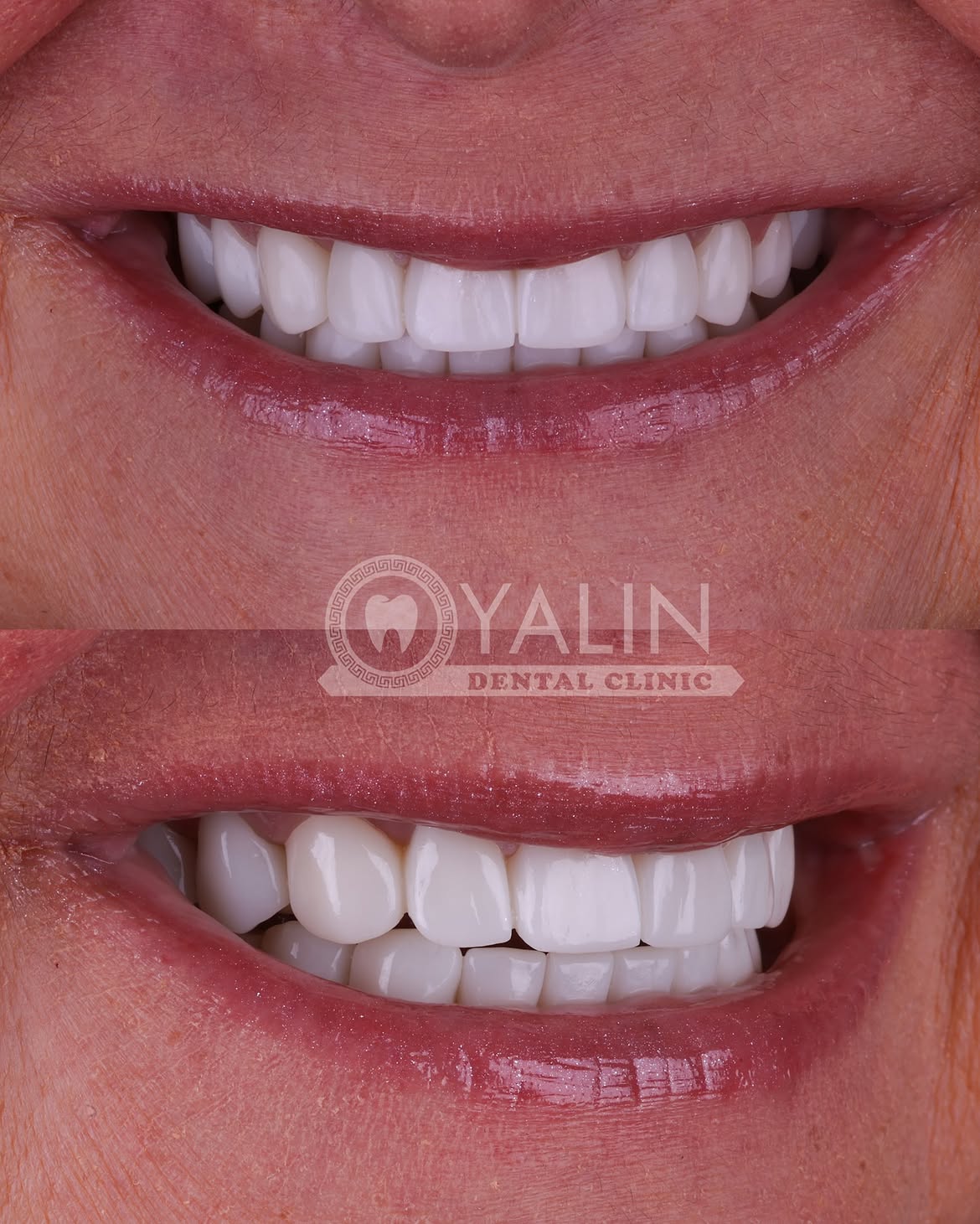
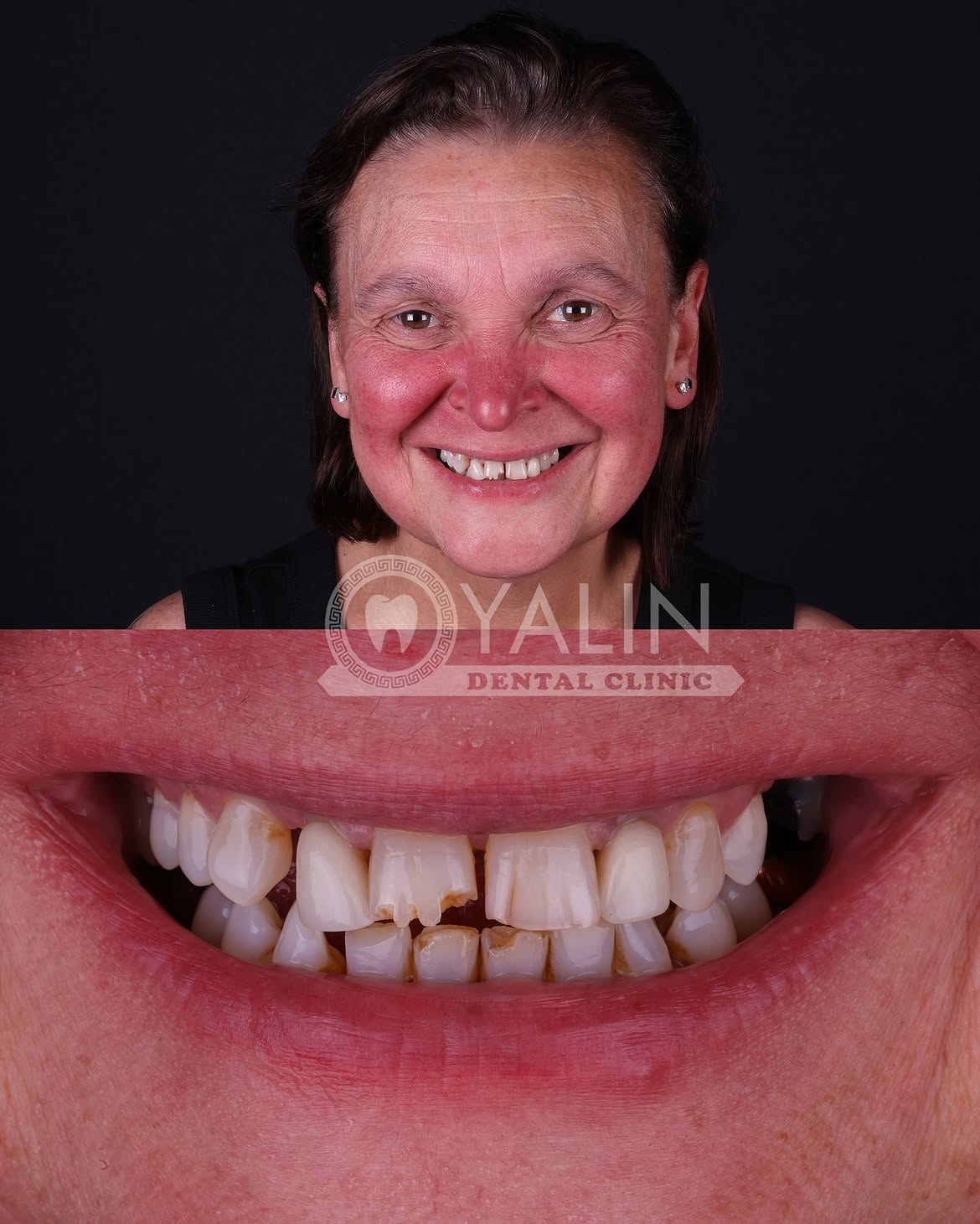
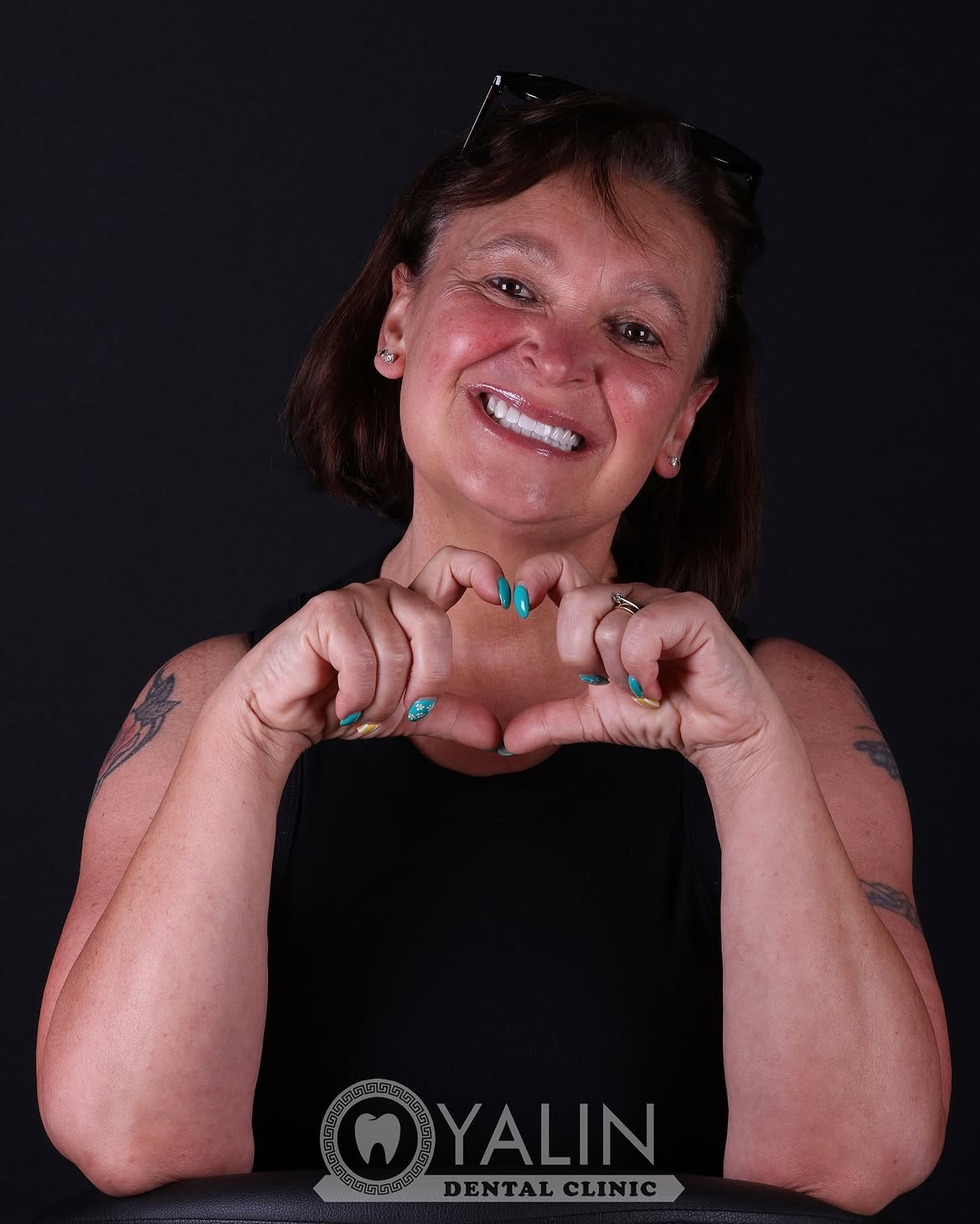
Before and after photographs can help patients understand the type of results that may be achieved with dental crowns.
Note
- Before and after images were taken in the same clinical environment and under the same technical conditions.
- Written and explicit patient consent has been obtained.
- This content is shared for informational purposes only.
- Results may vary from person to person.
Dental Crown Treatment in Turkey: What to Consider
Choosing dental crowns in Turkey can offer patients a combination of modern dental technology, experienced dentists and competitive prices. Antalya is a popular choice for international patients seeking crowns, with treatment options including zirconia, porcelain and ceramic crowns. Before choosing a clinic, patients should consider the dentist’s experience, crown materials, laboratory standards, treatment planning and aftercare rather than focusing on price alone.
Frequently Asked Questions
What is dental cap?
A dental cap is another name for a dental crown. It is a custom-made restoration that covers and protects a damaged or weakened tooth.
Is it painful to get a dental crown?
NThe area is normally numbed with local anaesthetic, so you should not feel pain during the procedure, although you may feel pressure.
Are crowns better than veneers?
Not necessarily. Dental crowns are generally more suitable for teeth that are weak, broken or heavily restored because they cover the entire tooth. Veneers are usually used for healthier teeth when the main concern is cosmetic, such as tooth colour, shape or minor imperfections.
How long do crowns last on front teeth?
With proper care, a front tooth crown can stay in good condition for 10 to 15 years or even longer.
How much does a dental crown cost in Turkey?
Dental crown prices in Turkey typically range from £150 to £350 per tooth, depending on the material (porcelain, zirconium, or e.max) and the clinic's location and experience. This is more cheaper than equivalent treatments in the UK or the US.
Are dental crowns cheaper in Turkey than in the UK?
Yes, significantly. A single crown in the UK can cost £500-£1,000, while the same treatment in Turkey usually costs £150-£350. Lower operating, laboratory and staffing costs can make dental treatment in Turkey considerably more affordable than in the UK. Patients should still compare dentist qualifications, materials, laboratory standards, treatment planning and aftercare when choosing a clinic.
What is the best material for a dental crown?
There is no single best material for every dental crown. Zirconia offers excellent strength and can provide a natural appearance, while E.max is often chosen for front teeth because of its translucency. The most suitable material depends on the tooth's position, condition, bite and aesthetic requirements.
Can you eat normally with a dental crown?
Yes, once the permanent crown has been securely fitted, most people can eat normally. However, it is sensible to avoid biting very hard objects or foods that could damage the crown.
Can a dental crown fall out?
It's uncommon but possible, usually due to worn-down cement, tooth decay beneath the crown, or an ill-fitting crown. With proper placement, good oral hygiene, and regular dental check-ups, a well-fitted crown can last 10-15 years or longer without issues.
Can you get a crown after a root canal?
Yes, a crown is often recommended after a root canal, especially on back teeth, since the treated tooth can become more brittle and prone to fracture. The crown protects the tooth and restores its full chewing function and appearance.
If you would like to learn more about dental crowns or receive a personalised treatment plan and quotation, contact our team today to arrange your consultation.