







Although the term "Turkey Teeth" has become popular on social media, it does not refer to a single dental procedure. Instead, it is an informal expression used to describe cosmetic dental treatments such as porcelain veneers, E-max veneers, zirconia crowns, and smile makeovers performed in Turkey. Over time, this term has evolved into a general concept referring to dental tourism to Turkey. In reality, ‘Turkey Teeth’ encompasses a wide range of procedures, from minimally prepared porcelain veneers to crown treatments, all carried out by specialist prosthodontists. In this process, the correct choice of clinic and treatment planning are the most important factors in ensuring that the result will bring lifelong satisfaction.
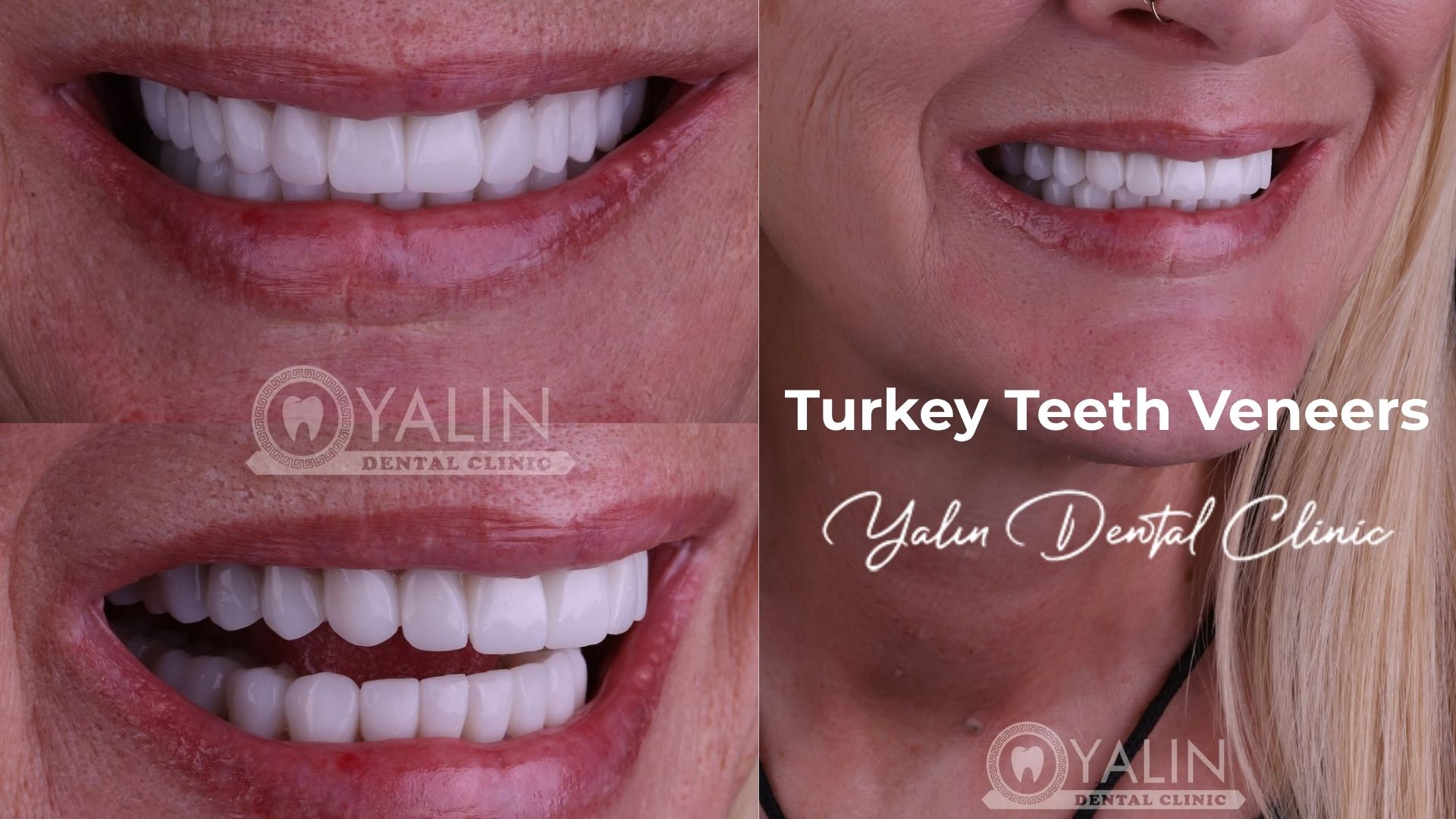
What are dental veneers?
Dental veneers are extremely thin, tooth-colored shells bonded to the outer surfaces of the teeth—particularly the front teeth—to improve their aesthetic appearance. These restorations offer a far more conservative approach compared to crowns, which require the entire tooth to be reduced. The primary purpose of veneers is to mask permanent discoloration, correct structural anomalies (such as small or pointed teeth), and close minor misalignments or gaps in the dental arch.
Why dental veneers in Turkey?
Turkey has become a global leader in dental tourism because international patients can save up to 70–75 percent, even after factoring in travel costs. This low cost does not mean lower quality; on the contrary, Turkey’s low operational expenses enable clinics to offer world-class treatments at much more affordable prices.
Furthermore, clinics in cities such as Antalya and Istanbul can complete treatment in as little as 5–7 days thanks to CAD/CAM digital scanning systems and fully equipped in-house laboratories. Many clinics offer "all-inclusive" packages, which include VIP transfers, accommodation, and treatment planning, making the process hassle-free for patients.
Types of dental veneers
Dental veneers are categorized according to the material used and the method of tooth preparation:
- Porcelain (ceramic) veneers: This is the group with the highest aesthetic success rate and is further divided into two subgroups: feldspathic porcelain and lithium disilicate (E-max).
- Composite veneers: These are resin-based veneers applied directly in the mouth (direct) or prepared in the laboratory (indirect); they are more economical but do not last as long as porcelain.
- Ultra-thin (dental contact lenses): These models, produced with a thickness of just 0.3 mm or less, can be applied without any tooth reduction or with minimal intervention.
- Other types: Depending on the preparation design, there are various technical types, such as 'window,' 'bevel,' or 'overlap,' depending on how the tip of the tooth is covered.
E-max dental veneers
E-max is a lithium disilicate-based glass-ceramic. The most distinctive feature of E-max veneers is that they perfectly mimic the translucency of natural tooth enamel and do not render the tooth a "lifeless" appearance.
In terms of durability, E-max is approximately 2.5 times stronger than traditional porcelain and is resistant to fracture. Thanks to its strong structure, it can be produced in very thin layers (0.3–0.5 mm), which allows for less tooth structure to be removed during preparation. It can be manufactured both by milling from blocks using computer-aided design and manufacturing (CAD/CAM) systems and by high-temperature pressing.
Dental composite veneers
Composite veneers are a method that uses tooth-colored filling materials (resin) to correct aesthetic imperfections. When performed using the direct method, the dentist shapes the material layer by layer onto the tooth during a single appointment.
The main advantage of this method is that it is much cheaper and quicker than porcelain veneers. Furthermore, they can be applied without damaging the tooth (sometimes without any grinding at all) and are relatively easy to repair. However, it is important to note that composites do not last as long as porcelain (on average 5–7 years), may discolor over time due to food stains or smoking, and carry a higher risk of wear.
Porcelain dental veneers
Porcelain veneers are very thin porcelain shells bonded to the front surface of the tooth and are the most popular method for permanent smile makeovers. The glass-like surface of the porcelain is even more resistant to stains from smoking or coffee than natural teeth.
When applied with the correct case selection and meticulous technique, porcelain veneers have a remarkable lifespan of between 10 and 20 years. Although they may appear thin and delicate on their own, once bonded to the tooth enamel with adhesive resins, they function as an integral part of the tooth and gain significant strength against high biting forces.
Dental veneers for missing teeth
Dental veneers cannot replace missing teeth. Instead, they improve the appearance of existing teeth and can sometimes create the illusion of a more balanced smile in carefully selected cases.
For example, in patients born without upper lateral incisors, the canines can be reshaped using veneers to give them the appearance of lateral incisors; this compensates for gaps and asymmetry in the dental arch. Furthermore, in closing wide gaps (diastemas) between teeth, they create an optical illusion by widening the shape of the teeth, thereby eliminating the appearance of missing teeth.
Dental veneers pros and cons
It is important to weigh up the pros and cons before having veneers fitted:
Advantages (Pros):
- Natural appearance: Thanks to their translucency, they look like your teeth rather than artificial ones.
- Preservation: This method causes the least damage to healthy tooth structure compared to traditional crowns.
- Stain resistance: Porcelain surfaces are highly resistant to discoloration.
- Self-confidence: It immediately improves the patient’s social life and psychological well-being.
Disadvantages (Cons):
- Irreversibility: If enamel has been removed, it is no longer possible to use that tooth without a veneer.
- Cost: Porcelain and E-max types, in particular, require high laboratory costs.
- Risk of fracture: In patients with a habit of teeth grinding (bruxism), veneers may crack or fall out.
- Sensitivity: Sensitivity to hot and cold may be experienced for a short time following the procedure.
Cost of dental veneers in Turkey
In Turkey, the cost of a single porcelain veneer ranges from 125 to 350 euros, depending on the quality of the material and the dentist’s expertise. Package prices for a full set (full mouth) generally range from 2,000 to 7,500 euros.
These costs are on average 50–75% cheaper than prices in the UK, Europe or the US. The ‘package’ prices in Turkey usually include not only the dental work but also airport transfers, 5–7 nights’ hotel accommodation, X-rays and, in some cases, teeth whitening.
Dental veneer replacement
Although porcelain veneers are very durable, they do not usually last a lifetime and may need to be replaced over time. Studies show that the 10-year success rate for veneers is around 91% to 94%.
The most common situations requiring replacement are as follows:
- Staining at the margins: Over time, staining may occur along the bonding line between the porcelain and the tooth (seen in nearly 40% of cases).
- Mechanical damage: A large piece of the porcelain breaking off or the veneer falling out (detachment).
- Gum recession: As we age, receding gums can expose the edges of the veneers, compromising their aesthetics.
- Secondary caries: The development of new cavities at the edges of the veneers.
Dental veneer colors
Achieving the perfect shade is the most critical step in ensuring the result looks natural. Dentists typically use professional shade guides, such as the VITA 3D Master, to select the shade that best matches the patient’s skin tone, eye color, and adjacent teeth.
The final colour consists of three layers: the color of the underlying natural tooth, the color/transparency of the porcelain itself, and the shade of the bonding cement. More opaque (light-blocking) materials are used to mask darker teeth, while more transparent veneers are preferred to make the most of the natural tooth color. Before bonding, ‘try-in pastes’ are used to allow the patient to preview the final color.
Dental caps vs. Veneers
The most fundamental difference between dental caps (crowns) and veneers is the amount of tooth structure that is preserved:
Veneer: A thin shell, approximately 0.3–0.5 mm thick, that covers only the front surface of the tooth. More than 90% of the tooth structure is preserved.
Crown (Cap): It acts like a ‘helmet’ that encircles the tooth 360 degrees. For the procedure, 60–70% of the healthy tooth structure is removed.
Veneers are the first choice for purely aesthetic corrections (color, gaps, slight misalignment). However, if the tooth has extensive decay, large fillings, or significant loss of tooth structure, crowns should be preferred as they provide stronger protection.
Dental bonding vs. Veneers
Differences between bonding (direct composite veneers) and porcelain veneers:
- Speed: While bonding is completed in a single session, porcelain veneers take 5–7 days due to the laboratory process.
- Durability: Porcelain is much more resistant to wear and staining than composite.
- Natural appearance: Porcelain mimics natural tooth enamel much more effectively due to its ability to reflect light.
- Cost: Bonding is the most affordable aesthetic solution, while porcelain represents a greater investment.
Dental crown vs. Veneer
Crowns and veneers serve different clinical needs. Veneers are used solely in aesthetic cases where the tooth needs to be ‘masked’ and are a healthier option in terms of preserving the tooth. Crowns, on the other hand, are used to mechanically ‘protect’ the tooth; they are applied in cases where a large portion of the tooth has fractured or where the tooth has been weakened following procedures such as root canal treatment.
Many patients in Turkey who undergo ‘Turkey Teeth’ procedures actually want veneers; however, because clinics aggressively reduce the size of the teeth to complete the work more quickly, they end up experiencing long-term problems.
What is veneer teeth shaving?
Technically known as tooth preparation or abrasion, this procedure involves removing a small amount of enamel to ensure the veneer does not sit unevenly on the tooth.
- Amount of abrasion: Typically, this is about the thickness of an eggshell, i.e., between 0.3 mm and 0.7 mm.
- Purpose: To create space for the porcelain and to produce a rough surface that allows the adhesive to bond more strongly to the tooth.
- Precision: It is essential that this procedure remains within the enamel layer; because bonding to the enamel yields much stronger and more predictable results compared to bonding to the underlying dentine layer.
What is clip on dental veneers?
The scientific literature cited does not contain any information on ‘clip-on’ (removable) veneers. The sources focus entirely on professional veneer applications that are permanently fixed to the tooth structure. Clip-on products are generally cosmetic, temporary, and self-applied by the patient; they do not fall into the category of medical restorations such as porcelain or composite veneers.
Clip-on veneers are removable cosmetic appliances designed to improve the appearance of the smile temporarily. Unlike porcelain or composite veneers, they do not require tooth preparation and are not considered a permanent dental restoration.
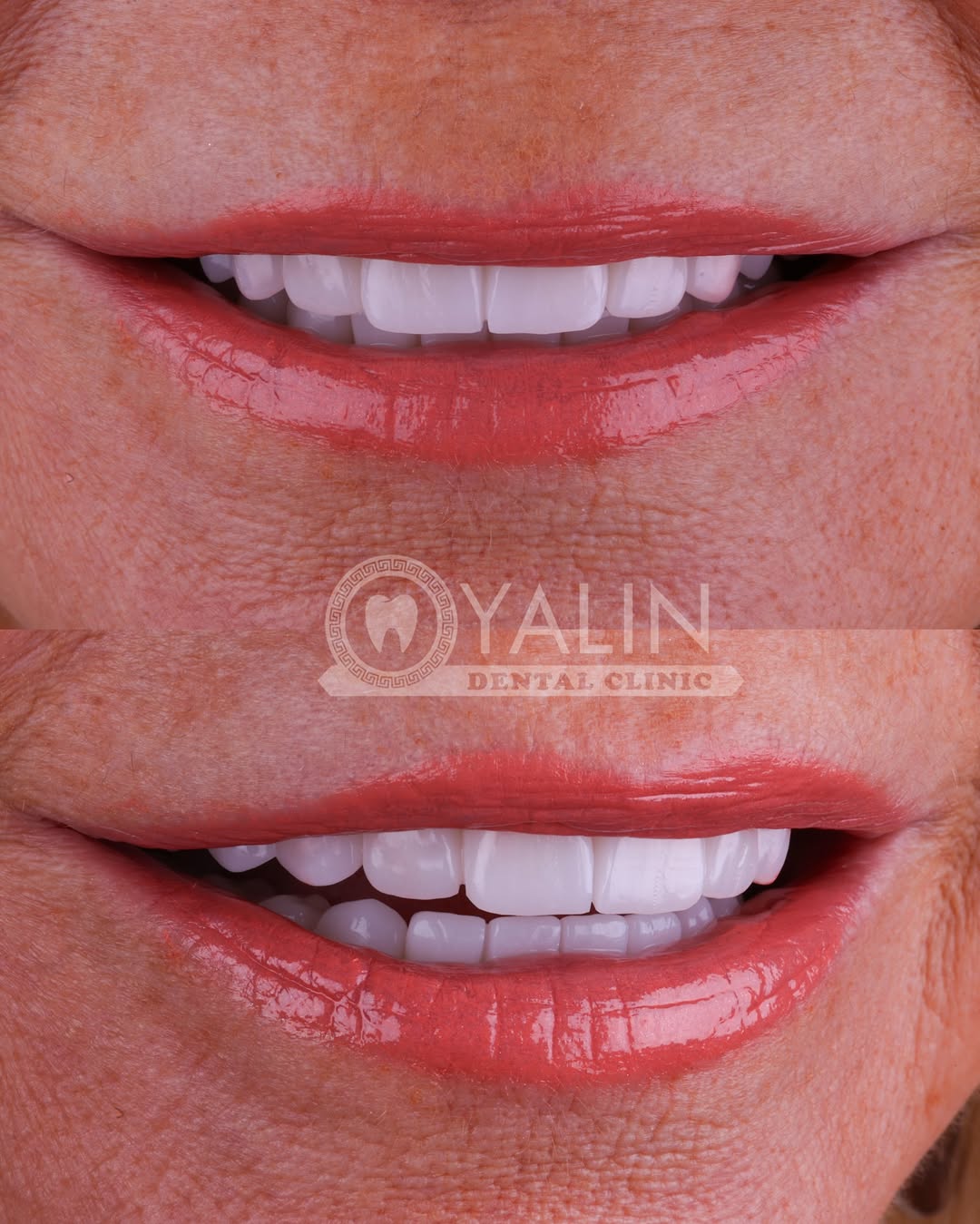
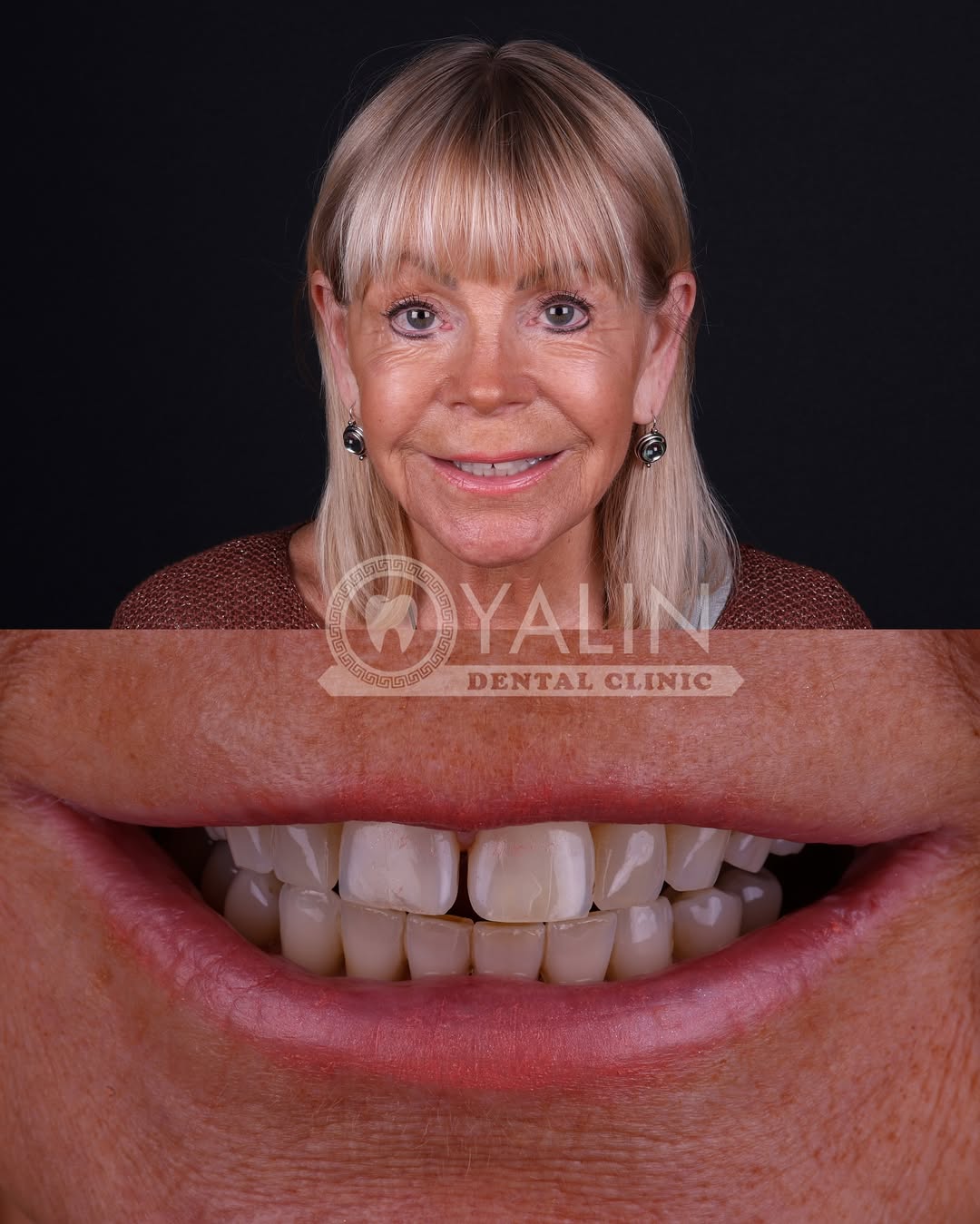
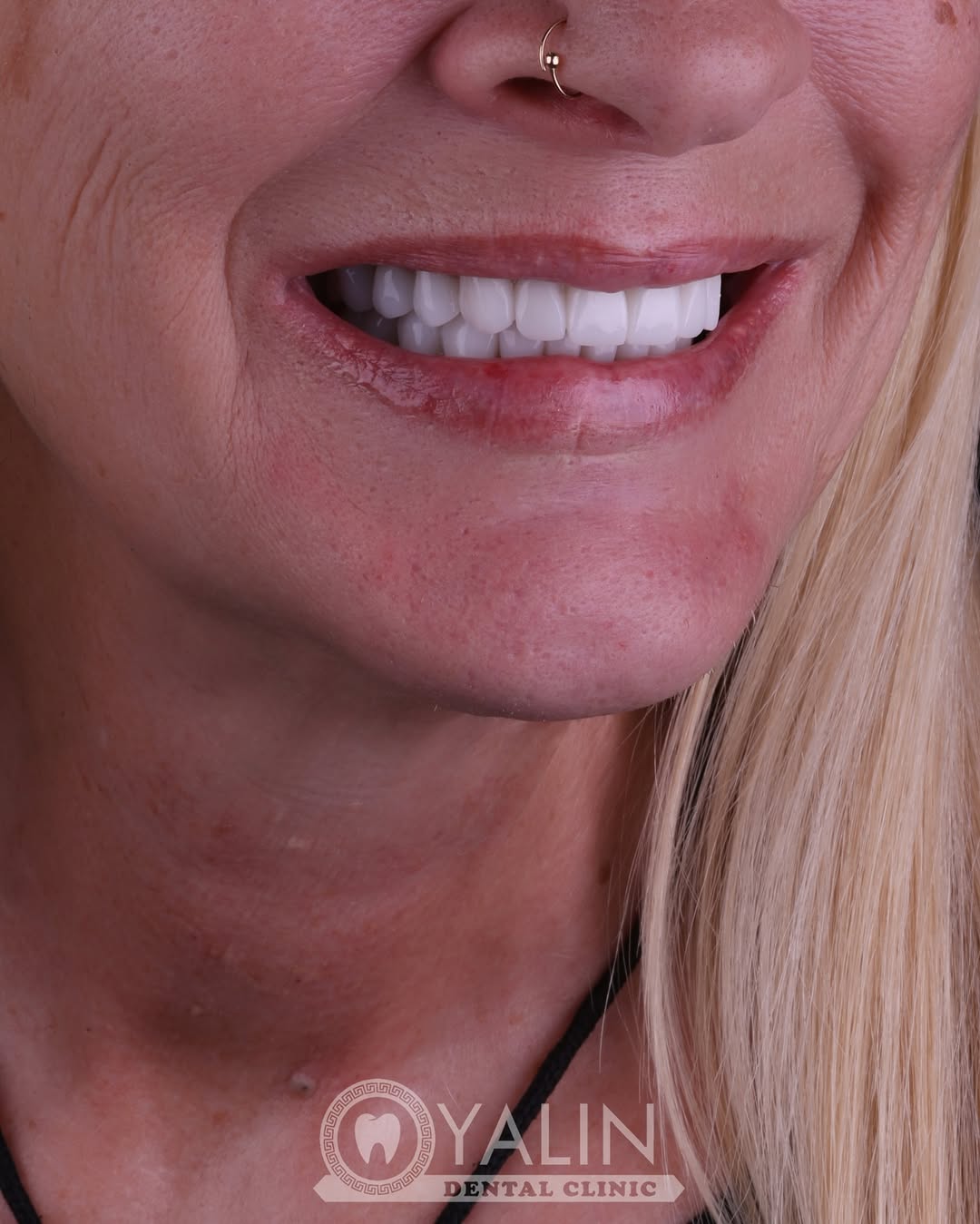
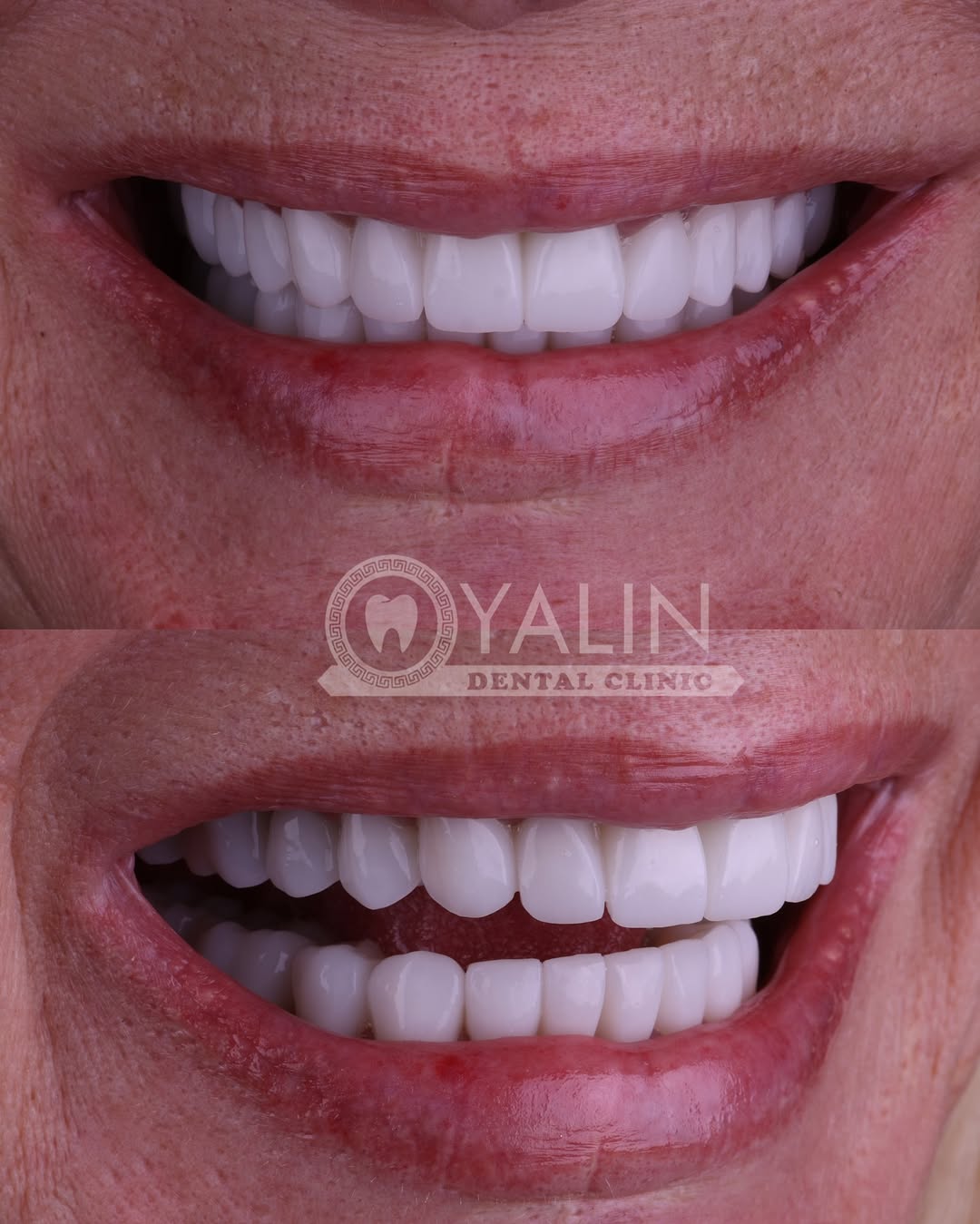
Turkey Teeth Veneers Before and After in Turkey: Photos & Videos

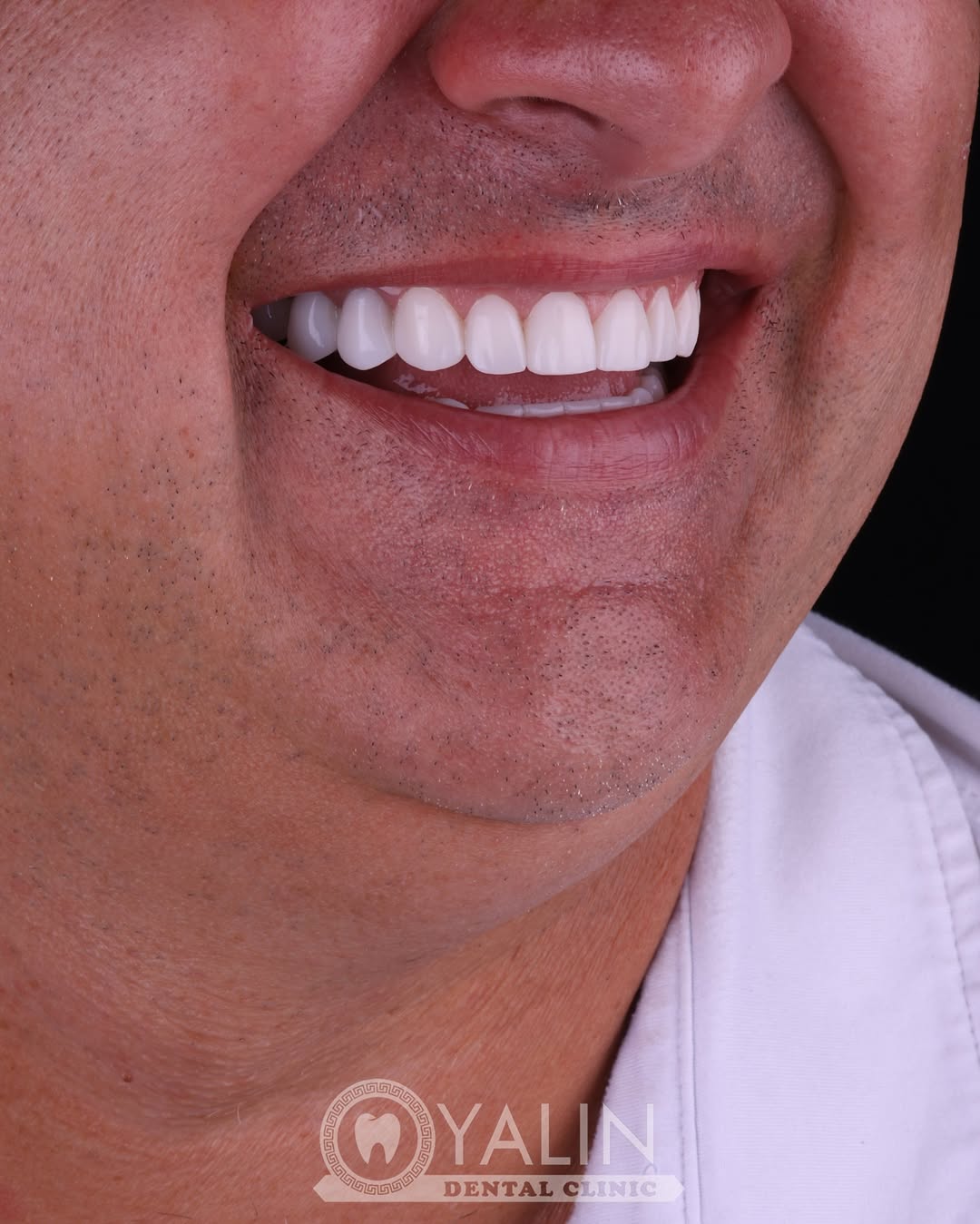
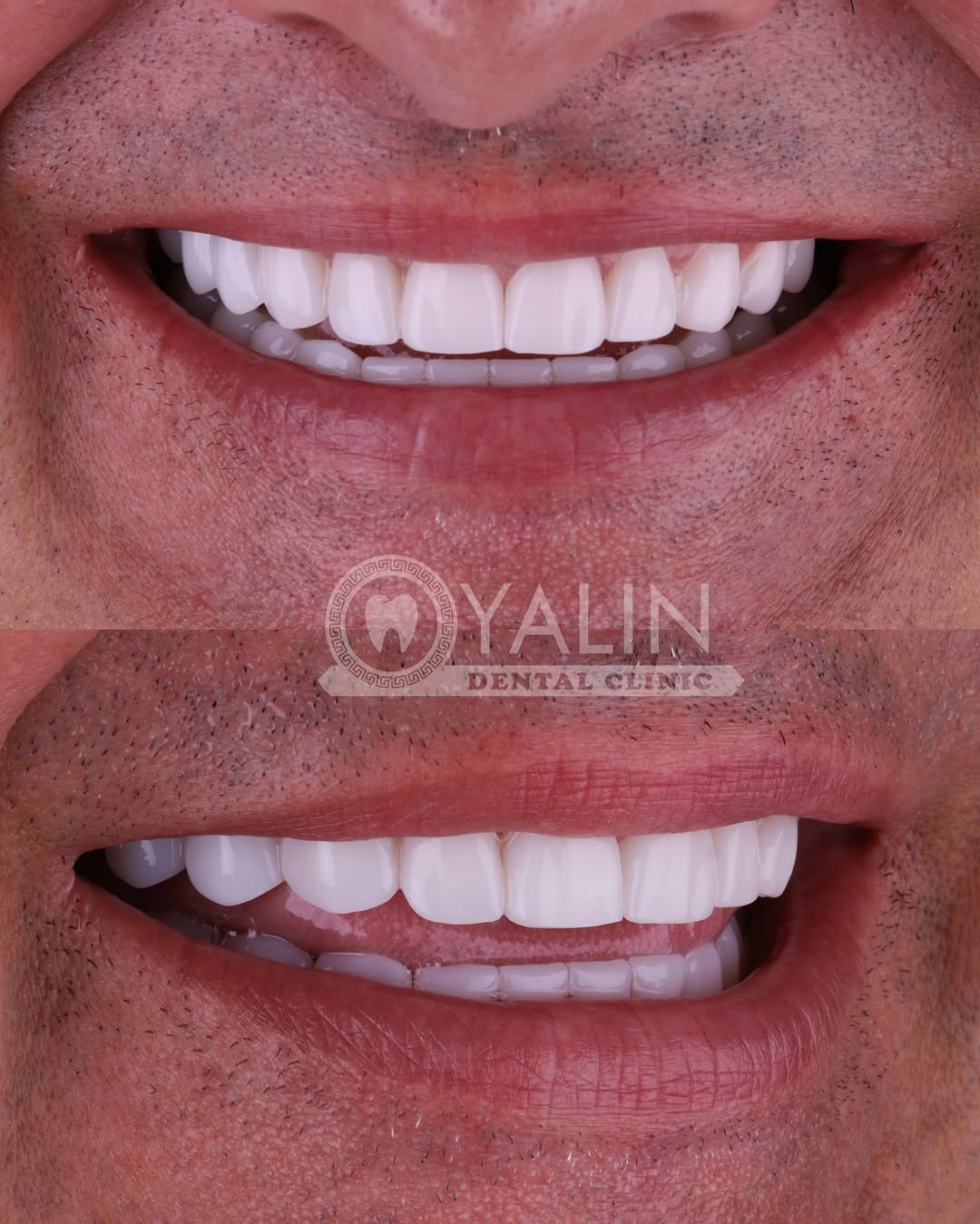
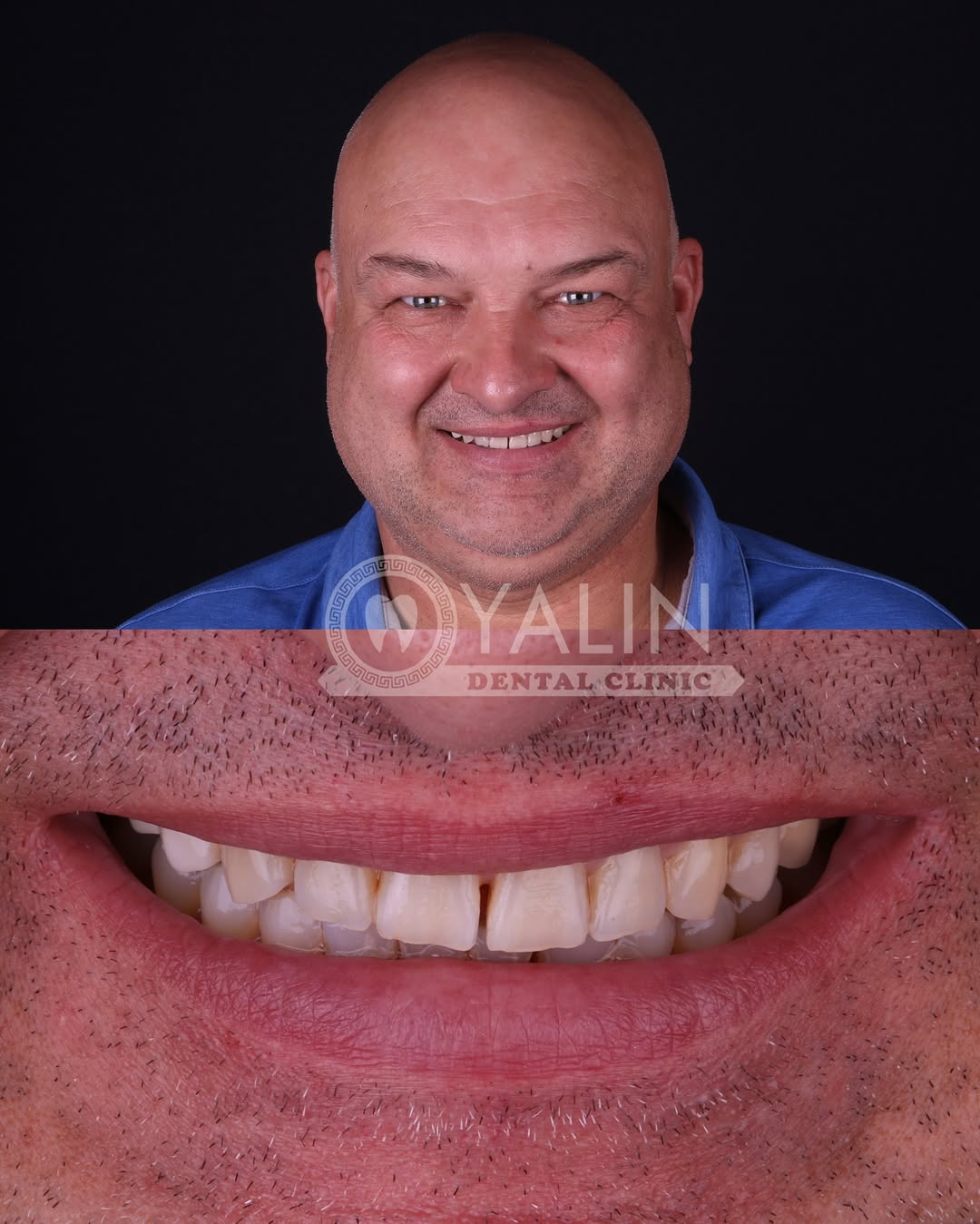


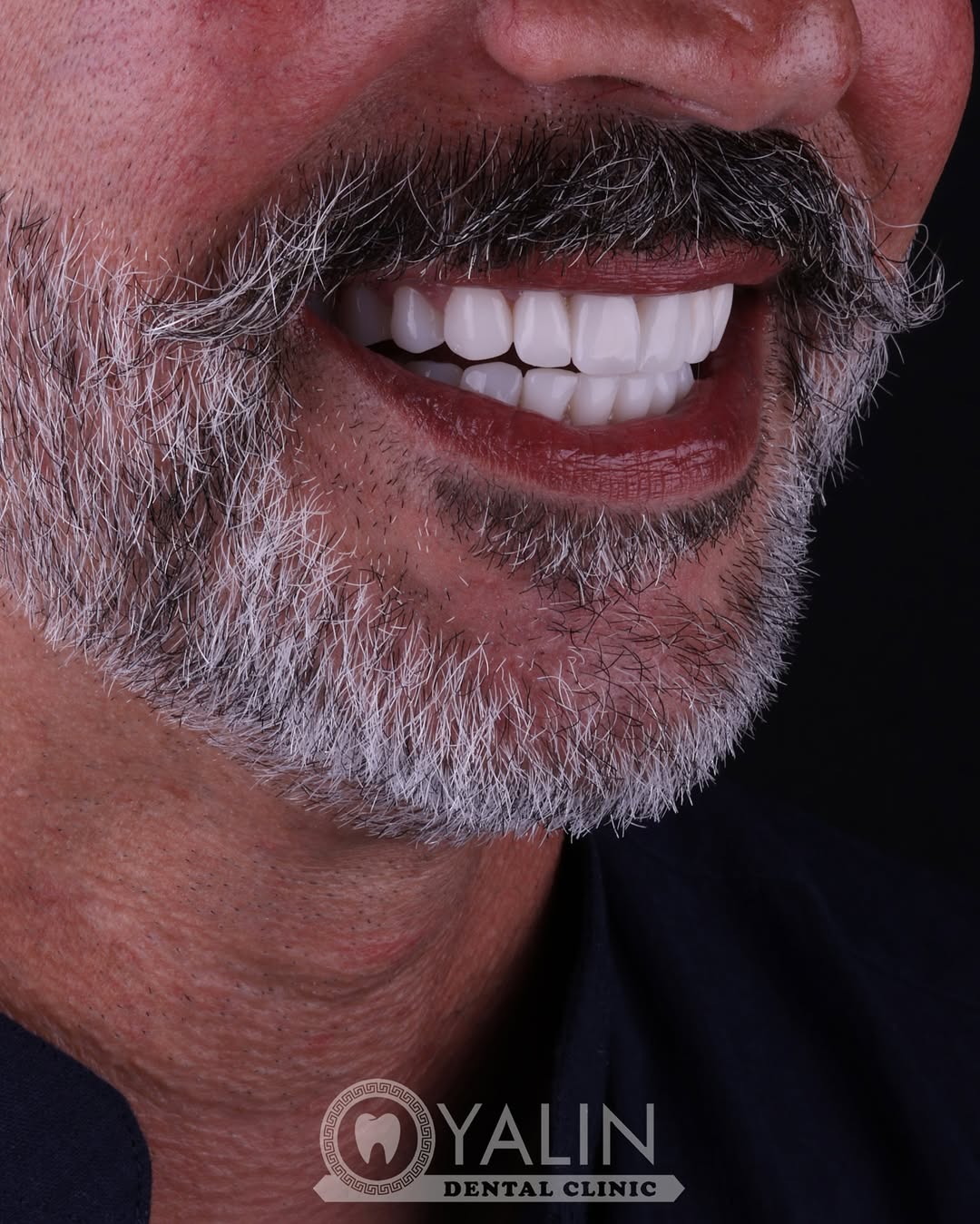
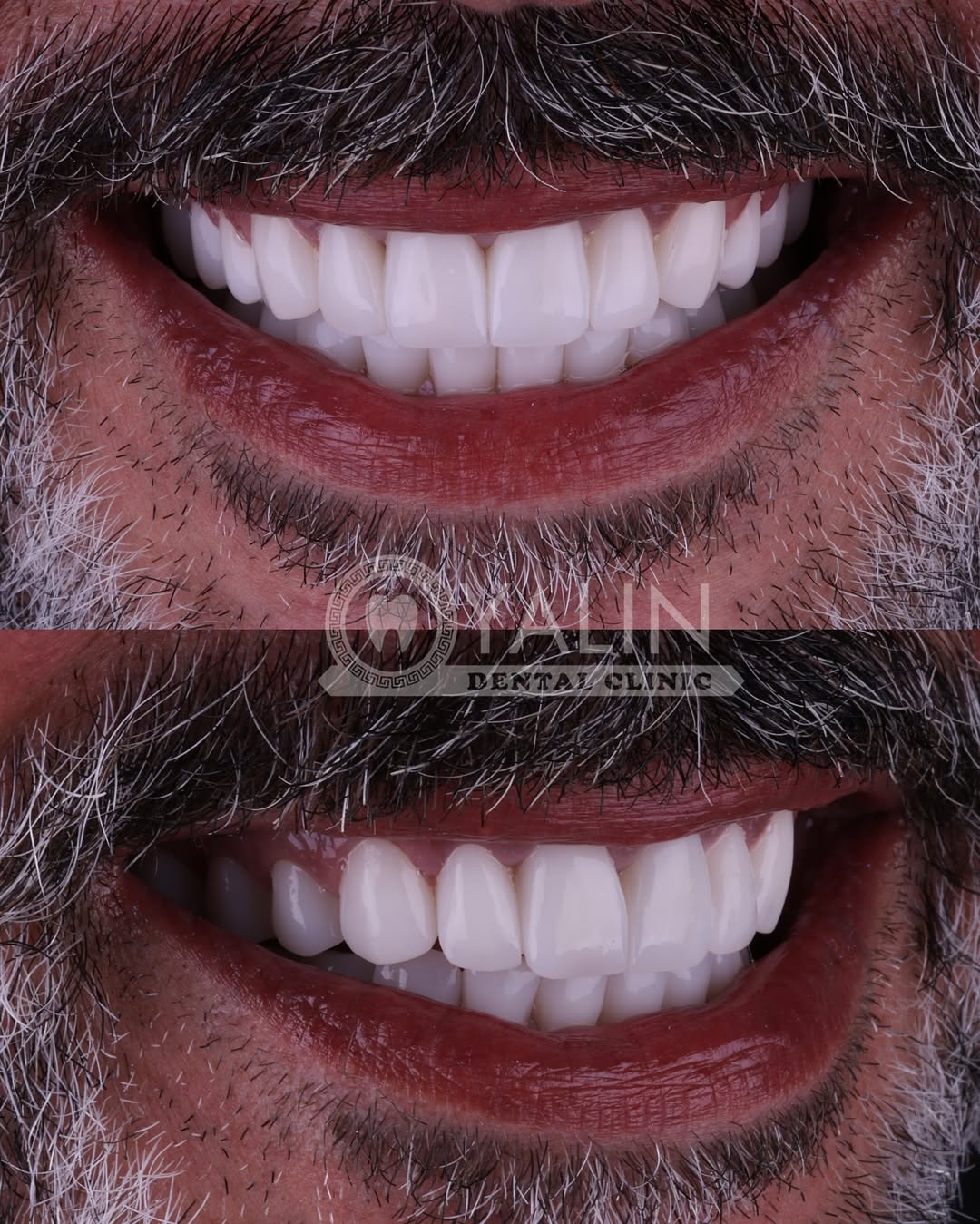
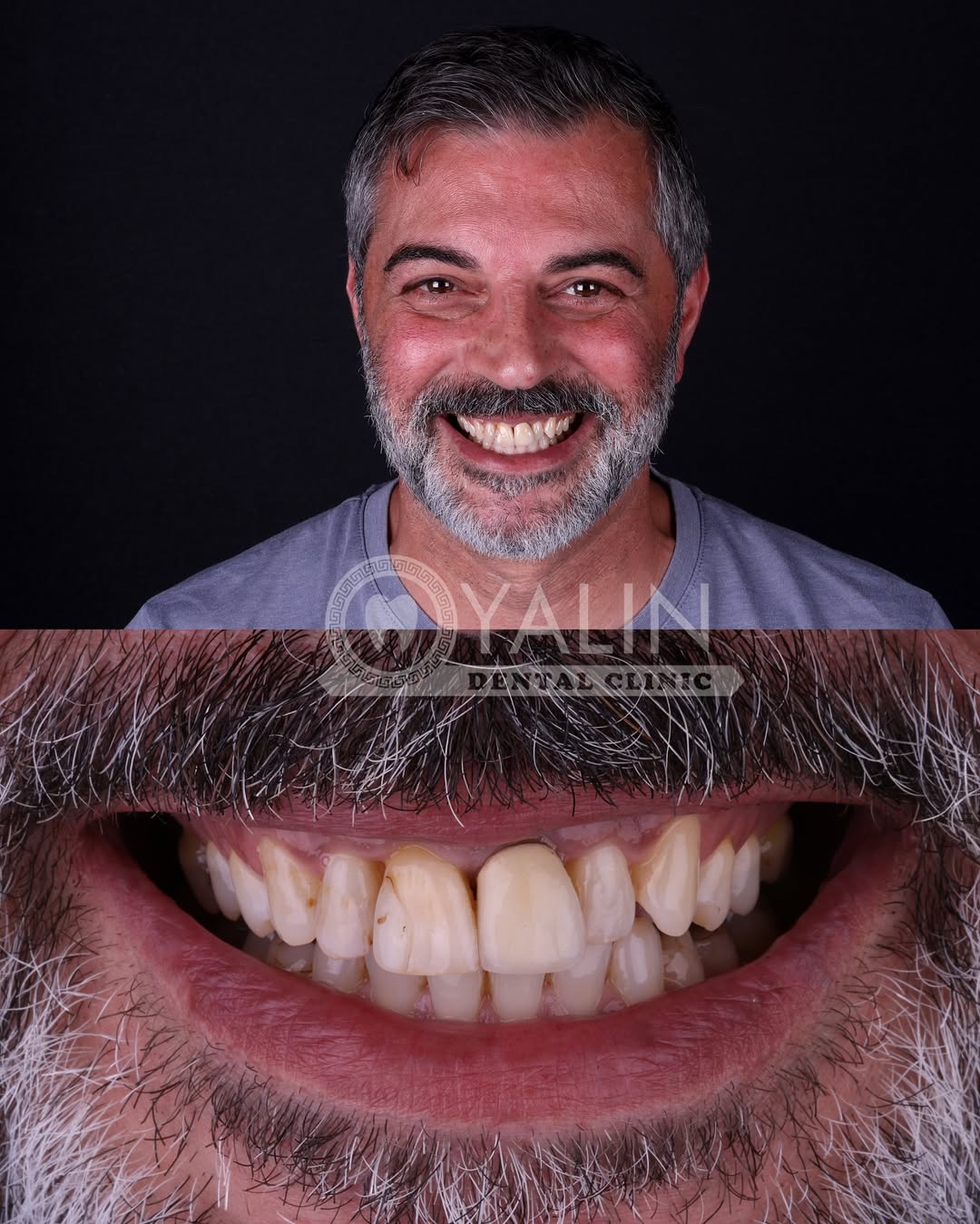

Turkey Teeth Veneers Before and After in Antalya: Photos & Videos

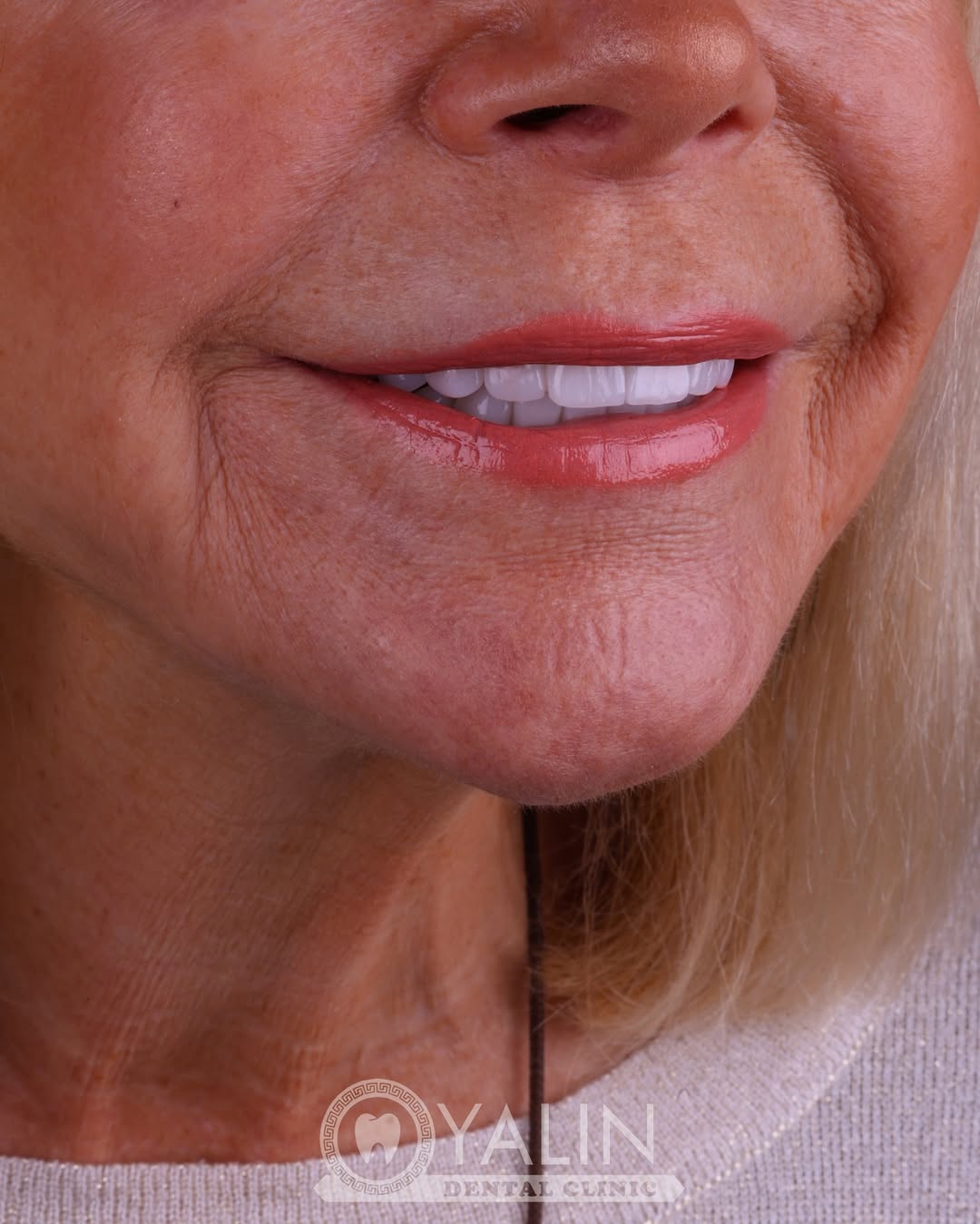



Note
- Before and after images were taken in the same clinical environment and under the same technical conditions.
- Written and explicit patient consent has been obtained.
- This content is shared for informational purposes only.
- Results may vary from person to person.
Frequently Asked Questions
Are veneers permanent?
The application of veneers is generally regarded as an invasive and irreversible procedure, particularly in cases where enamel is removed (preparation). For traditional porcelain veneers, a layer of approximately 0.3 mm to 0.7 mm is removed from the front surface of the tooth. As this shaving of the tooth enamel permanently alters the tooth’s natural structure, it necessitates that these teeth be protected for life with a restoration (crown or veneer).
However, thanks to ‘no-prep’ techniques—also known as ‘dental contact lenses’—the procedure can now be carried out without touching the tooth structure at all or with only very light etching. In these specific cases, as the underlying healthy tooth structure is preserved, the procedure may theoretically be reversible.
How long do dental veneers last?
Porcelain laminate veneers are among the most predictable and long-lasting restorations in dentistry. Clinical studies report very high survival rates for porcelain veneers, ranging from 91% to 94% over a 10-year period. Some studies indicate that, with meticulous oral hygiene and appropriate case selection, this period can be extended to up to 20 years, with success rates remaining at around 93.5%.
Generally, the lifespan varies depending on the type of material as follows:
Porcelain and E-max veneers: With good oral hygiene and regular check-ups, they generally retain their original aesthetic appearance for 10–15 years, and sometimes even longer.
Composite veneers: These resin-based materials are less durable than porcelain and may require replacement within 5–7 years due to wear or discoloration.
The most critical factors determining the lifespan of veneers are the dentist’s precision during application, the quality of the adhesive used, and whether the patient has habits such as teeth grinding.
Can you eat with veneer teeth?
Once veneers have been bonded to the tooth enamel using adhesive systems, they integrate with the tooth to achieve remarkable strength and can comfortably perform normal chewing functions. However, it should not be forgotten that porcelain is, by its very nature, a delicate material and may fracture under excessive mechanical stress.
To protect your veneers, it is recommended that you pay attention to the following points regarding your dietary habits:
- Avoid hard foods: You should avoid cracking ice, pencils, or very hard-shelled nuts with your front teeth.
- Biting habits: Instead of tearing off pieces of food such as apples or hard bread with your front teeth, cutting them into small pieces and chewing them with your back teeth will extend the life of your veneers.
- Preventative measures: If you clench your teeth while sleeping (bruxism), you must use a night guard to prevent the porcelain veneers from cracking.
Do dental veneers stain?
As porcelain veneers are made from high-quality glass ceramics, they are extremely resistant to staining and discoloration. The non-porous and smooth surface of the porcelain prevents pigmented foods such as coffee, tea, or red wine from penetrating the material; in this respect, they are even more resistant than natural tooth enamel.
However, there are two important points to bear in mind:
- Marginal (edge) discoloration: Although the veneer itself does not stain, if gum recession occurs over time or oral hygiene is inadequate, staining or discoloration may appear along the margins where the veneer meets the tooth. This can be particularly noticeable in smokers.
- The difference with composite veneers: Unlike porcelain, composite (resin) veneers have a more porous structure and may change color over time due to food stains.
How to whiten veneer teeth?
The most important medical fact is this: it is not possible to whiten existing porcelain or composite veneers using traditional teeth whitening (bleaching) methods. Whitening agents (such as hydrogen peroxide) only affect natural tooth structure; they do not alter the color of ceramic or resin materials.
If you are unhappy with the color of your veneers, or if a mismatch has developed because your surrounding natural teeth have yellowed over time, the following options are available:
- Whitening first: If you are having new veneers fitted, you should have your natural teeth whitened first and select the veneer color to match this new shade.
- Professional cleaning: Superficial stains on the surface of the veneers can be removed by a professional polishing procedure carried out by a dentist, restoring them to their original shine.
- Replacement: If the porcelain itself appears too dark, the only solution is to remove the existing restorations and replace them with new ones in a lighter shade.
Please contact us for more information.