







What are veneers in Turkey?
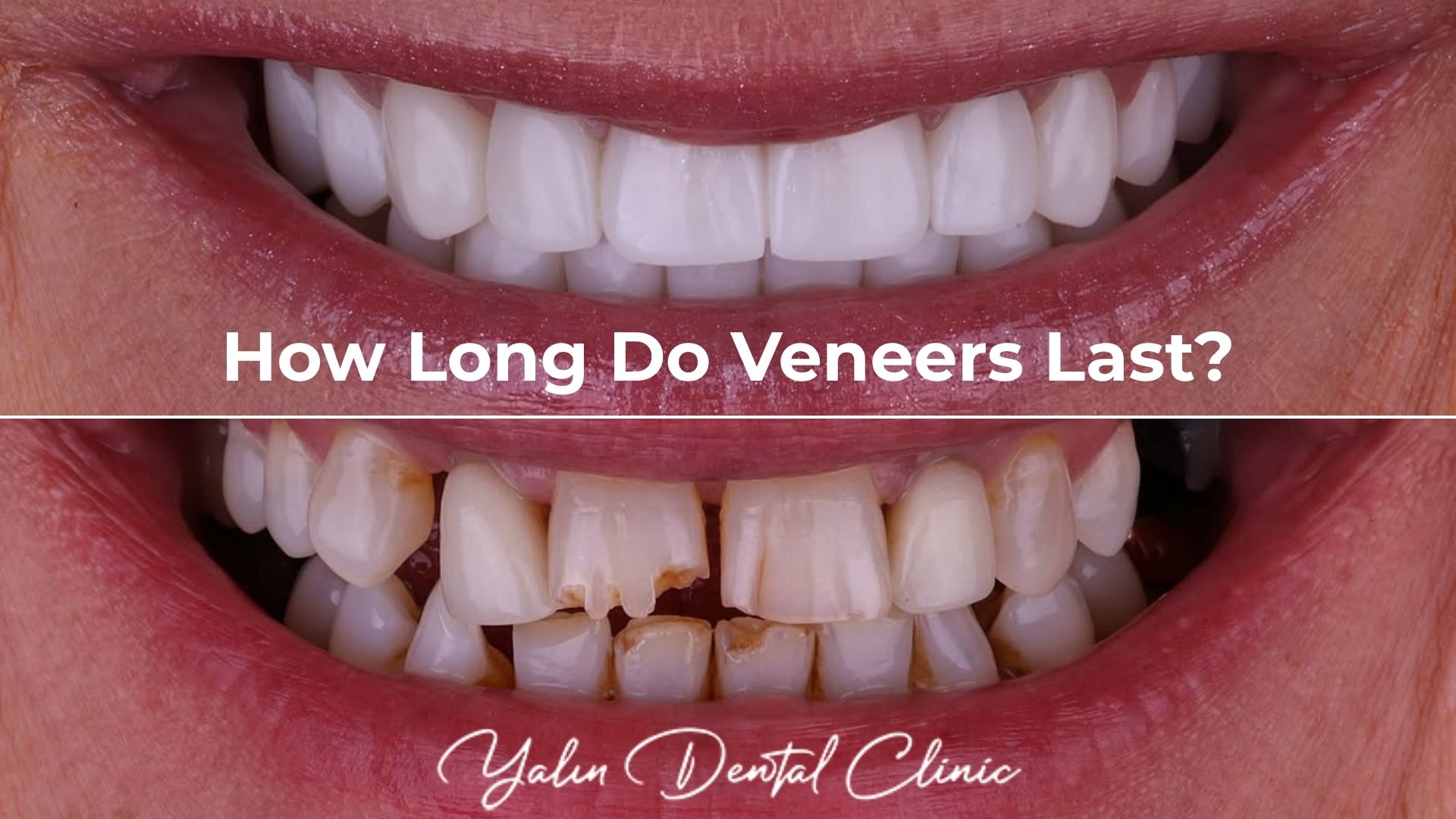
Dental veneers are ultra-thin porcelain shells placed on the front of a tooth like a tiny, custom 'contact lens.' We gently roughen the surface and bond the shell in place. Most of the natural enamel stays put. With everyday brushing and routine check-ups, those little covers can keep a smile looking fresh for a decade or more.
Are veneers permanent?
Dental veneers are a long-lasting cosmetic treatment, but they are not permanent. The procedure is normally irreversible, as a small amount of enamel is usually removed in preparation. Composite veneers will typically need replacing sooner. Good oral hygiene and regular dental check-ups can help increase the lifespan of your veneers.
What affects the durability of veneers?
- Healthy enamel left under the veneer
- Nighttime grinding or clenching
- Strength of the chosen ceramic (zirconia, lithium-disilicate, etc.)
- Dry, clean tooth surface during bonding
- Everyday habits like chewing ice or biting pens
- Frequent exposure to acidic or dark drinks
- Consistent brushing and flossing
- Six-month dental check-ups and quick touch-ups
How to make your veneers last longer?
Picture your veneers like fancy sunglasses for your teeth – a great look, but they’ll scratch if you toss them around. So, first thing every morning (and, at night, too) pick up the softest brush and use light, lazy circles. Use a soft-bristled toothbrush and gentle circular motions to avoid unnecessary wear.
Floss? While it may not be anyone's favourite party trick, flossing is the one action that prevents sneaky plaque from getting under the edge and lifting the entire shell. Takes thirty seconds! Worth it.
Now, if you wake up with a clenched jaw or your partner says you sound like you’re chewing gravel in your sleep, do yourself a favour and pop in a night guard. Honestly, it’s a tiny mouth-shield that saves the porcelain from a thousand micro-punches while you dream.
And habits. Crunching ice? Biting pens? Ripping open snack bags with your front teeth? Let’s retire those. Porcelain is tough, sure, but thin edges hate sudden, weird pressure.
Drinks matter, too. Love your triple-shot espresso or endless cola refills? Just swish a sip of plain water afterwards or grab a straw. Acids and dark dyes roughen that glossy glaze faster than you’d think.
Last thing: see your dentist twice a year. Quick polish, quick once-over.
How long do veneers last?
Dental veneers are designed to be a long-lasting cosmetic solution. On average, porcelain and E-max veneers last 10–15 years or longer. Their lifespan depends on factors such as oral hygiene, regular dental check-ups, eating habits, and avoiding hard objects that could damage the veneers. With proper care, many patients enjoy beautiful, natural-looking results for many years.
How long do composite veneers last?
Composite veneers typically last between five and eight years. Resin looks great on day one, but coffee, tea, and normal chewing slowly rough it up, so tiny touch-ups start popping onto the calendar after a while.
How long do porcelain veneers last?
Porcelain versions hang in for ten to fifteen years. Their smooth glaze keeps stains at arm’s length, and as long as you show up for your cleanings. With proper care, porcelain veneers can maintain their appearance and function for many years.
How long do e-max veneers last?
E-max, are made from high-strength lithium disilicate ceramic, runs twelve to maybe twenty years. It’s stronger than regular porcelain, so everyday biting and the odd popcorn kernel don’t scare it much.
How long do ceramic veneers last?
Classic feldspathic ceramic tends to clock around ten years. It’s beautiful and lifelike, but a bit more brittle, meaning a sudden bite on hard foods might send you in for a quick repair sooner than you’d like.
How long do laminate veneers last?
Laminate veneers are designed to be a long-lasting cosmetic dental solution. With proper care, laminate veneers typically last between 10 and 15 years, and many can last even longer. With the right care, laminate veneers can provide a beautiful, natural-looking smile for many years.
How long do veneers last on front teeth?
Porcelain versions hold their polish for roughly ten to fifteen years, while composite ones stay neat for about five to eight. Beyond those ranges, routine wear and bonding fatigue start to show.
Porcelain vs Composite veneers
Porcelain is the long-haul, glossy option; composite is the quick, budget-friendly fix.
| Feature | Porcelain Veneers | Composite Veneers |
|---|---|---|
| Lifespan | 10–15 years | 5–8 years |
| Stain Resistance | High (low stain pick-up) | Moderate (more prone to staining) |
| Surface Appearance | Smooth, glossy finish | Natural matte finish |
| Treatment Time | Usually 2 visits | Usually 1 visit |
| Tooth Preparation | Moderate enamel preparation | Minimal or no preparation |
| Repairability | More difficult to repair | Easier to repair |
| Up-front Cost | Higher | Lower |
Why is Turkey so affordable for veneers?
It really comes down to a mix of cheaper day-to-day costs and a steady flow of dental tourists. Clinics in Istanbul or Antalya don’t pay London-level rent, and staff salaries run lower too, so the baseline price drops. Add the weak lira (your dollars or euros stretch a lot further), and suddenly porcelain and lab fees feel like a bargain. On top of that, Turkish labs crank out veneers all day for patients flying in from everywhere, so they buy materials in bulk and pass the savings on. Toss in a few government perks aimed at boosting health tourism, plus all-inclusive deals that bundle airport rides and a hotel room, and the final bill lands way below what you’d get back home.
Dental Veneers Turkey Reviews in Antalya, Turkey
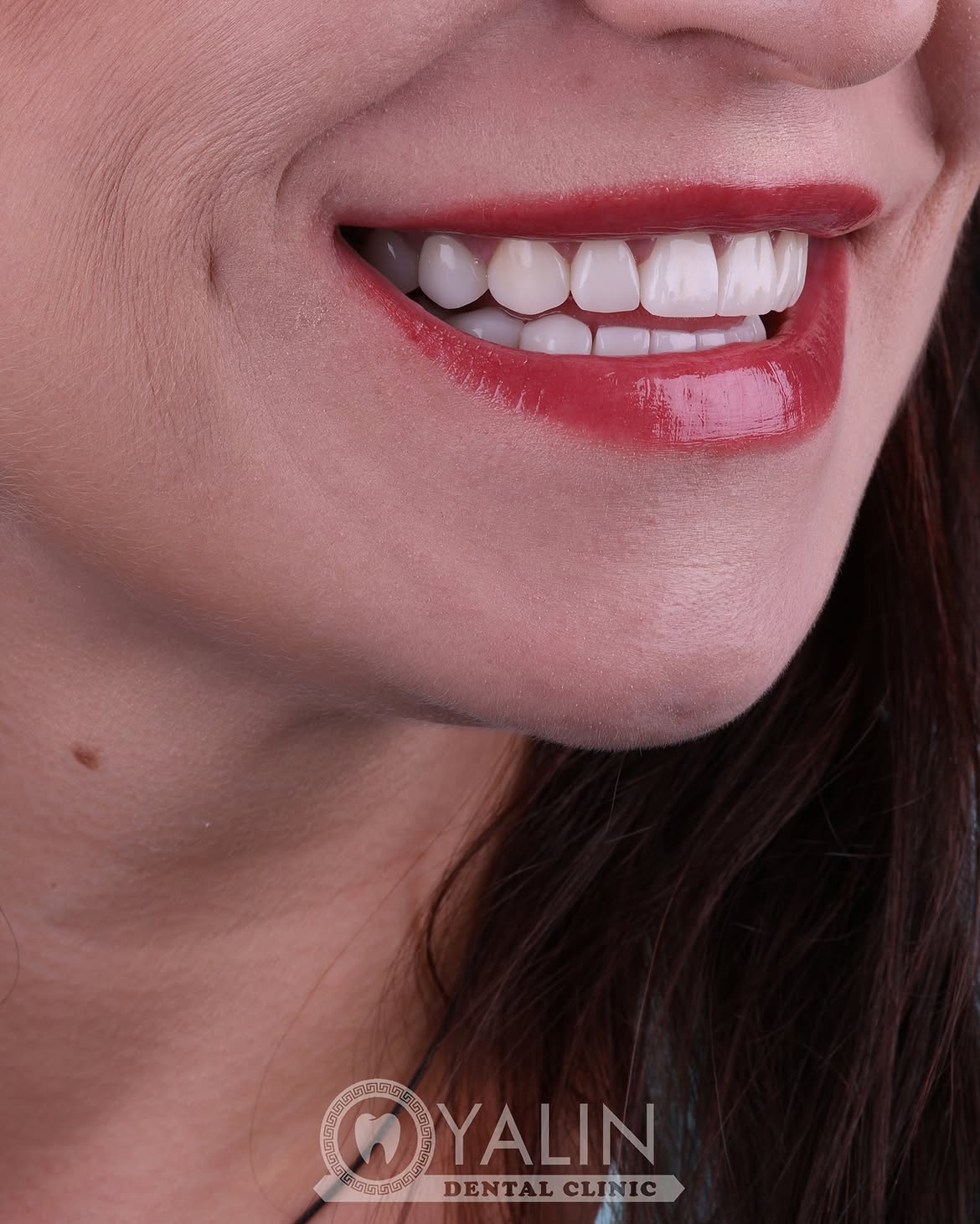
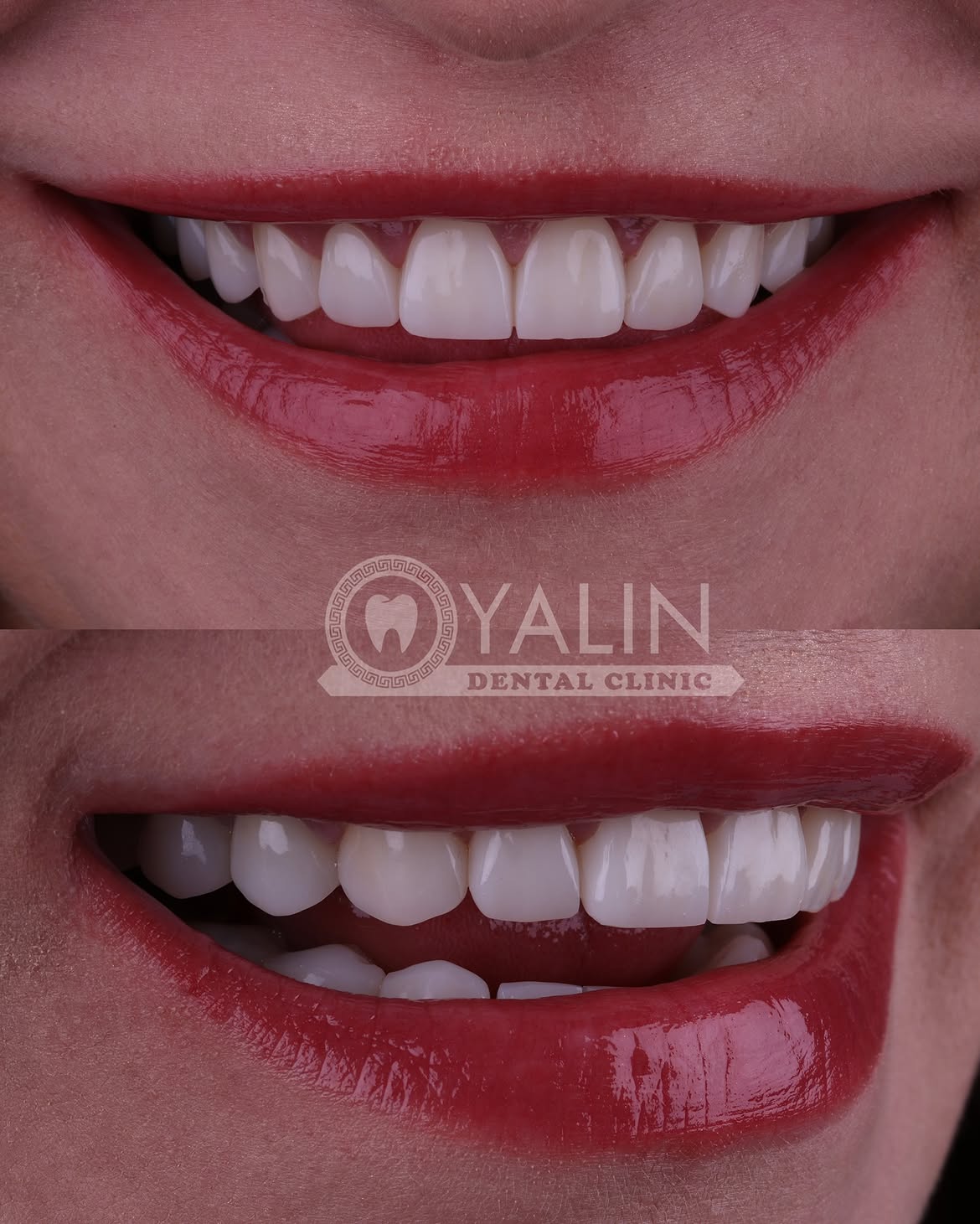
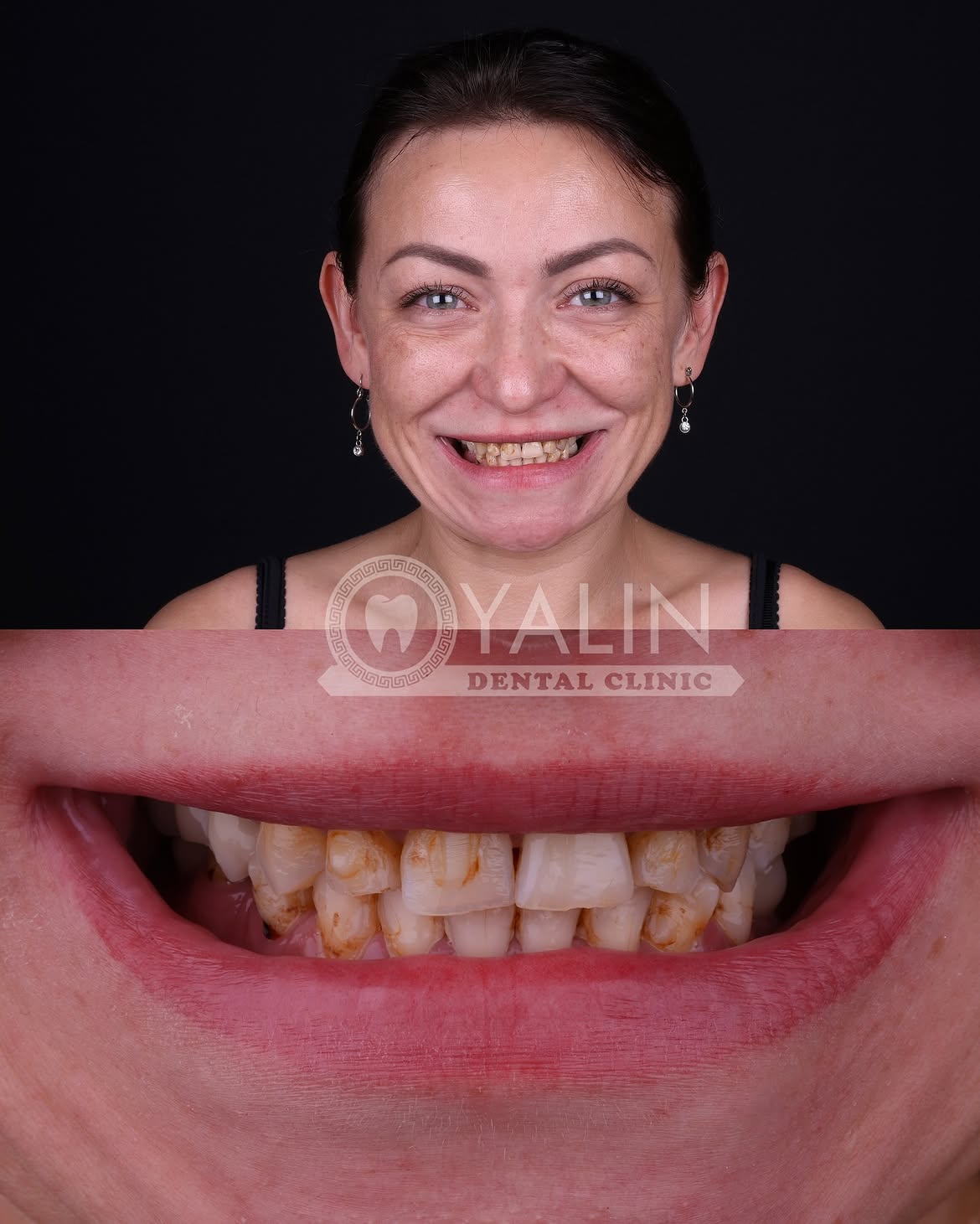
Dental Veneers Before and After in Antalya, Turkey

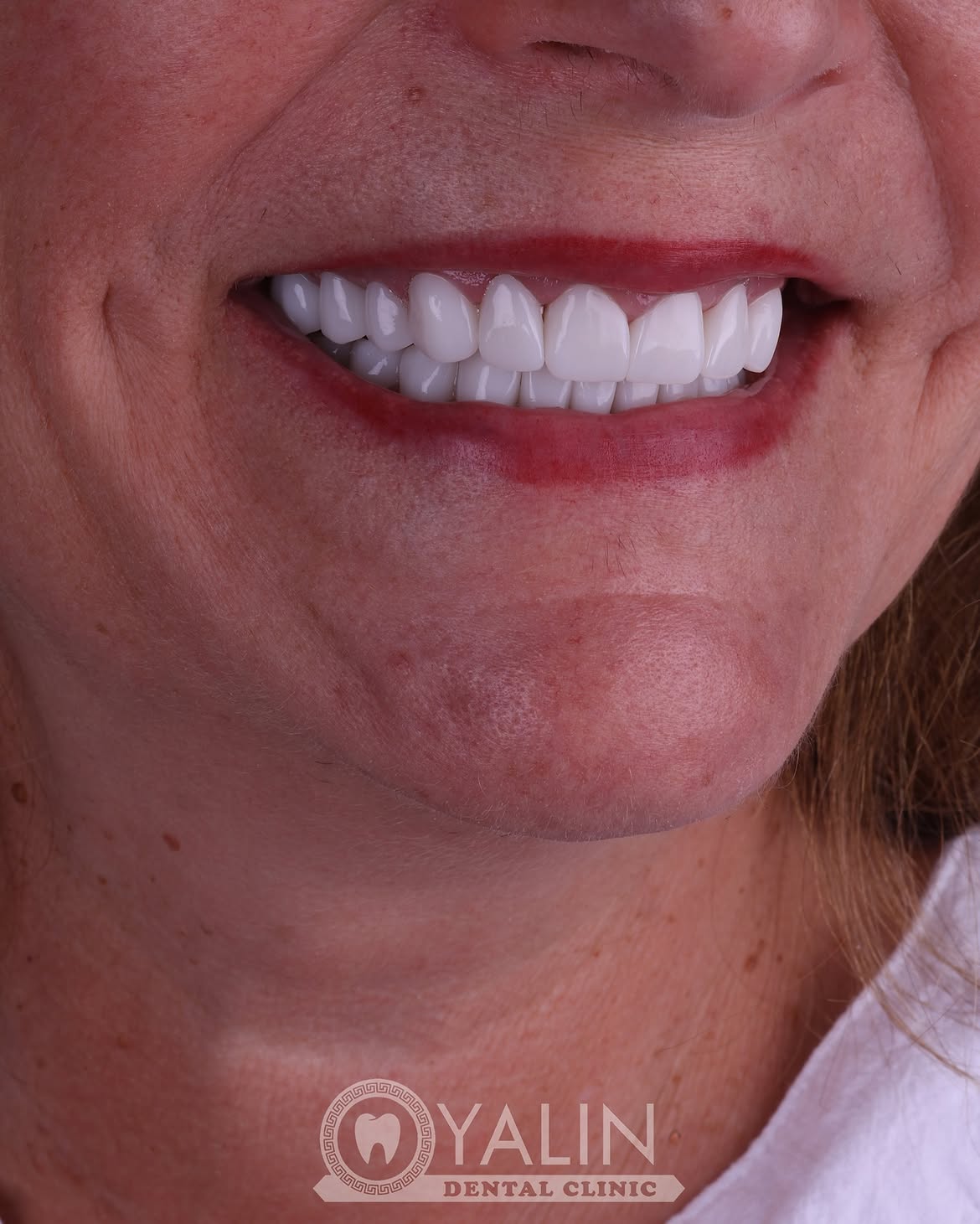
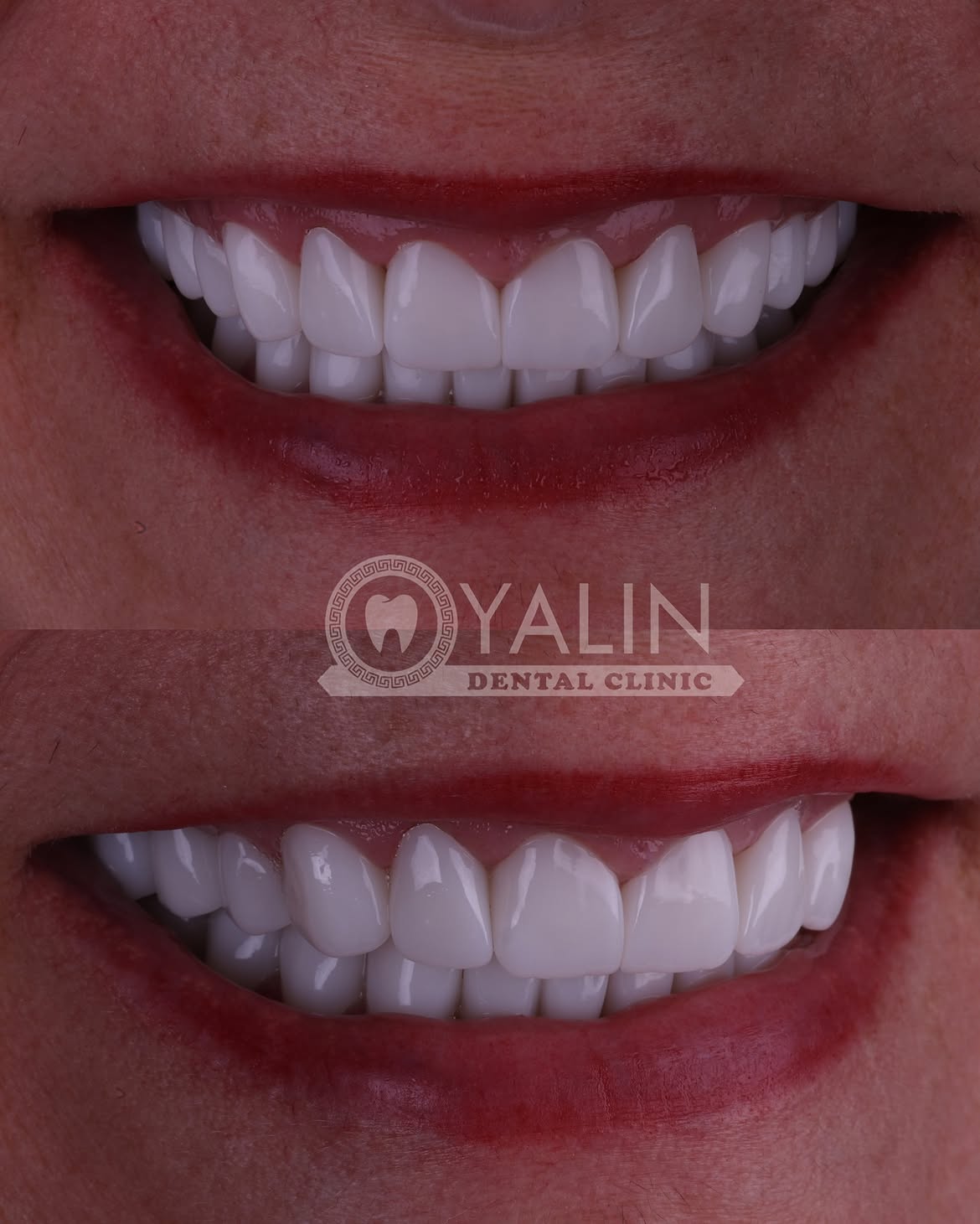
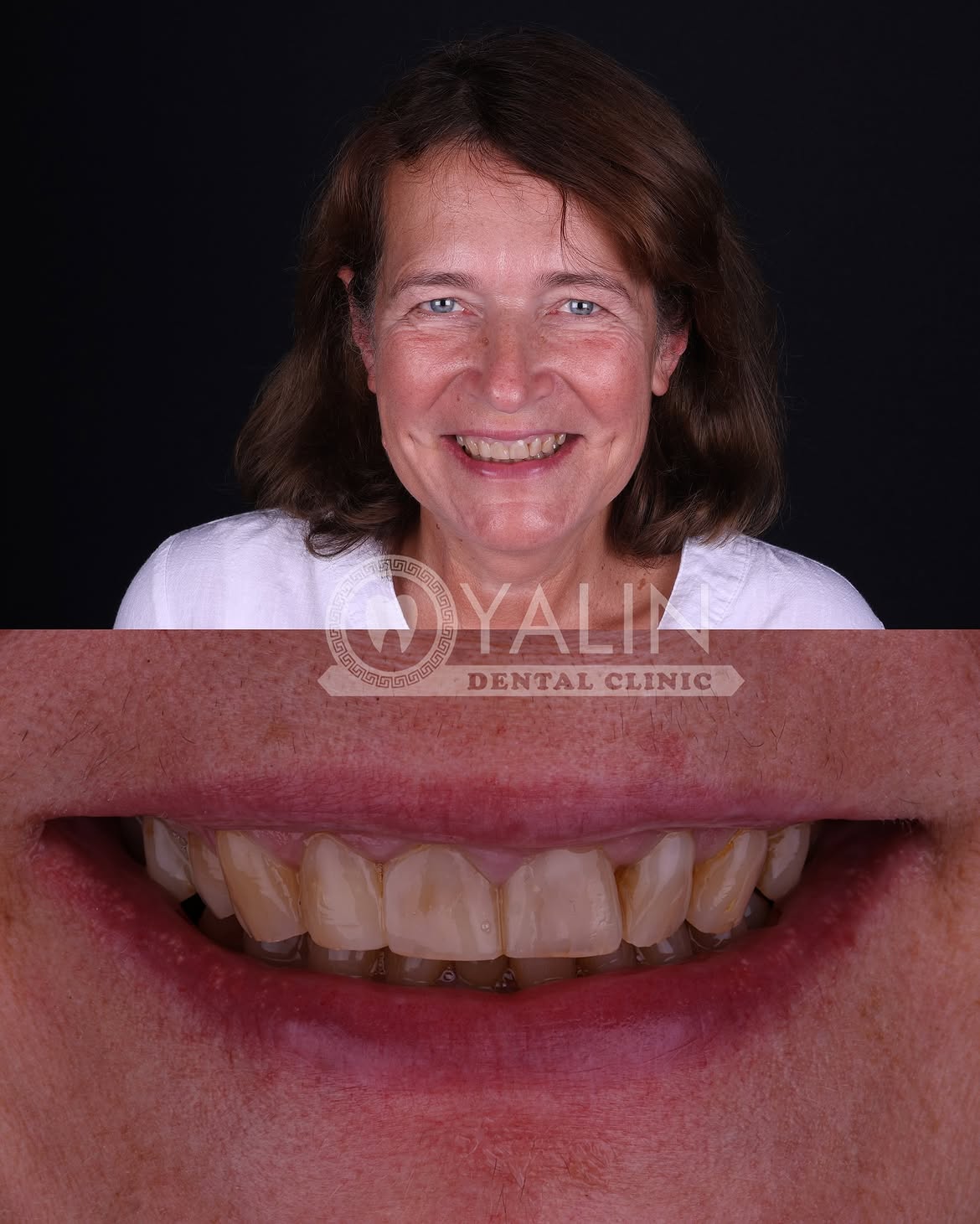

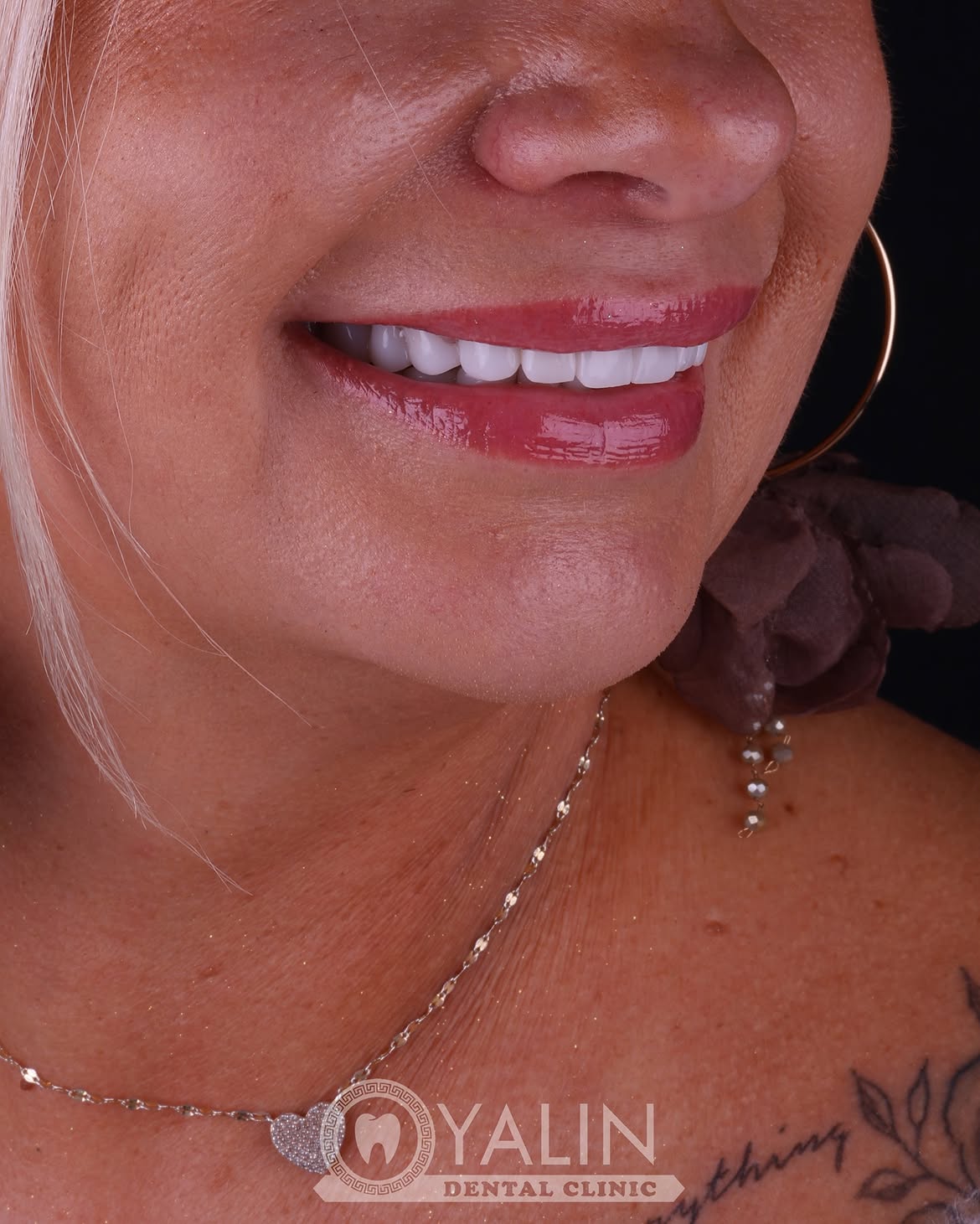
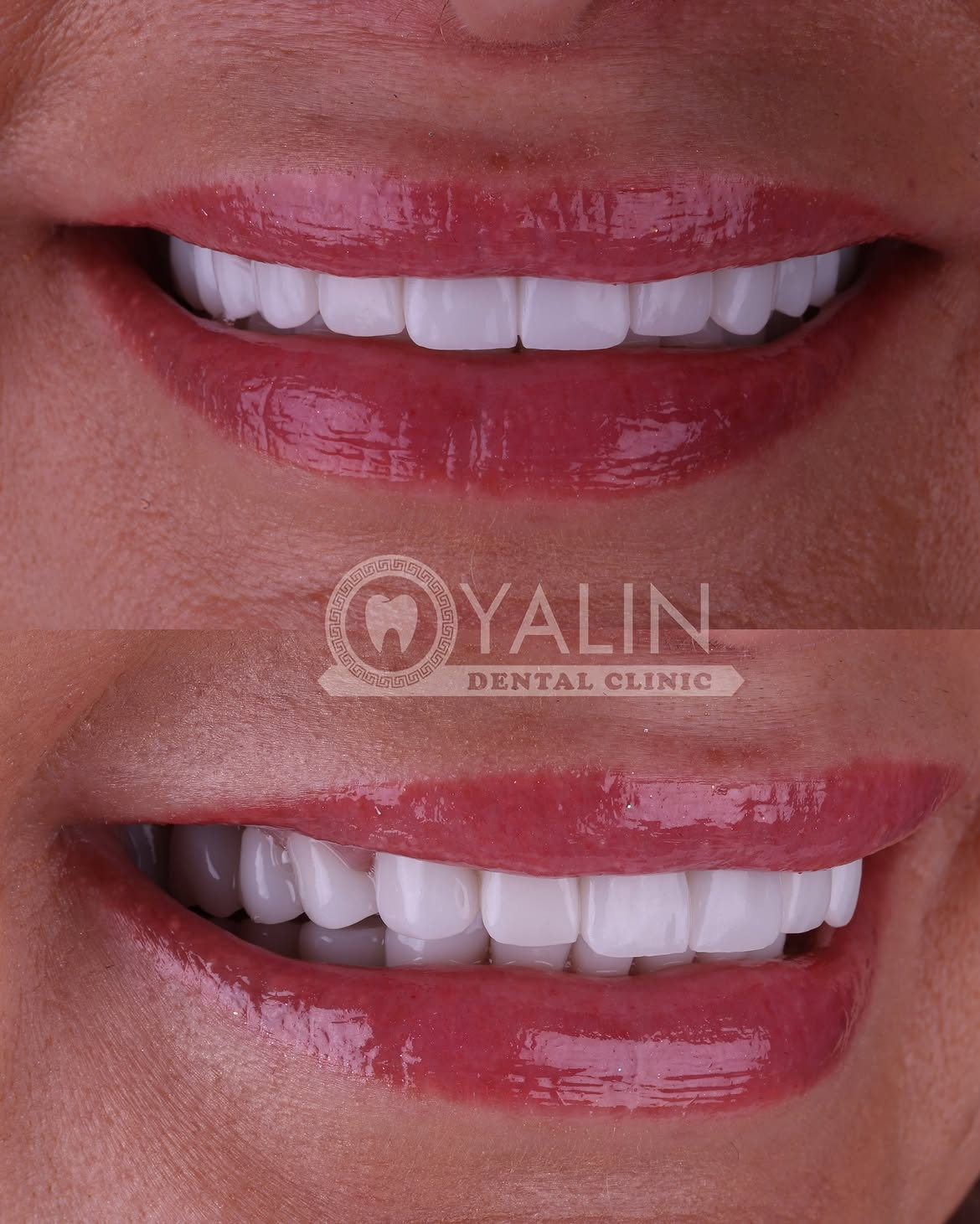
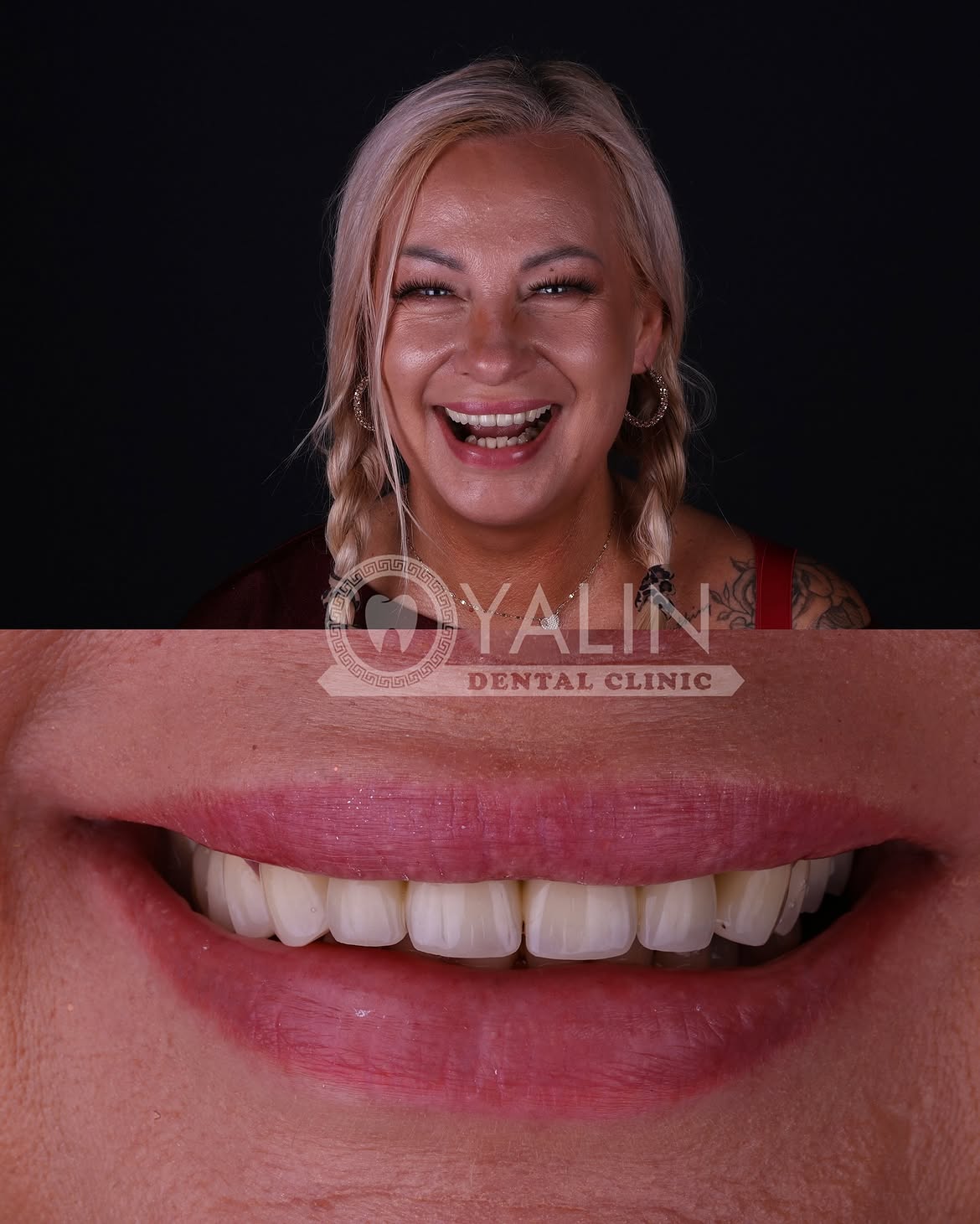

Note
- Before and after images were taken in the same clinical environment and under the same technical conditions.
- Written and explicit patient consent has been obtained.
- This content is shared for informational purposes only.
- Results may vary from person to person.
Frequently Asked Questions
What are the disadvantages of veneers?
- Enamel is shaved off, so the change is permanent.
- Up-front cost is higher than fillings or bonding.
- Teeth can feel sensitive to hot and cold for a while.
- Porcelain can chip if you bite hard objects.
- Natural teeth can still stain, leaving a color mismatch.
- They can’t be lightened with future whitening treatments.
- Night grinding without a guard may crack the edges.
- Gum edges can get inflamed if cleaning is poor.
Can you bite into an apple with veneers?
Yes, well-bonded veneers handle an apple bite just fine, as long as you avoid chomping on the hard stem or seeds.
Can you go back to normal teeth after veneers?
No, once enamel is shaved for veneers, you can swap them out for new ones later, but the tooth itself can’t go back to its untouched state.
Can veneers fall off?
Although it is uncommon, dental veneers can come loose if the bonding weakens or they are exposed to excessive force. Habits such as teeth grinding, biting hard objects, or dental trauma may increase the risk. In many cases, a loose veneer can be re-bonded or replaced by your dentist.
Do veneers stain?
Porcelain and E-max veneers are highly stain-resistant and usually maintain their colour for many years. Composite veneers are more likely to absorb stains from coffee, tea, red wine, and smoking. Good oral hygiene and regular professional cleanings help keep your smile looking bright.
Can veneers be repaired?
Yes, minor damage to composite veneers can often be repaired without replacing the entire restoration. Porcelain veneers are more difficult to repair and may need to be replaced if they are cracked or badly damaged. Your dentist will recommend the most appropriate option.
Can smokers get veneers?
Yes, smokers can have dental veneers. However, smoking may increase the risk of gum disease and can stain the natural teeth around the veneers, affecting the overall appearance of the smile. Reducing or quitting smoking can help maintain better long-term results.
Can veneers fix crooked teeth?
Veneers can improve the appearance of mildly crooked, uneven, or slightly misaligned teeth, creating the look of a straighter smile. However, they are not suitable for severe alignment problems, which may require orthodontic treatment before veneers.
How many veneers do I need?
The number of veneers depends on your smile goals and how many teeth are visible when you smile. Some people only need 6–8 veneers, while others choose 10–20 veneers for a complete smile makeover. Your dentist will recommend the ideal number after evaluating your smile.
Please contact us for more information.