







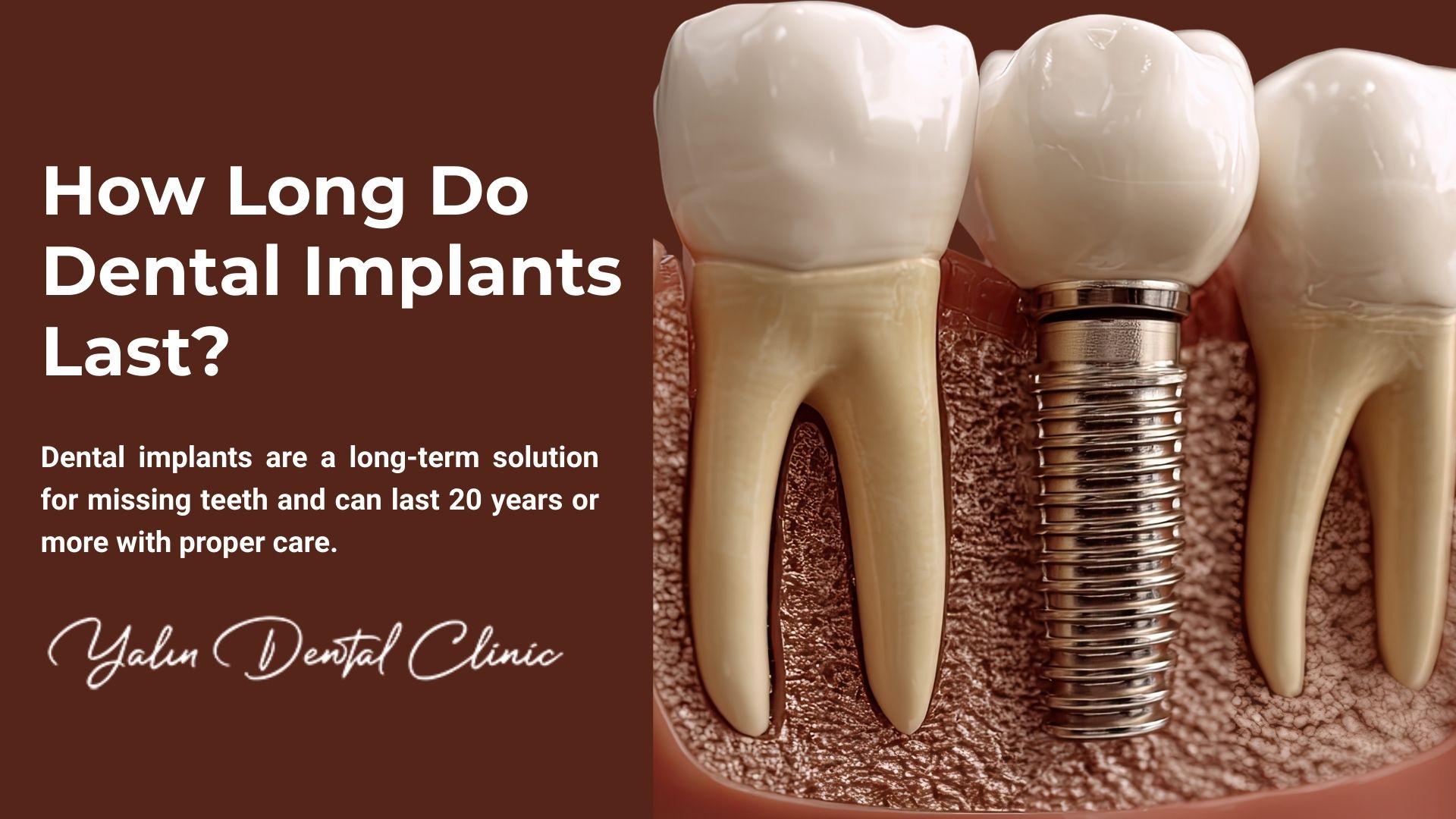
Dental implants are a long-term fix for lost teeth. They are strong and appear natural. With proper care, good oral hygiene, and regular dental check-ups, implants can last 20 years or even more. Their lifespan depends on things like the condition of the bones, lifestyle choices, and the quality of the surgery, which is why they are one of the most reliable and affordable ways to replace teeth.
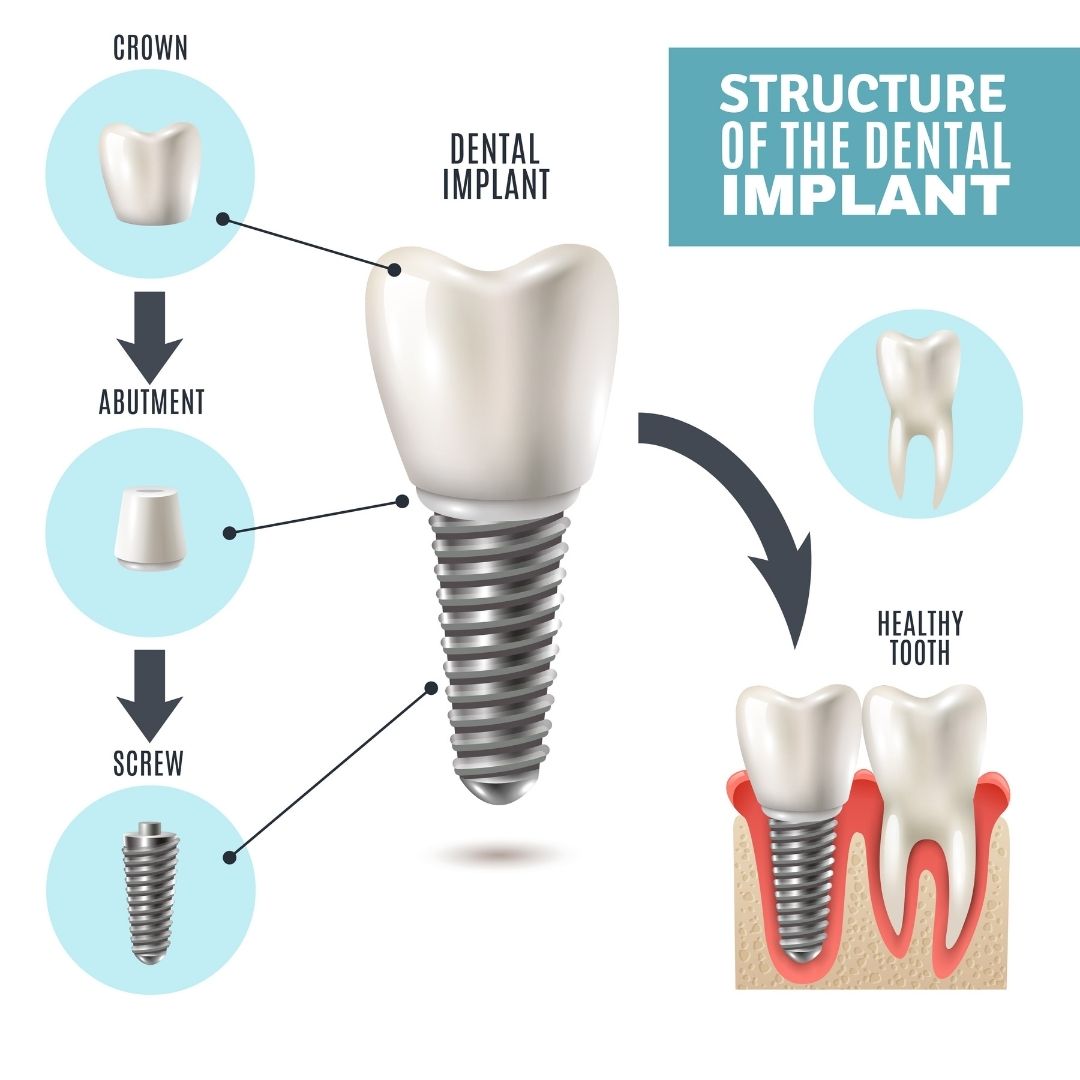
Structure of a dental implant
There are three parts. First, the implant. It’s a tiny metal post that goes into your jawbone, like a new tooth root. The bone holds it tight over time.
Next, there’s the abutment. It’s a small connector that sits on top of the implant and holds the crown in place.
And finally, the crown. That’s the part that looks like a tooth. It’s made to match your smile, and you feel totally natural once it’s in.
That’s really it. You can have, with these three parts, one strong, steady tooth.
How do dental implants work?
It works kind of like your real tooth.
The implant goes into your jaw and acts like the root. Your bone grows around it and holds it tight.
Then the crown goes on top. Actually, that’s the part you see.
When you bite or chew, you feel totally normal.
Types of implants
There are two main types we use. One is called endosteal. That’s the most common. We place it right into the jawbone, and this works like a new root. If your bone is healthy, this is the best option for you.
The other one is subperiosteal. We place that on top of the bone, under the gum. We only use it if your bone isn’t strong enough and we can’t do grafting.
And for patients who’ve lost most of their teeth, we’ve got All on 4 or All on 6.
Instead of one implant per tooth, we place 4 or 6. That gives support for a full row of teeth.
All on 4 is great for the lower jaw. For the upper, where bone is softer, we usually go with 6.
Do dental implants last forever?
No, not forever.
But they can last a really long time, 20 years or more, if you take care of them.
The implant itself is usually fine. What can wear out over time is the crown on top. That might need a replacement someday, just like a regular tooth might need a new filling or cap.
Brush, floss, and get your check-ups. If you do that, they’ll hold up great.
What to expect when getting dental implants?
First, we check your mouth, bone, gums, everything. If it all looks good, we go ahead.
The implant part is done under local anaesthesia. You won’t feel pain, just a bit of pressure. It takes maybe 15–30 minutes per implant.
After that, we wait. The bone needs time to heal and lock the implant in place. Usually a few months.
Once it’s ready, we add the crown, the part that looks like a tooth. That’s it.
Some swelling or soreness after surgery? Totally normal. We give you what you need to stay comfortable. You’ll be fine.
How long do dental implants last?
With good care, dental implants can last 20 years or even longer.
The implant itself usually stays strong; the crown on top may need replacing over time.
How long do mini dental implants last?
On average, they hold up for 10 years, depending on where they’re placed and how much pressure they take. Mini implants don’t last as long as regular ones.
Since they’re smaller, they’re not as strong. So, they wear out faster, especially in areas with heavy chewing.
How long do all on 4 and all on 6 dental implants last?
If everything’s done right and you take care of them, they can last at least 20 years, sometimes longer.
How long does a full mouth of implants last?
With proper care, a full mouth of implants usually lasts 15 to 25 years.
What affects the lifespan of dental implants?
A few things make a big difference.
First, your oral hygiene. If you brush, floss, and keep up with cleanings, your implants will last longer. This is up to you.
Second, smoking. Big one. It slows healing and weakens the bone, which shortens the life of the implant.
Then there’s bite pressure. If you grind your teeth or put too much force on them, unfortunately it wears things down faster.
Bone quality, gum health, and even your overall health play a role too. And of course, how well the implant was placed in the first place.
It’s not just about the material; it’s about how everything around it holds up. Finally? You must take care of your mouth!
How is a failed implant treated?
If your implant fails, the first thing we do is figure out why. Sometimes the reason might be infection; sometimes the bone did not bond well.
If it’s loose or painful, we usually take it out. Don’t panic! It’s a simple procedure, not as tough as people think.
After that, we wait for healing. In some cases, we rebuild the bone with grafting. Once things look good, we try again with a new implant.
Bottom line? The problem is fixable. We just need to give your mouth the right time and care to start the function of it.
Why choose Yalın Dental Clinic in Antalya, Turkey?
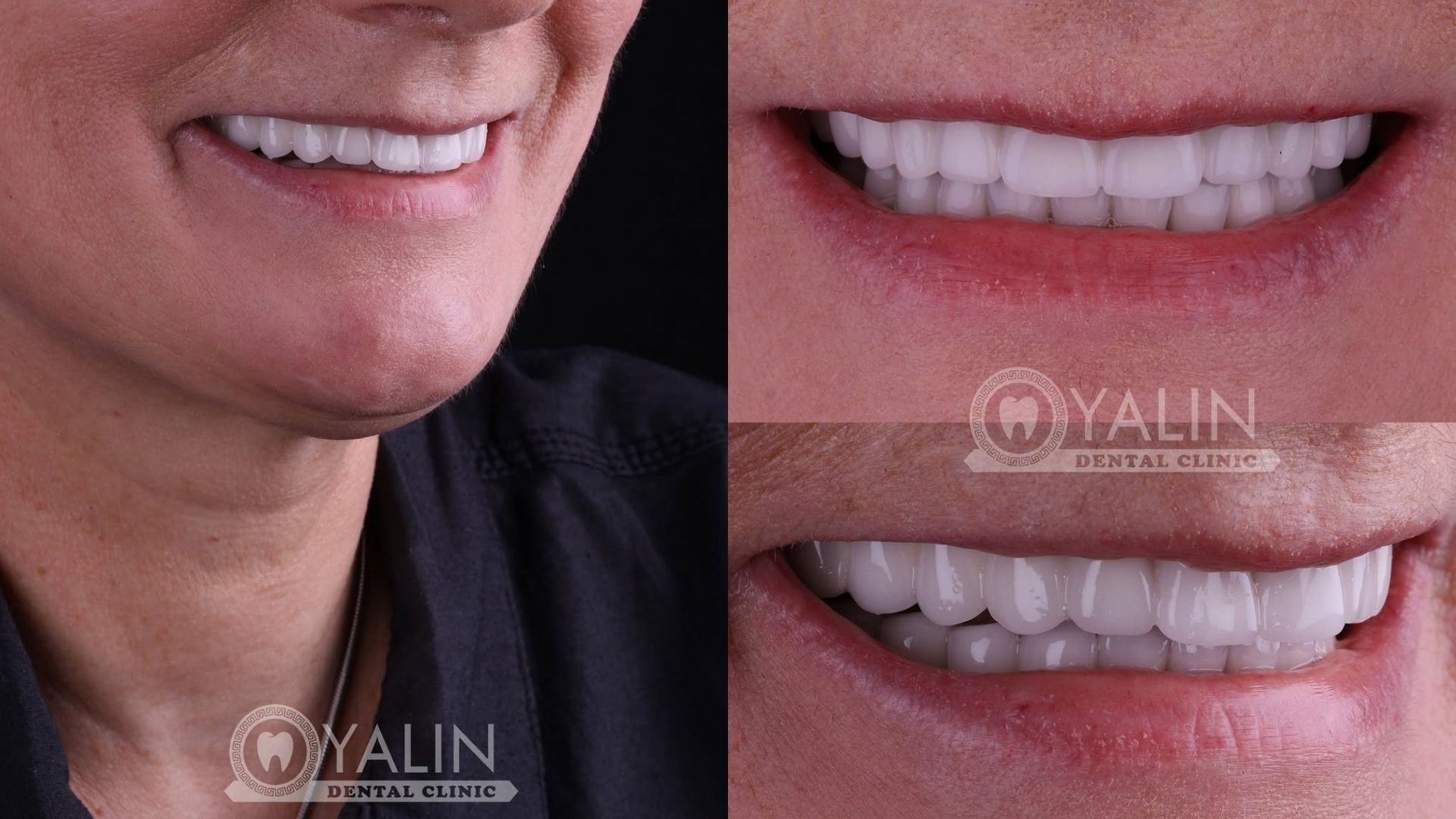
Our doctors have completed our patient’s implant treatment.
This is what getting your implants done in the right place looks like — natural, healthy, and confident. Wish and smile with us.
If you want skill, trust and real care, Yalın Dental Clinic Antalya is a solid choice.
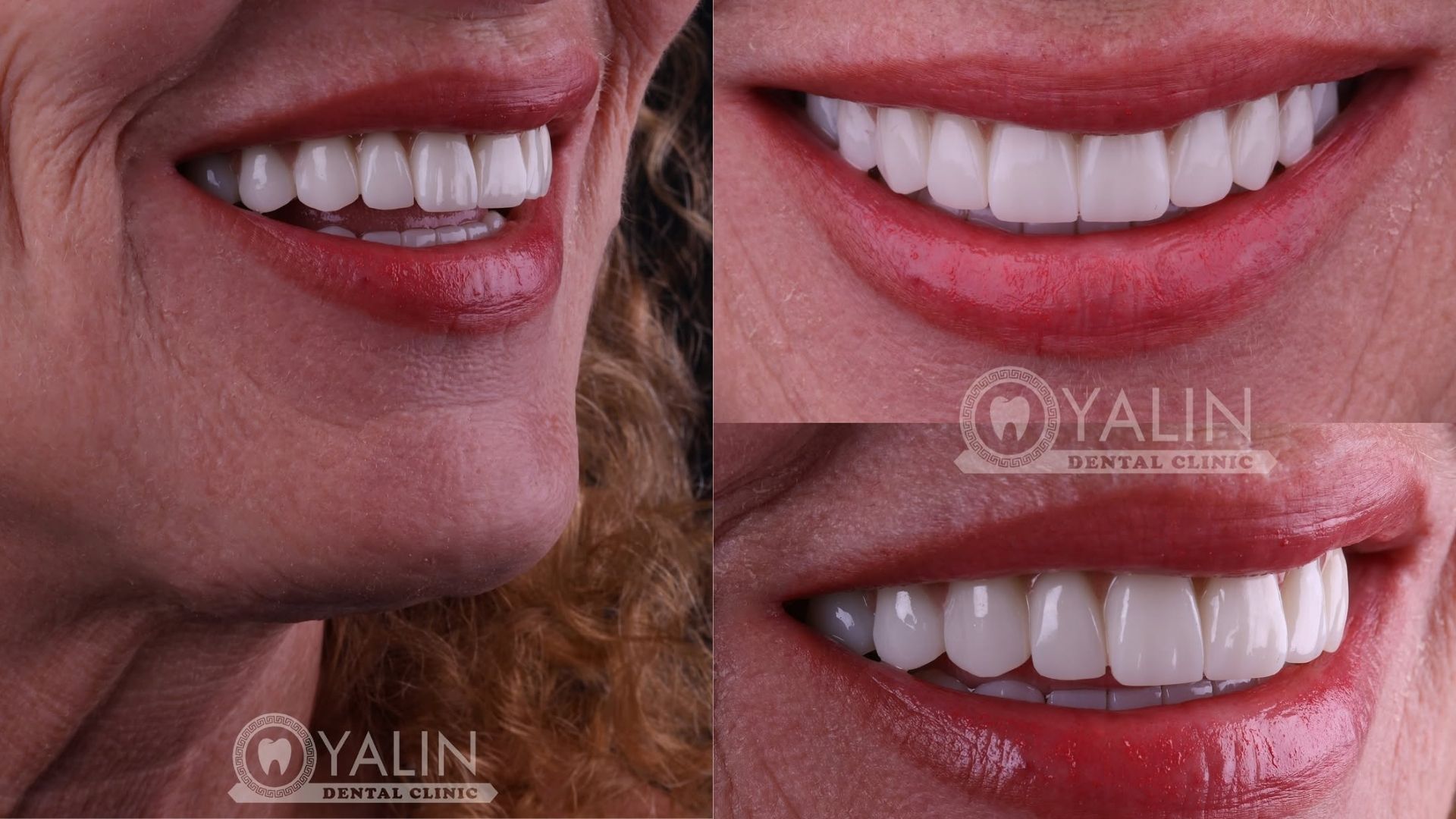
Our patient, who is now confidently smiling for the camera, has completed her implant and crown treatment with us.
We don’t just place dental implants; we plan your smile like it’s our own. Dr Hüseyin Aslantürk and the team take time to understand your needs, not just your X-rays. Every case is personal here.
We use top-quality implant brands and digital planning tools and perform every step with precision. From consultation to final teeth, you’re in good hands.
And, you’re in Antalya. You get a new smile and the Mediterranean in one trip.
No stress. No hidden costs. No long waits.
Need details or have questions?
Frequently Asked Questions
What happens to dental implants after 20 years?
Good question. Here’s how I explain it to my own patients.
If the implant was placed right and you’ve looked after it (good hygiene, regular check-ups, etc.) They go to their functions even 15-20 years later. The titanium part in the bone? That usually doesn’t go anywhere. It’s strong stuff!
But the crown on top? It is a different story. After all those years of chewing, biting, and maybe a few popcorn kernels too many, it might chip, loosen or just wear down. That part might need replacing.
Your gums are also important. They can also recede a bit over time. Nothing dramatic, but it can change how the tooth looks or fits.
Finally? Like anything in your mouth, they need a little attention now and then. Keep up with care, and they’ll stick around.
Will a dental implant last a lifetime?
Yes, it can last a lifetime, especially the titanium part placed in the bone.
But the crown on top may need to be replaced after 20 years, depending on wear and care.
How many times can a dental implant be replaced?
It depends! We can’t just keep doing it over and over like changing batteries.
Every time we remove an implant, a bit of bone is lost. If that bone gets too thin, we may have to rebuild it with grafting before trying again.
So how many times? Technically more than once, but each time depends on how healthy the area is and why the last one failed. Infection, bone loss, bad bite habits – all of that matters.
How do I know if my implant is failing?
Pain that wasn’t there before? That’s a red flag. Normally you should not feel pain after the procedure.
If the area is swollen, the gum looks irritated, or there’s bleeding when you brush, it means infection.
Another sign? Loose implants. This happens if the bone isn’t holding it tight anymore.
Sometimes patients also say the bite feels different, like the tooth is sitting higher or moving slightly. That’s your jaw telling you something’s changed.
Are dental implants right for you?
If you’re missing a tooth, they might be a great fit. But a few things have to line up first.
Your gums need to be healthy, and your jawbone has to be strong enough to hold the implant in place. If the bone’s too thin, we might talk about grafting before we go ahead.
Also, you need to be in generally good health. Things like uncontrolled diabetes or smoking can slow healing and increase the risk of failure.
Implants aren’t for everyone. But if your mouth is in good shape and you’re ready to commit to keeping it that way, they can be one of the best long-term solutions out there.
Please contact us for more information.