



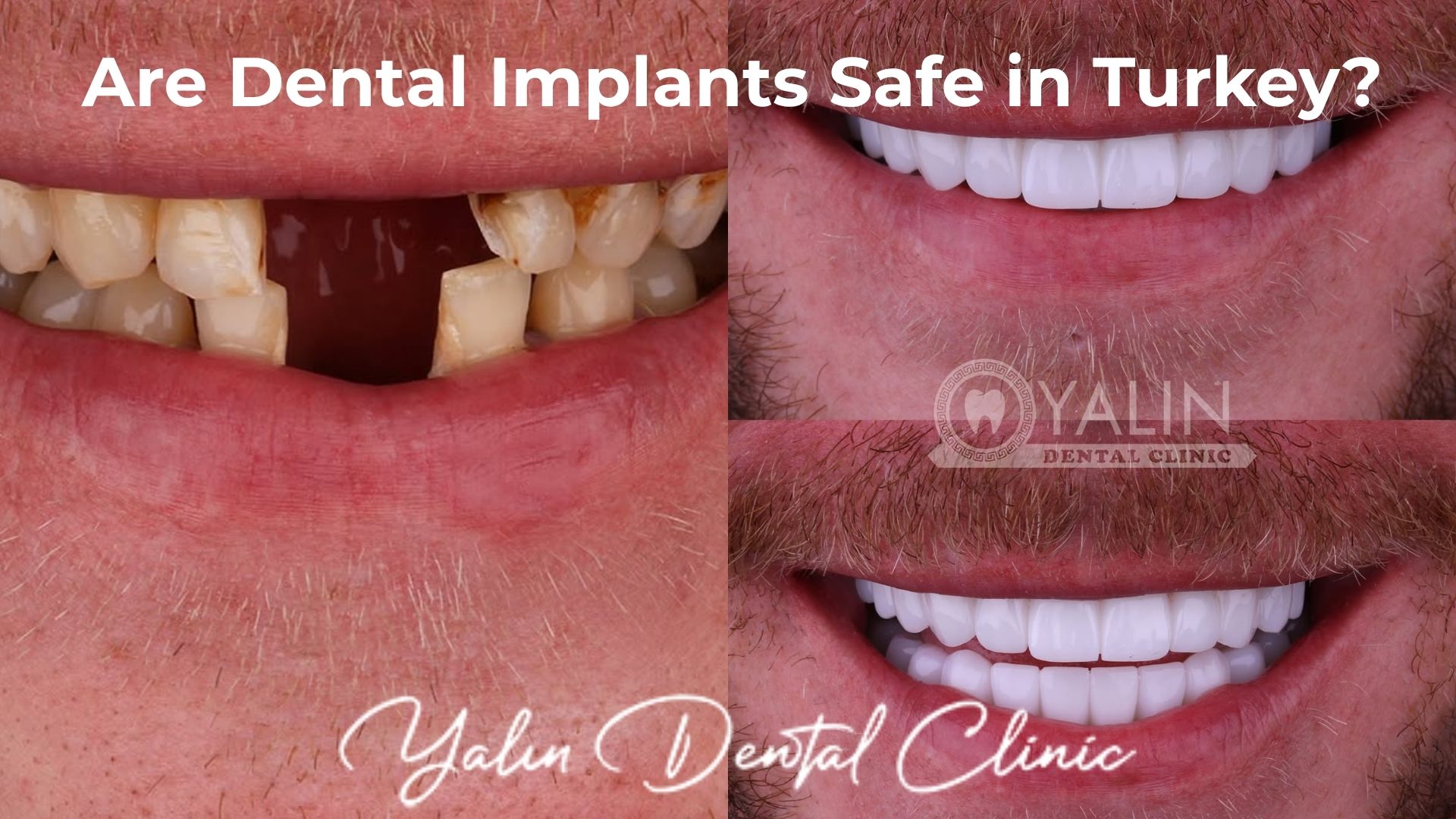
Are Dental Implants Safe in Antalya, Turkey
Yes, dental implants in Turkey can be safe when treatment is properly planned and carried out by a qualified dentist at an appropriately licensed and authorised healthcare facility.
Dental implant treatment is widely available in Turkey, but standards and experience can vary between providers. For international patients, it is particularly important to check whether the healthcare facility is authorised to provide international health tourism services under Turkish regulations.
Before booking, check the dentist's qualifications and implant experience, the healthcare facility's licence and international health tourism authorisation, the implant system being used, patient reviews and documented before-and-after cases.
Why Do Patients Choose Turkey for Dental Implants?
Many international patients consider Turkey for dental implant treatment because of competitive treatment costs, the availability of established implant systems and the large number of clinics serving international patients.
Dental implants are often more affordable than in the UK and many parts of Europe. Patients can also arrange an appointment quickly, without a long waiting list in some clinics.
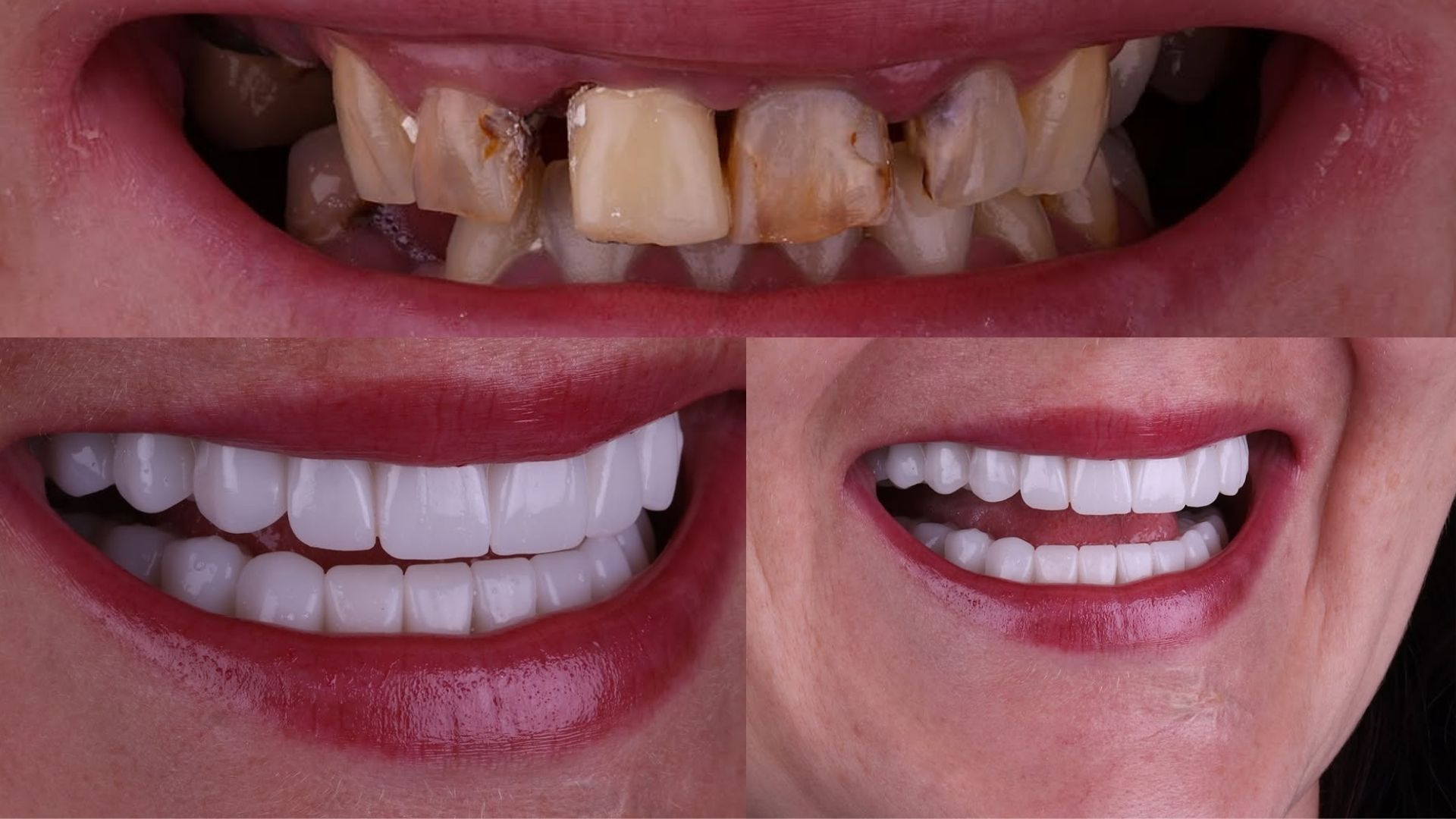
Reviews, treatment photographs and treatment packages can make planning easier. Packages may include treatment, hotel accommodation and airport transfers, allowing patients to combine treatment with a short stay in Turkey.
What Makes Dental Implant Treatment Safe in Antalya, Turkey?
- Choose an experienced implant dentist who performs this treatment regularly.
- Have a complete examination before treatment.
- Ask for the appropriate X-rays and 3D scans.
- Confirm that your bone structure is suitable.
- Ask whether you need a bone graft or sinus lift first.
- Tell your dentist about your medical history and medicines.
- Choose a licensed healthcare facility with international health tourism authorisation and ask which implant system will be used.
- Read patient reviews and check real before-and-after cases.
- Follow all aftercare instructions and attend follow-up visits.
What Should You Check Before Choosing a Dental Implant Clinic in Turkey?
Start by checking that the clinic is licensed. Then research the dentist's qualifications, experience and the number of implant cases they perform. It is helpful if the clinic regularly treats international patients because communication and treatment planning may be easier.
Read both positive and negative patient reviews, and ask to see real cases. You should also ask who will perform the surgery, which implant system will be used, what scans are required and how follow-up care will be provided after you return home.
Location is another practical point. Major destinations such as Antalya and Istanbul are easily accessible for many international patients, but the dentist's qualifications, treatment planning and healthcare facility standards should remain your first priority.
Which Dental Implant Brands Are Used in Turkey?
Depending on the clinic, implant systems may include internationally established brands such as Straumann, Nobel Biocare, Dentsply Sirona, BioHorizons, Osstem and Medentika.
Premium systems usually cost more, but the most important factors are the dentist's planning, the suitability of the system for your bone and the quality of your overall treatment plan.
What Are the Risks of Getting Dental Implants in Turkey?
As with implant surgery anywhere, possible risks include infection, swelling, pain, bleeding, poor healing, gum problems, bone loss, implant failure, sinus problems and nerve injury or altered sensation.
You can reduce these risks by choosing an experienced dentist, completing the recommended scans and medical checks, disclosing your health history and following the aftercare plan. Contact your dentist promptly if you develop severe pain, increasing swelling, fever, pus, uncontrolled bleeding or a loose implant.
Are All-on-4 and All-on-6 Dental Implants Safe in Antalya, Turkey?
All-on-4 and All-on-6 treatment can be safe when properly planned and performed by an experienced implant dentist at an appropriately licensed and authorised healthcare facility. Your suitability depends on your bone, gum health, general health and the details of your treatment plan.
How Long Should You Stay in Turkey After Dental Implant Surgery?
International patients are often advised to allow several days in Turkey after implant surgery so that initial healing can be monitored before travelling home. A stay of around 5 to 7 days may be recommended for some treatment plans, but the appropriate duration depends on the number of implants, extractions, bone grafting, sinus lifting and your individual recovery.
After straightforward dental implant placement, one published review suggests a minimum interval of 72 hours before flying, while around one week is recommended after most dental procedures. After a sinus lift, the same review suggests a minimum interval of two weeks and a longer interval of around six weeks as a general recommendation. Evidence in this area is limited, so the appropriate time to fly should always be based on the procedure performed, your recovery and your dentist's individual advice.
What Happens If Something Goes Wrong After You Return Home?
Before travelling to Turkey for dental implants, ask the clinic how complications and follow-up care are handled after you return home. Find out who you should contact, whether remote follow-up is available, what the treatment guarantee covers and whether additional treatment would require another trip to Turkey.
Keep copies of your treatment plan, implant brand and model, X-rays, scans and other relevant dental records. These documents can be useful if you need to see another dentist after returning home.
Are Dental Implants in Turkey Worth It?
They can be worth considering if you find the right clinic and dentist. Treatment may cost less than in the UK and many parts of Europe, and experienced dentists may offer a wide range of implant solutions. Compare the full treatment plan, implant brand, aftercare arrangements and total travel costs rather than choosing on price alone.
Frequently Asked Questions
How Do I Know If a Dental Clinic Is Safe in Turkey, Antalya?
- Check that the healthcare facility is licensed and authorised for international health tourism.
- Choose an experienced implant dentist.
- Ask whether the dentist regularly treats international patients.
- Read detailed patient reviews, including negative feedback.
- Look at real before-and-after photographs.
- Make sure communication is clear before you travel.
- Ask about the implant brand, scans, treatment plan and follow-up care.
How Can I Check If a Dentist in Turkey Is Qualified?
Check where the dentist studied, how long they have practised and whether implant treatment is a regular part of their work. Ask how many implant cases they perform, which systems they use and who will carry out your surgery.
A qualified dentist should explain your scans, bone condition, risks and treatment plan clearly before you agree to treatment.
What Are the Main Risks of Getting Dental Implants in Turkey?
The main risks include infection, swelling, bleeding, nerve injury, sinus problems, poor healing, gum disease, bone loss and implant failure.
What Is the Success Rate of Dental Implants?
Dental implants generally have high long-term survival rates. A systematic review of contemporary implant systems reported an estimated 10-year implant survival rate of 96.4%, although outcomes vary depending on patient health, oral hygiene, bone quality, smoking, implant location and other clinical factors. The study is available on PubMed.
Is It Safe to Fly After Getting Dental Implants?
Flying immediately after implant surgery is generally not recommended. One published review suggests a minimum interval of 72 hours after implant placement, while around one week is recommended after most dental procedures. After a sinus lift, the suggested minimum interval is two weeks, although a longer interval of around six weeks may be recommended. Evidence is limited, so always follow the individual advice of the dentist or surgeon who performed your treatment.
Sources
Turkish Official Gazette: International Health Tourism and Tourist Health Regulation
PubMed: Long-term (10-year) dental implant survival – systematic review and meta-analysis
PubMed: Dental tourism and the risk of barotrauma and barodontalgia
Please contact us for more information.